




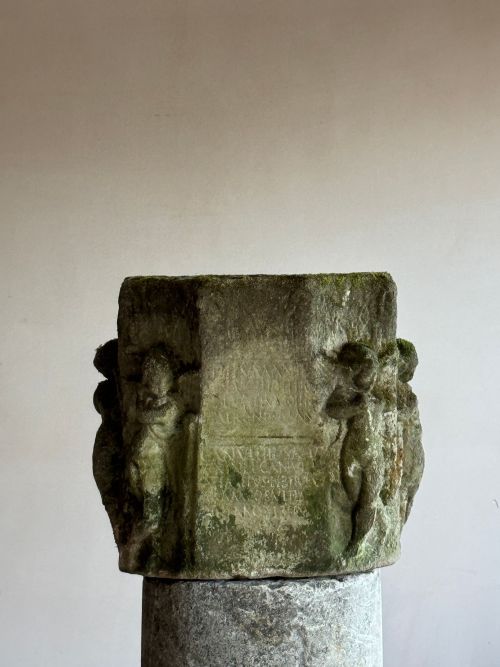
Carved Architectural Stone
Carved architectural stone brings weight and genuine age to a space, uniting centuries of masonry craft in durable materials.
Carved Architectural Stone
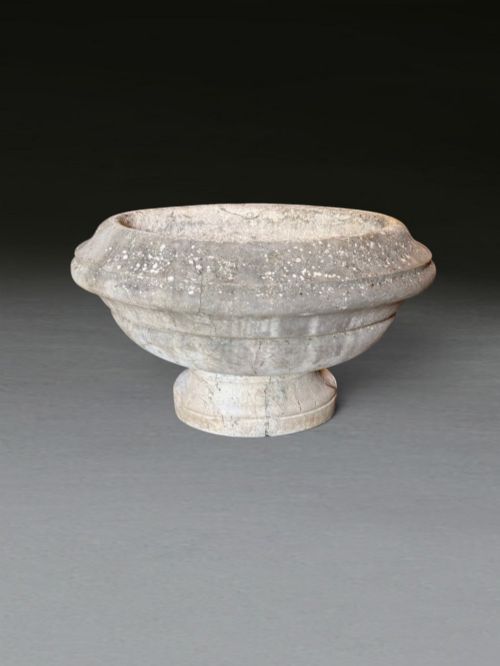
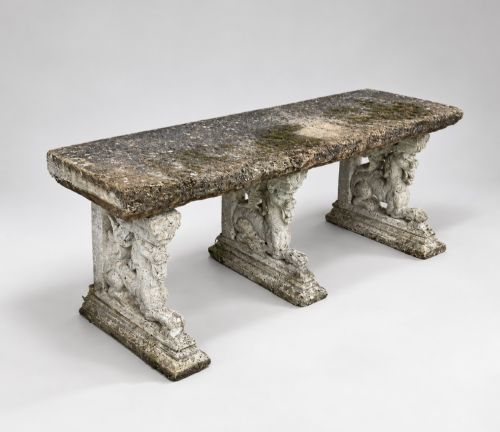
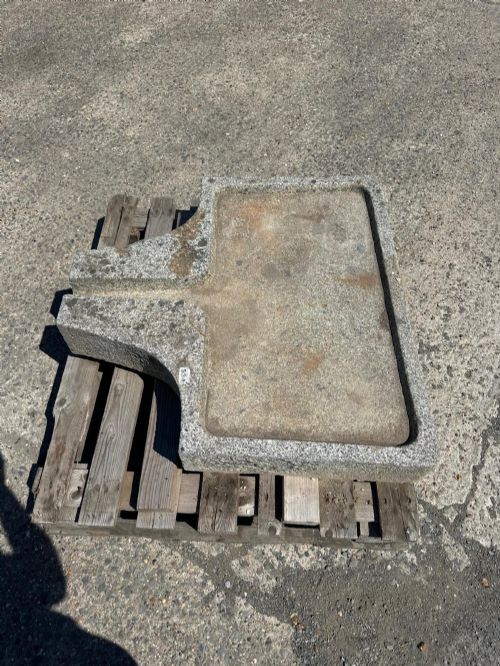
Carved architectural stone spans structural fragments, garden elements, and decorative ornaments drawn from medieval church masonry, Georgian country houses, and Victorian estates. Buyers encounter functional utilitarian items such as staddle stones and sinks alongside sculptural corbels, capitals, and relief panels.
The material record covers pre-sixteenth century medieval limestone and sandstone through to nineteenth century granite, marble, and decorative plaster. Pieces range from British York stone and Cornish granite to Italian marble and Northern Indian sandstone.
Domestic and garden settings absorb these objects easily, whether through a pair of limestone corbels mounted indoors or a granite staddle stone placed in a garden landscape. The variety includes architectural models, fire surrounds, and carved capitals derived from diverse stylistic revivals.
Materials and Working Methods
Stonemasons shaped these pieces using hard sandstones, dense limestones, granites, and marbles with hand chisels, mallets, and banker tools. Softer alternatives such as alabaster and plaster permitted finer detail work on interior models, corbels, and plaques.
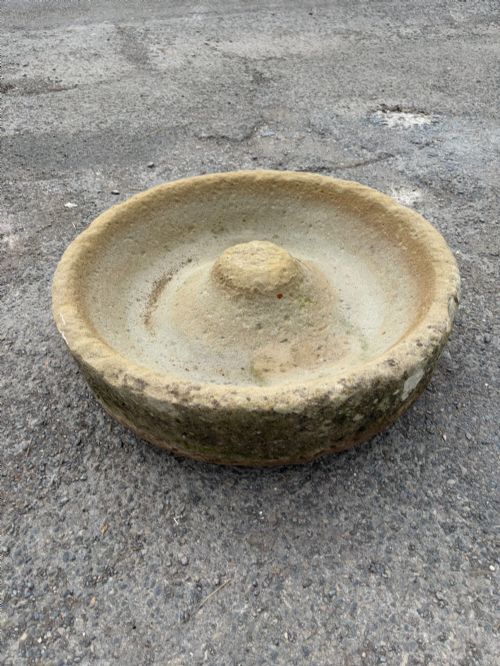
Utilitarian items like staddle stones, troughs, and press bases relied on robust regional granites and sandstones chosen for weather resistance and weight. Architectural ornaments utilised limestone and marble blocks carved in situ or in workshops to suit Gothic, Neoclassical, or vernacular designs.
Carved Architectural Stone Retail Price Guide 2026
Typical asking prices for carved architectural stone among the pieces listed under this phrase on Sellingantiques today, from the lower quarter to the upper quarter. They describe what is for sale here now, not the wider market.
The selection includes medieval limestone, eighteenth-century Cornish granite, and nineteenth-century Italian Carrara marble.
Distinctions in Quality
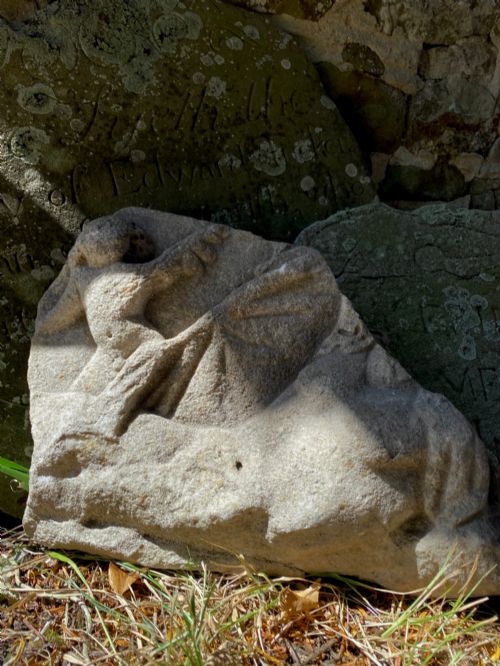
Quality rests in the crispness of the chisel work, the depth of relief, and the integrity of the surviving form against weathering. Pieces retaining sharp tool marks and secure architectural proportions stand apart from heavily eroded fragments.
Material selection dictates the longevity and visual dignity of the carving, with dense marbles and fine-grained sandstones holding detail better than porous alternatives. Provenance from notable buildings or specific regional quarries elevates the historical interest of individual fragments.
The Carved Architectural Stone Glossary
- Corbel
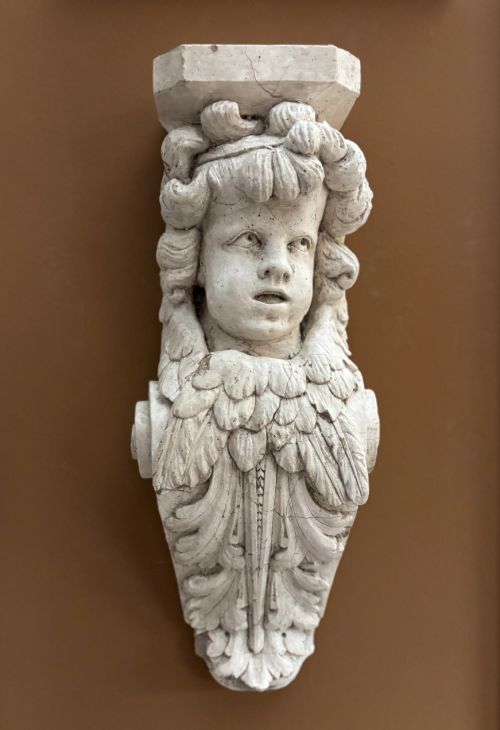
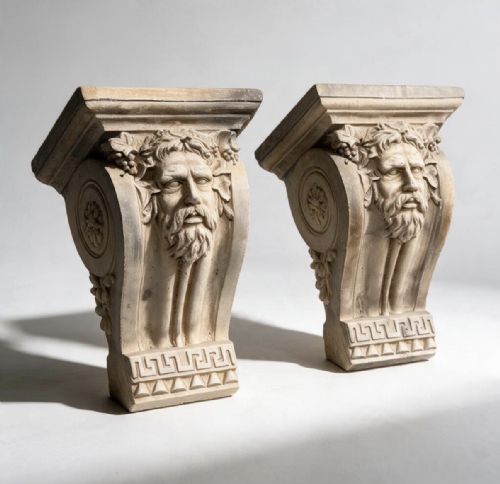
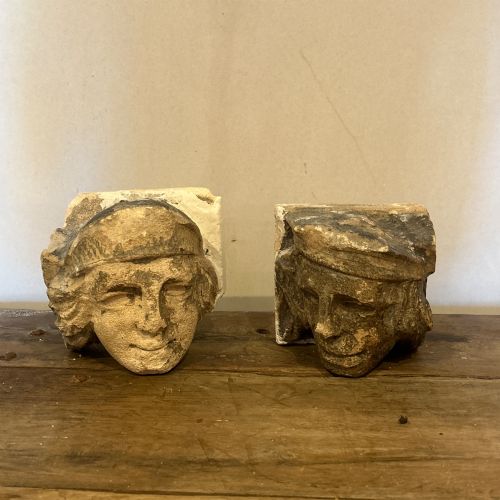
- A structural stone bracket projecting from a wall to support a weight above. Medieval and nineteenth-century examples often feature carved busts, foliage, or figures.
- Staddle stone
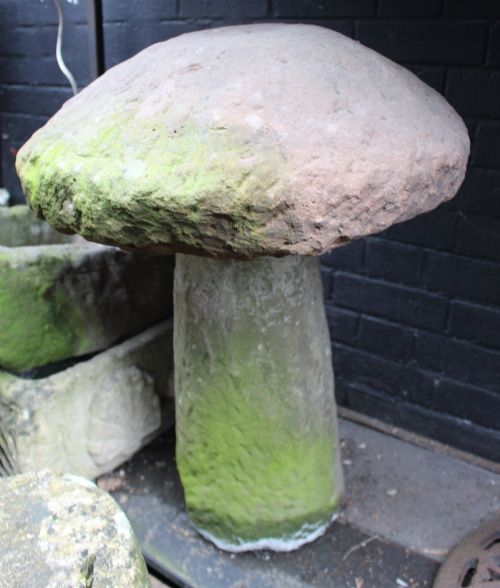
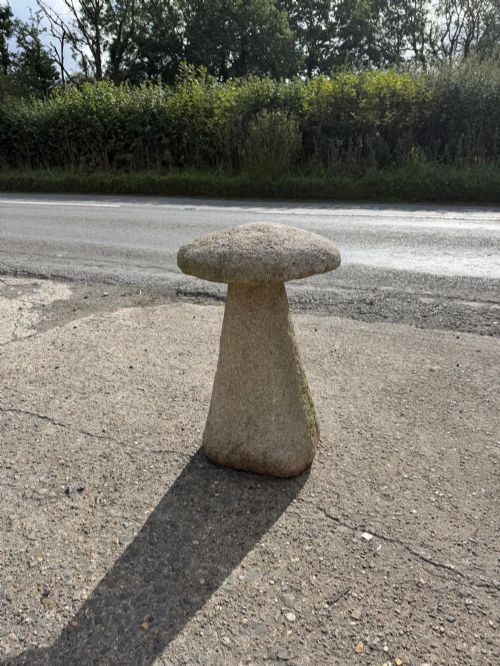
- A mushroom-shaped stone support originally used to elevate granaries and hayricks above damp ground and pests. Cornish granite and sandstone versions are common.
- Capital
- The uppermost member of a column or pilaster, often carved with Ionic scrolls, Gothic foliage, or classical motifs. They frequently appear as standalone decorative objects.
- Keystone
- The central wedge-shaped stone at the apex of an arch that locks the other stones in place. Dated red sandstone examples are typical of period masonry.
- Grand Tour
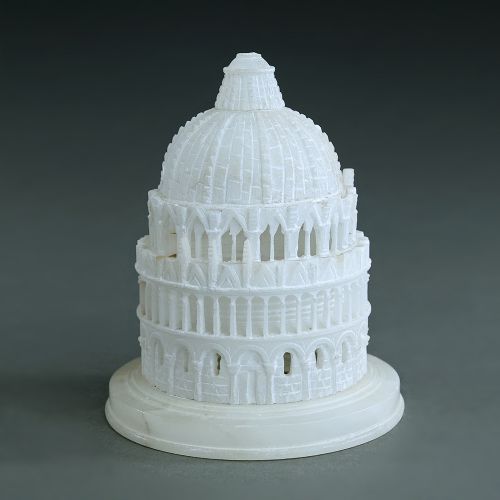
- A nineteenth-century tradition of travel through Europe by young elites who collected small-scale alabaster or marble architectural models as souvenirs.
Carved Architectural Stone: Frequently Asked Questions
What is carved architectural stone?
Carved architectural stone comprises rescued masonry elements, decorative ornaments, and utilitarian farm items shaped from natural rock over several centuries. These items include medieval corbels, Georgian fire surrounds, and Victorian finials.
Such pieces originate from dismantled buildings, churches, and gardens, offering buyers authentic historical fabric for modern interior and landscape design.
How were staddle stones used?
Staddle stones served as sturdy mushroom-shaped foundations for granaries, hayricks, and barns. Their wide caps prevented rodents from climbing into stored grain while allowing air to circulate underneath.
Today, these granite and sandstone objects function widely as garden ornaments and terrace supports.
Can these stone pieces live outdoors?
Hard stones like granite, York stone, and dense sandstones tolerate exterior placement well. They withstand weathering and often acquire natural moss and lichen over time.
Plaster, alabaster, and softer interior marbles require sheltered indoor positions to prevent frost damage and moisture degradation.
How do I identify the age of stone carvings?
Age identification relies on tool marks, stone types, and stylistic indicators. Medieval pieces display hand-chiselled surfaces and Gothic forms, whereas Victorian items often reflect Neoclassical or Gothic revival trends.
Documentation, provenance, and material weathering help narrow down the centuries of production.