

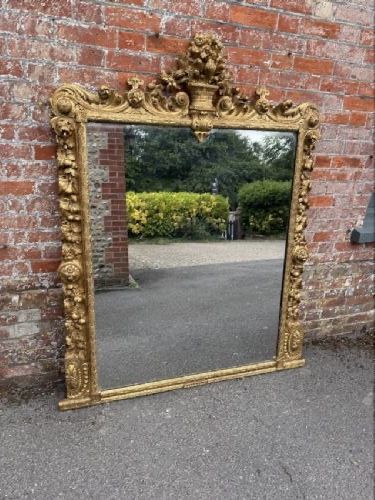
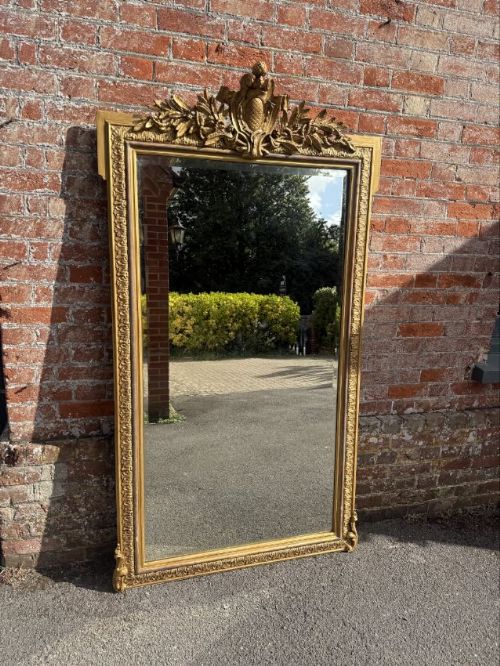
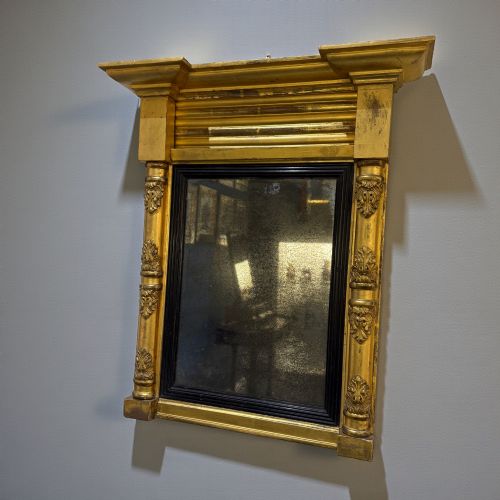
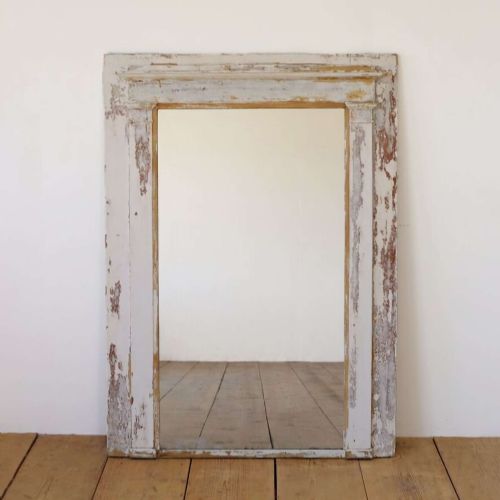
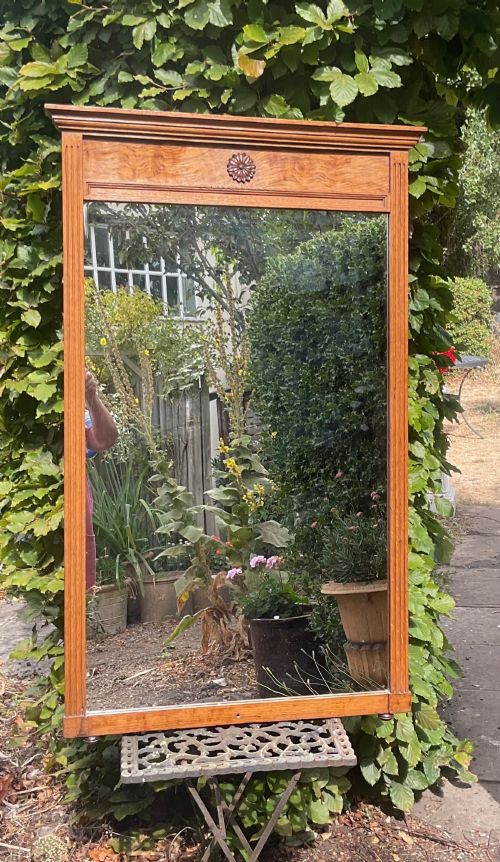
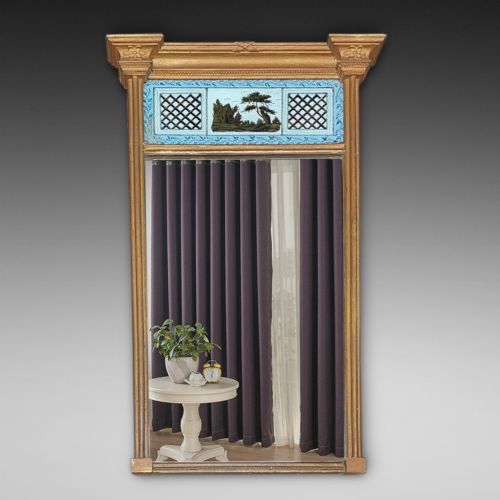
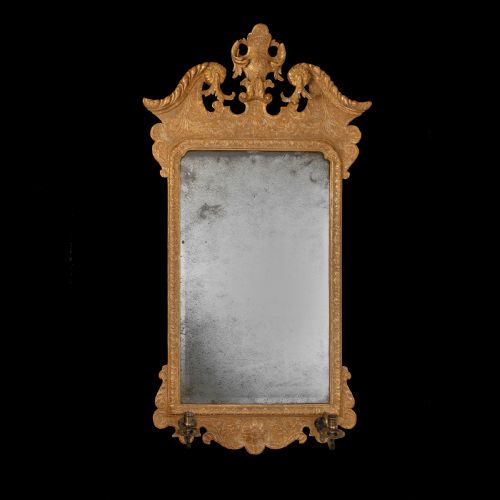
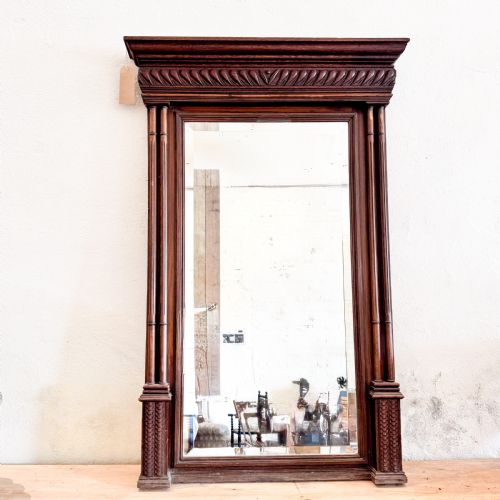
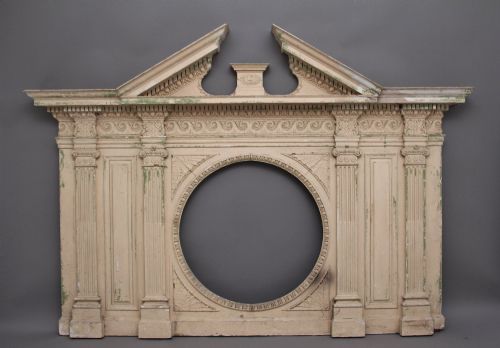
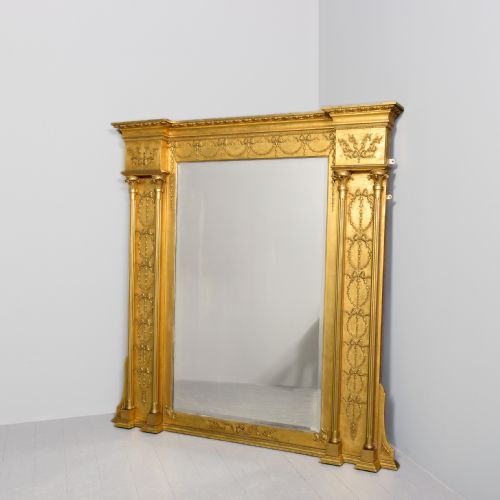


Carved Architectural Mirror
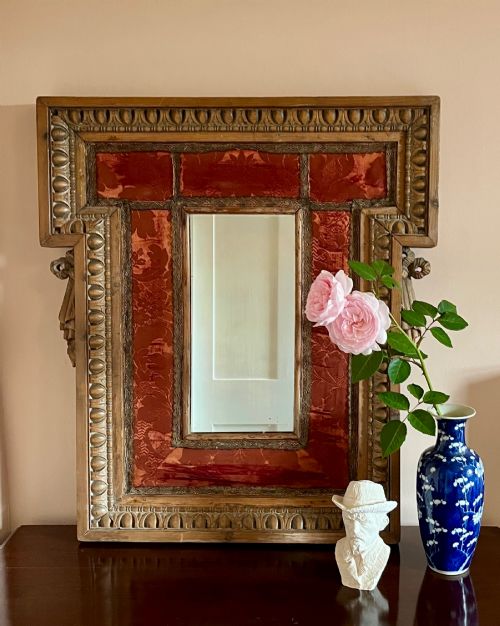
A carved architectural mirror brings scale and structural depth to a room through classical framing and substantial woodwork.
Carved Architectural Mirror
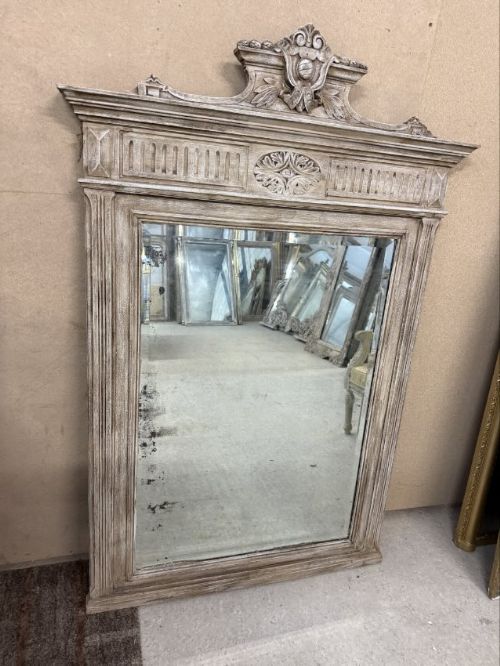
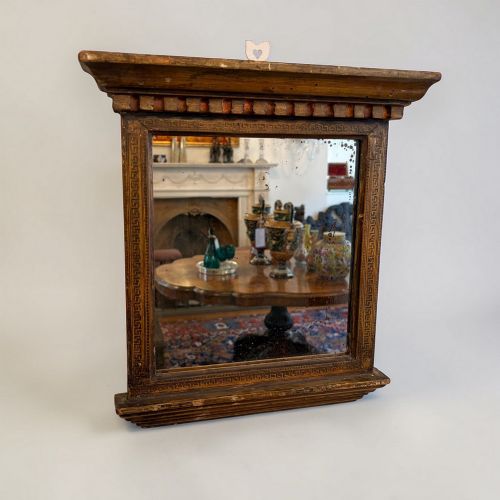
A carved architectural mirror draws on classical building designs, translating motifs from stone and timber into refined interior frames. When searching for a carved architectural mirror, buyers encounter grand overmantels, tall pier glasses, and substantial wall-hanging formats from the eighteenth and nineteenth centuries.
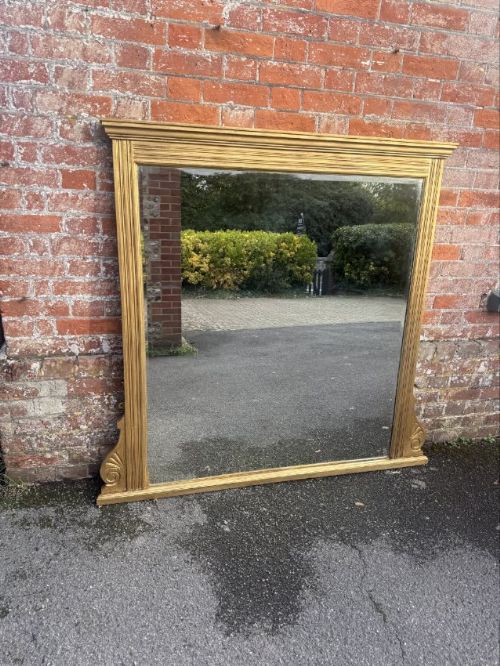
Nineteenth-century examples dominate the selections here, frequently taking the form of large overmantel mirrors designed to sit above a fireplace. These items merge functional glass with structural wooden mouldings, pilasters, and architectural cornices.
How they were made
Craftsmen built the core frames primarily from solid timbers such as oak, walnut, or pine, applying carved wood and layered gesso to create crisp relief ornamentation. Surfaces were then finished with gold leaf, parcel gilding, or paint to achieve the desired metallic or tonal depth.
Gilding techniques involved laying thin sheets of gold leaf over prepared gesso grounds on carved wooden foundations. Specialised glass panels, including verre eglomise sections, were fitted into the structural rebates of the heavier frames.
Carved Architectural Mirror Retail Price Guide 2026
Typical asking prices for carved architectural mirror among the pieces listed under this phrase on Sellingantiques today, from the lower quarter to the upper quarter. They describe what is for sale here now, not the wider market.
Listings span the Georgian, Regency, and Victorian eras, utilising oak, walnut, giltwood, and painted pine.
What varies in quality
The depth and definition of the wood carving distinguish finer examples, where crisp acanthus leaves, scrollwork, and classical mouldings show a steady hand. Shallower, softer relief work indicates a less demanding standard of execution.
The integrity of the original giltwood and gesso surfaces dictates the visual presence of the piece, with well-preserved gold leaf carrying greater visual continuity than heavily restored or repainted framing.
Nosotti's
The Carved Architectural Mirror Glossary
- Giltwood
- Wood that has been coated with gold leaf over a prepared gesso base. This finish provides a reflective, warm metallic surface common on formal mirrors.
- Gesso
- A plaster-like mixture applied to wooden frames and carved to create sharp decorative details before gilding. It allows for intricate relief work that holds fine edges.
- Overmantel mirror
- A large horizontal mirror designed specifically to hang above a mantelpiece or fireplace. These pieces often anchor the proportions of a reception room.
- Verre eglomise
- A process of cold painting and gilding on the reverse side of glass panels. It adds decorative borders or pictorial panels to the upper sections of historical mirrors.
- Parcel gilt
- A finish where parts of an object are gilded with gold leaf while other areas show exposed wood or paint. This creates a layered contrast between the metallic and natural materials.
Carved Architectural Mirror: Frequently Asked Questions
Where should an architectural mirror hang?
These pieces traditionally sit above a fireplace mantelpiece where their horizontal or vertical proportions balance the hearth below. They also function effectively on main reception room walls to reflect light and increase the apparent volume of the space.
Larger scaled examples require solid wall fixings due to the combined weight of the timber frame, gesso work, and glass plate.
How do I identify a Georgian mirror?
Georgian mirrors typically display classic architectural elements such as Palladian pediments, gilded gesso enrichments, and walnut or carved pine construction. Proportions follow strict symmetry inspired by classical architecture.
Later Victorian interpretations often adopt these earlier styles while increasing the overall scale and incorporating heavier Victorian framing techniques.
What is a pier mirror?
A pier mirror is a tall, narrow glass designed to fit the wall space, or pier, between two windows. Their vertical format maximises natural light reflection in period interiors.
They frequently feature matching consoles or sit above small tables built specifically for those architectural wall spaces.
Are the mirror plates original?
Older mirrors often retain their original silvered glass plates, which can display characteristic foxing, light oxidation, and minor surface distortion. These age marks confirm the longevity of the glass.
Replacement plates are sometimes fitted during the lifetime of a frame to maintain clear reflection while preserving the historic woodwork.