


Carved Animal Bookends
Carved animal bookends bring character to a shelf, pairing utility with charming depictions of bears, owls, and elephants.
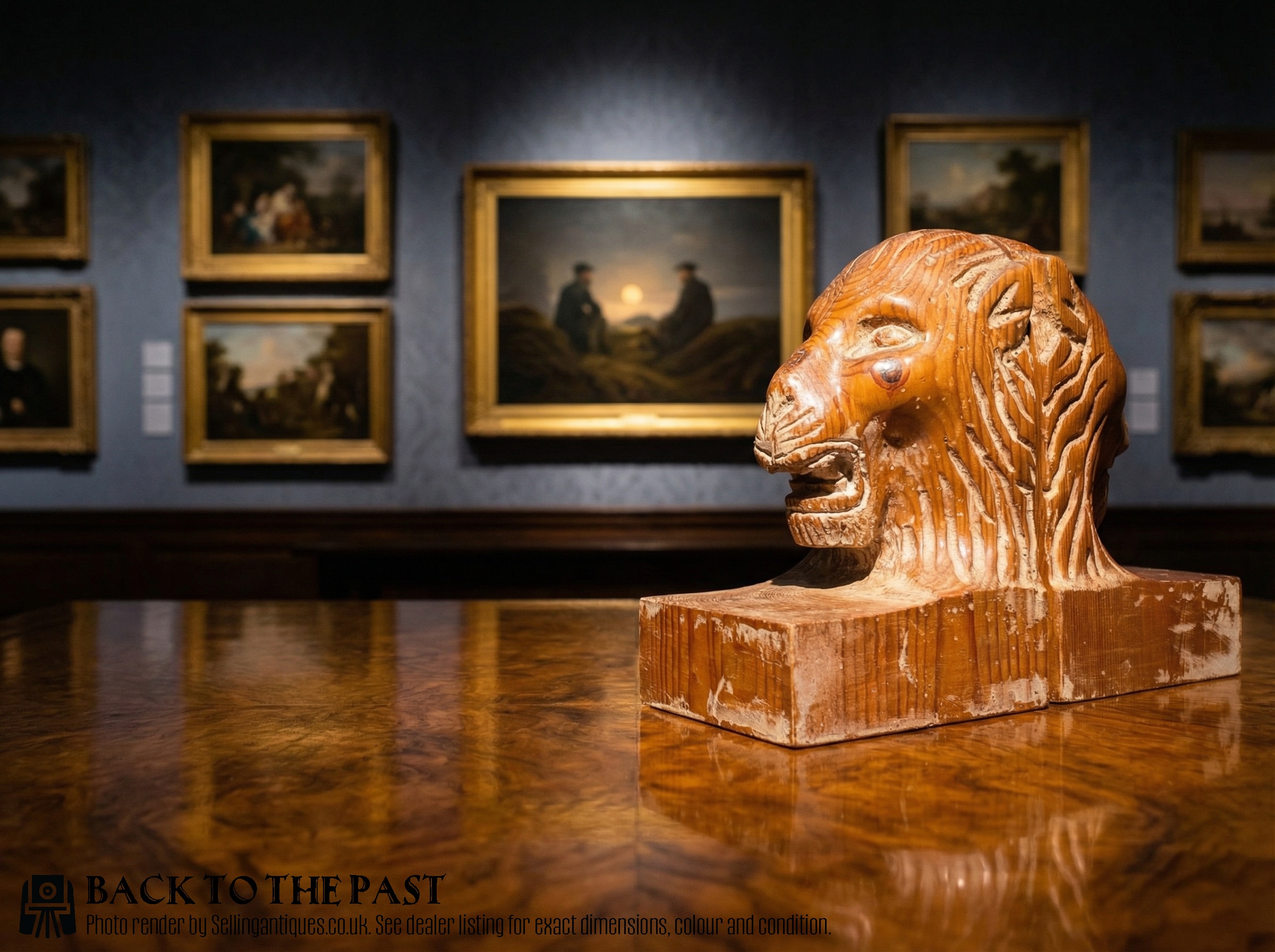
What carved animal bookends are
Carved animal bookends are sturdy desktop supports fashioned into sculptural representations of creatures, designed to keep volumes upright on shelves or tables. They emerge from periods ranging across the Victorian, Edwardian, and early twentieth-century eras, reflecting diverse regional tastes.
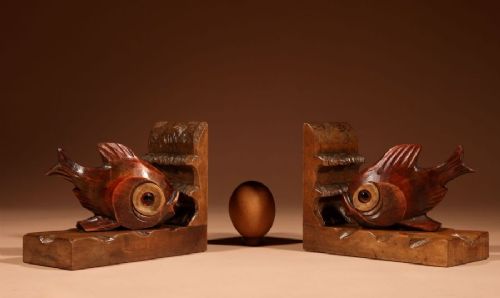
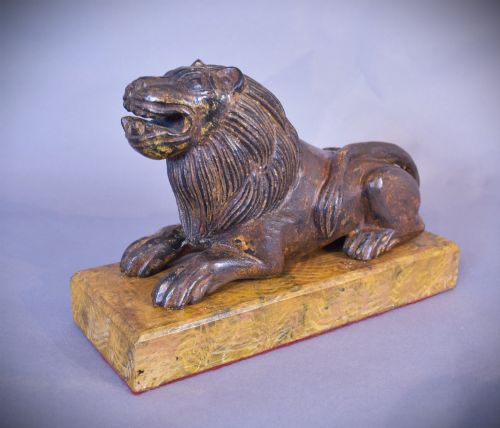
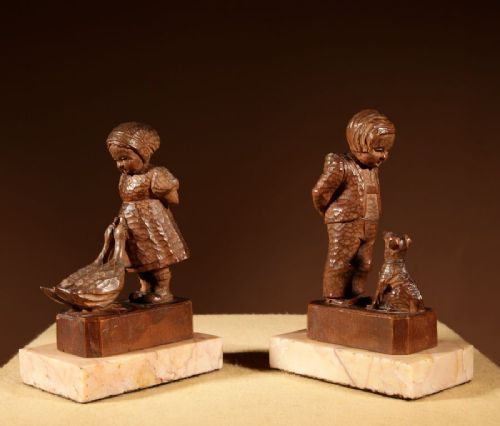
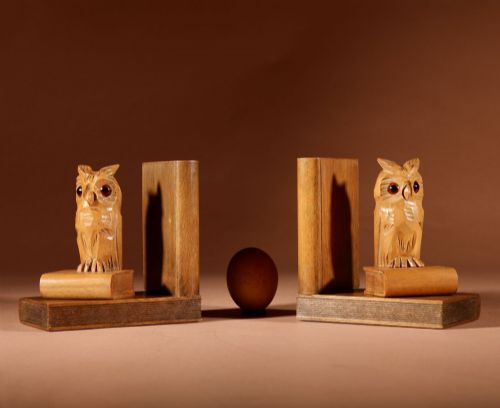
The versions most commonly met on this page showcase Black Forest craftsmanship, featuring whimsical and amusing subjects such as goldfish, owls, elephants, and bears. Other examples draw on Georgian Revival and Anglo-Indian traditions, using distinct regional timbers and styles.
Makers shaped these functional objects in pairs, ensuring balanced support for rows of books while introducing lively naturalistic forms into domestic libraries and studies.
How they were made
Craftsmen shaped these supports from various woods, utilising carved wood, linden wood, oak, pine, and coromandel wood to build the structural bases and animal figures. Certain examples also integrate glass components alongside the carved wooden elements.
Retail Price Guide 2026
Typical UK retail prices for carved animal bookends, calculated from the Sellingantiques database of over a million retail prices indexed since 2003. This retail price guide relies exclusively on Sellingantiques data; no external sources or auction records are used, so the figures do not describe the wider market.
Listings feature items spanning the Victorian and Edwardian periods up to nineteen twenty, utilising woods such as oak, pine, linden, and coromandel.
What varies in quality
Quality rests in the anatomical accuracy and expressive depth of the carving, distinguishing lively, well-proportioned figures from stiff or generic forms. Artisans who paid close attention to posture and texture produced pieces with greater visual engagement.
The choice of material also shapes the character of the piece, with dense exotic timbers like coromandel wood or finely grained linden wood offering a sharper definition than softer pines. The cohesion of the paired figures determines how successfully they anchor a display.
The Carved Animal Bookends Glossary
- Black Forest
- A regional style of wood carving originating in central Europe, known for naturalistic animals and whimsical subjects. Pieces from this tradition often depict bears, owls, and forest creatures with expressive detail.
- Coromandel wood
- A dense, heavily figured dark timber sourced from Southeast Asia, prized for its rich grain and durability. Victorian craftsmen utilised this material for decorative novelty items and book rests.
- Georgian Revival
- An architectural and decorative style that looks back to eighteenth-century forms, adapted during later periods. This approach influenced English pine bookends with classical proportions.
- Novel
- A Victorian descriptor for items that combined everyday utility with playful or unusual design. These objects brought decorative amusement to domestic interiors.
Frequently Asked Questions
What periods do these bookends date from?
The available pieces span the Victorian, Edwardian, and early twentieth-century eras, specifically encompassing dates around nineteen ten and nineteen twenty.
Craftsmen working during these periods produced distinct regional interpretations, ranging from European forest carvings to English revival styles and Indian woodwork.
What types of animals are usually depicted?
Common subjects include bears, owls, elephants, and goldfish, often carved in pairs with amusing or naturalistic postures.
These whimsical forms reflect the popular taste for characterful decorative objects in studies and libraries during the late nineteenth and early twentieth centuries.
Which woods were used to make them?
Artisans utilised a variety of timbers including linden wood, oak, pine, and coromandel wood, alongside carved wood generally.
Some examples also incorporate glass elements to complement the wooden animal figures and support structures.