



Car Bonnet Ornament
A car bonnet ornament is a sculptural mascot mounted to a vehicle, offering collectors a striking piece of period motoring history.
Car Bonnet Ornament
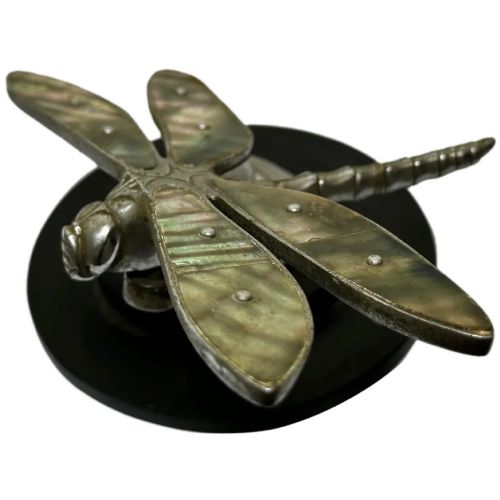
A car bonnet ornament takes the form of a sculptural car mascot or grille mascot, frequently styled as animal figures, human subjects, and patriotic motifs. These objects sit at the intersection of sculpture and automotive history, capturing the spirit of travel from the early twentieth century.
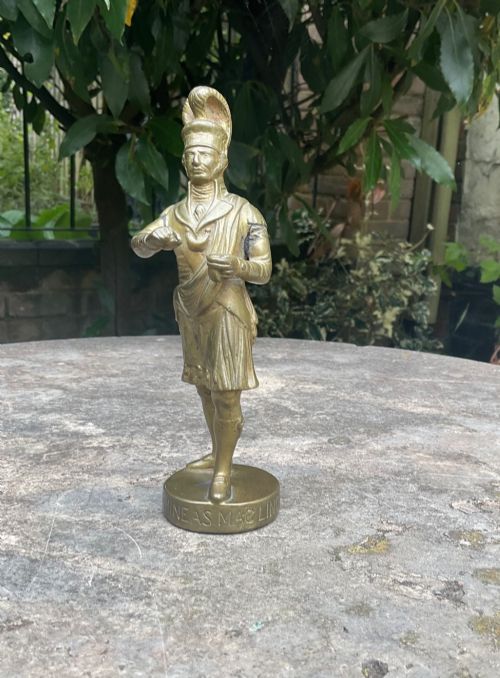
The versions most commonly met on this page span the Edwardian period through to the 1940s, with a strong representation of Art Deco design. Makers utilised various sculptural forms, ranging from abstract racing greyhounds to detailed figural subjects like nude women and historical figures.
Beyond exterior automotive display, certain forms bridge the gap between vehicle and interior decoration by doubling as desk accessories and paperweights. Collectors will find both abstract animal studies and figural representations reflecting the aesthetic of their specific decade of production.
Materials and methods of production
Makers produced these pieces using traditional metalworking techniques, frequently casting in bronze, brass, cast brass, and gilt bronze. Cold painting was also applied to specific bronze figures to add distinct surface detail and colour.
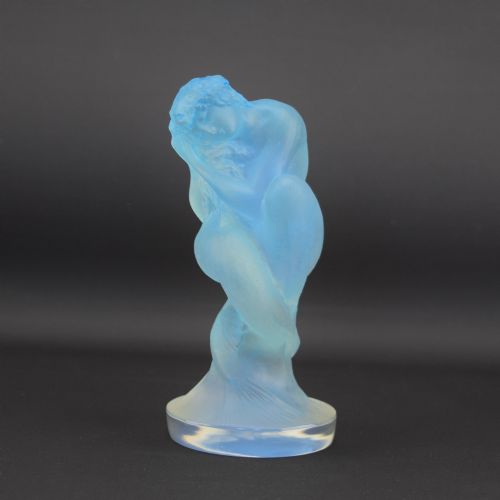
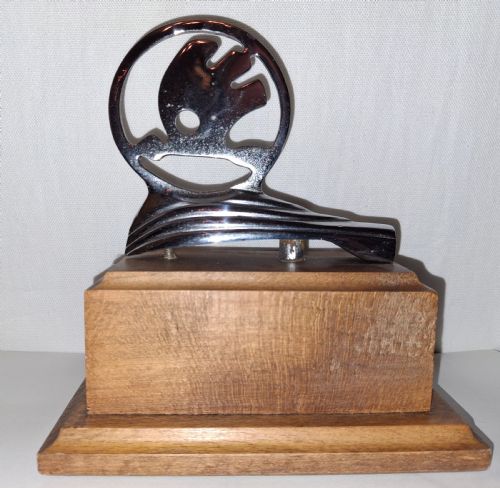
Moulded glass served as a key material, particularly seen in opalescent glass creations that caught and diffused light effectively on a vehicle. Chrome plated metal and solid chrome provided a durable, reflective finish suited to the demands of motoring aesthetics.
Car Bonnet Ornament Retail Price Guide 2026
Typical asking prices for car bonnet ornament among the pieces listed under this phrase on Sellingantiques today, from the lower quarter to the upper quarter. They describe what is for sale here now, not the wider market.
Listings span four distinct decades, stretching from the Edwardian era through the 1940s with a strong presence of Art Deco style.
Distinctions in quality and execution
Material choice and surface treatment strongly influence the overall character of the piece, particularly where intricate cold painting or specialised opalescent glass is employed. The prestige associated with established makers and designers further separates standard decorative items from highly sought sculptural works.
Rene Lalique·Louis Lejeune·Desmo
The Car Bonnet Ornament Glossary
- Car Mascot
- A sculptural ornament mounted on the radiator cap or bonnet of a motor car. It served as both a personal expression of the owner and a distinctive brand identifier.
- Grille Mascot
- A decorative figure attached directly to the radiator grille rather than the top of the bonnet. These pieces were engineered to mount securely onto vertical or horizontal slats.
- Opalescent Glass
- Glass that displays a milky, semi-translucent appearance with shimmering colour variations. It was utilised by master glassmakers to create luminous, light-catching mascots.
- Cold Painted Bronze
- A bronze sculpture decorated with non-fired paint applied after the casting process. This technique allowed for vibrant, multi-coloured detailing on animal and figural subjects.
- Automobilia
- Collectables and artefacts connected to the history, culture, and use of motor vehicles. This category encompasses everything from radiator ornaments to vintage motoring accessories.
Car Bonnet Ornament: Frequently Asked Questions
What is a car bonnet ornament?
A car bonnet ornament is a metal or glass sculpture mounted on the front of a motor vehicle. They became popular accessories for personalising automobiles during the early and mid-twentieth century.
Many of these objects crossed over into desk accessories and paperweights when removed from vehicles. Today, they are collected as standalone sculptures representing distinct historical design movements.
How were car mascots mounted?
Mascots were typically threaded or bolted directly onto the radiator cap of the vehicle. This allowed drivers to easily display their chosen emblem at the front of the car.
Some variations were engineered specifically to attach to the radiator grille bars. Secure mounting was essential to withstand the vibrations and wind resistance encountered during travel.
What materials are most common?
Bronze, brass, and chrome plated metal form the majority of the metal pieces found in this category. Makers also utilised cast brass and gilt bronze to achieve different visual weights and finishes.
Glass represents another prominent material, particularly opalescent glass used by specialist designers. Wood occasionally appears as a base or supporting element for these sculptural items.
How do I identify an Art Deco mascot?
Art Deco pieces typically feature streamlined forms, stylised geometry, and dynamic subjects like racing greyhounds and stylised human figures. The designs emphasise speed, modernity, and clean aerodynamic lines.
Materials from this era often include chrome and opalescent glass alongside traditional bronze. The overall aesthetic rejects Victorian clutter in favour of bold, simplified silhouettes.