



Capstan Inkwell
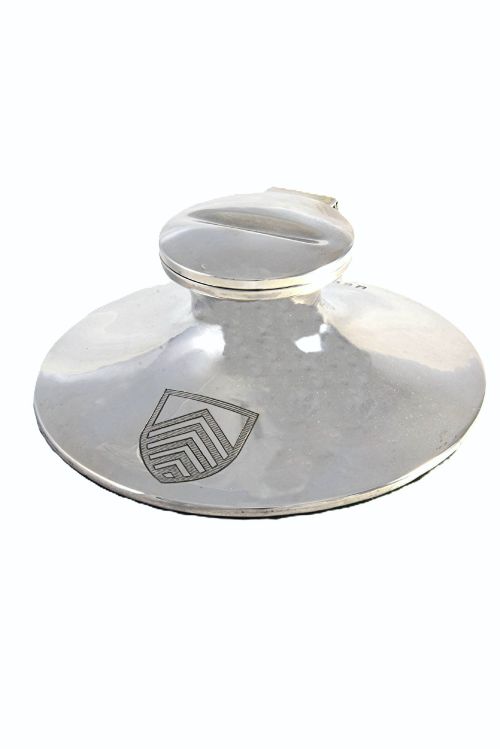
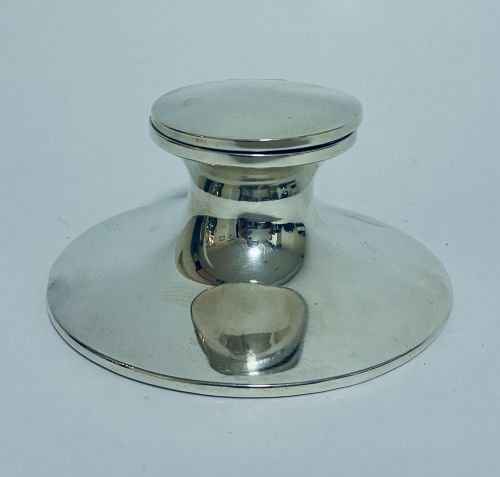
These capstan inkwells are classic desk accessories modelled after naval deck fittings, prized for their stable broad bases and traditional charm.
Capstan Inkwell
Most examples encountered on this page date from the Edwardian period and the early twentieth century, alongside earlier Georgian variants. These pieces serve as functional stationery items that double as decorative desk ornaments.
How they were made
Silversmiths constructed these pieces primarily from sterling silver, often incorporating weighted interiors to provide the necessary balance for the wide base. Workshops utilised materials such as glass for internal liners, alongside pewter in alternative maritime designs.
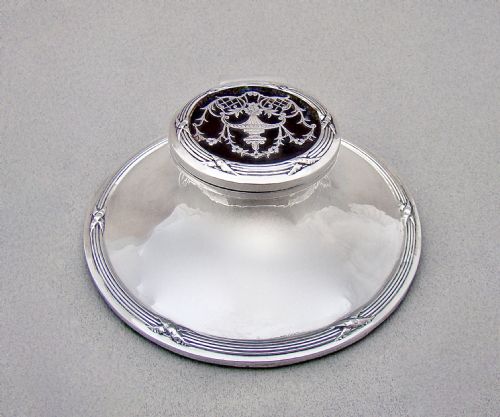
Detailing often included decorative elements like tortoiseshell inserts, guilloche enamel floral medallions, and occasionally integrated pocket watches or clocks set into the lid.
Capstan Inkwell Retail Price Guide 2026
Typical asking prices for capstan inkwell among the pieces listed under this phrase on Sellingantiques today, from the lower quarter to the upper quarter. They describe what is for sale here now, not the wider market.
Some nautical-minded writers clearly needed to know the time at sea, as certain inkwells cleverly hide pocket watches right in the lid.
What varies in quality
Quality in a capstan inkwell is largely determined by the precision of the form and the integrity of the materials employed. Pieces featuring decorative enhancements like intricate guilloche enamel or tortoiseshell panels demonstrate superior craftsmanship compared to plain silver or pewter versions.
The presence of hallmarks, maker marks, and integrated timepieces or fitted glass liners also distinguishes standard desk accessories from finer collector pieces.
Henry Matthews
The Capstan Inkwell Glossary
- Capstan inkwell
- A desk inkwell designed with a wide, tapered base resembling a nautical capstan. This shape prevents the inkwell from tipping over during use.
- Guilloche enamel
- A decorative technique involving precise engine-turned patterns beneath a translucent enamel layer. It frequently appears on Edwardian silver lids.
- Sterling silver
- An alloy of silver containing ninety-two point five percent pure silver and seven point five percent other metals, usually copper. It is the primary metal seen in these pieces.
- Tortoiseshell
- The shell of certain turtle species historically utilised for decorative inlay and panels on luxury boxes and desk wares. It adds a rich brown mottled pattern to silver items.
Capstan Inkwell: Frequently Asked Questions
What is a capstan inkwell?
A capstan inkwell is a desk accessory shaped like the nautical drum used on ships to haul ropes. Its wide base keeps it stable while holding ink for writing.
Most surviving examples date from the Edwardian era and are fashioned from silver with fitted glass inserts.
How were they used?
These inkwells sat on writing desks to hold liquid ink for dip pens. The wide weighted base prevented accidental tipping when writers dipped their nibs.
Many versions also incorporated desk clocks or pocket watches into the design to keep time while writing.
How do I date a capstan inkwell?
Dating relies heavily on hallmarks stamped onto the silver, which indicate the assay office, year, and maker. Stylistic details like guilloche enamel or tortoiseshell panels also point towards the Edwardian period.
Earlier Georgian pieces tend to utilise different metals, such as pewter, alongside simpler forms.
Are glass liners original?
Fitted glass liners were essential components designed to hold the liquid ink safely inside the silver or pewter body. Finding an inkwell with its original liner intact is standard for functional pieces.
Replacements are sometimes used when the original glass has suffered damage over the decades.