
Canvas Portrait of Children
A canvas portrait of children captures youthful innocence through oil paint on stretched fabric, offering a glimpse into past eras.
Canvas Portrait of Children
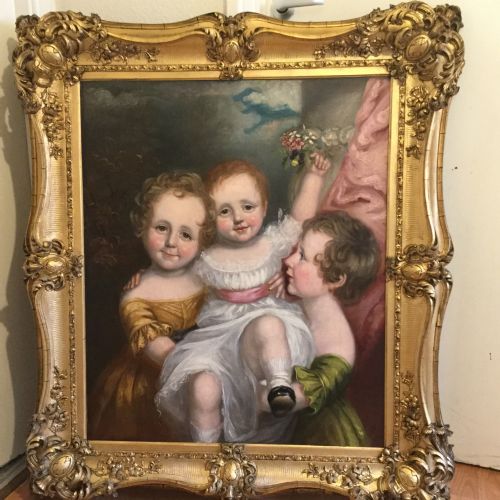
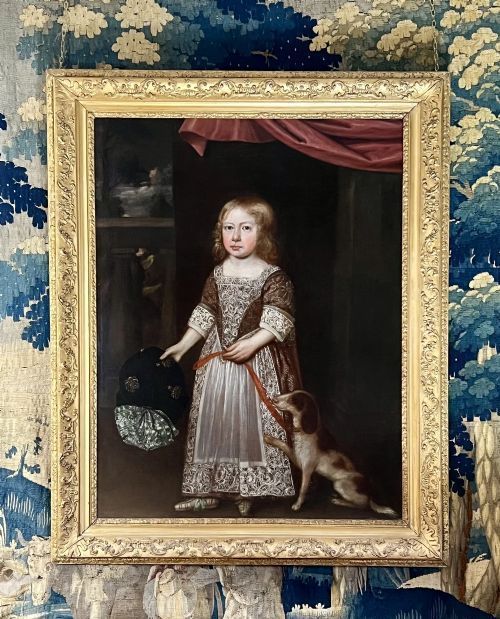
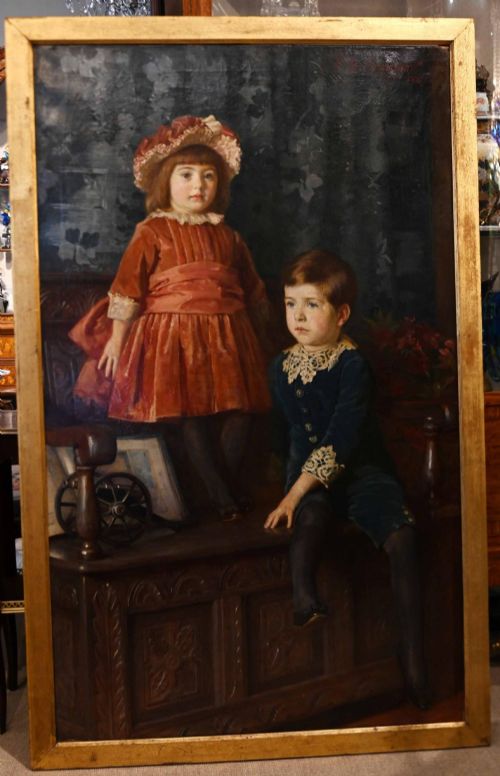
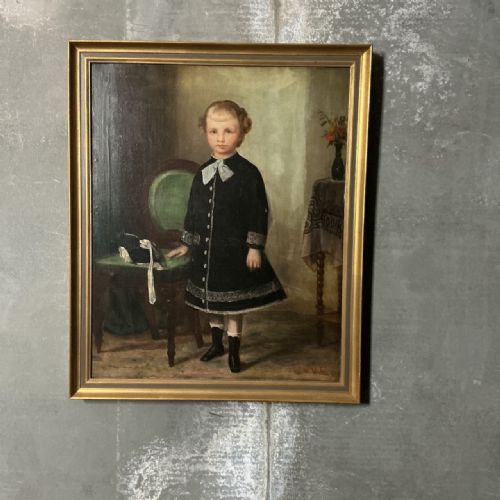
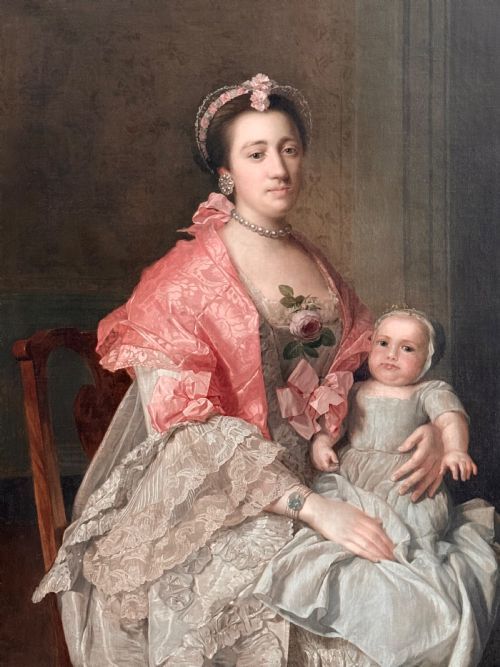
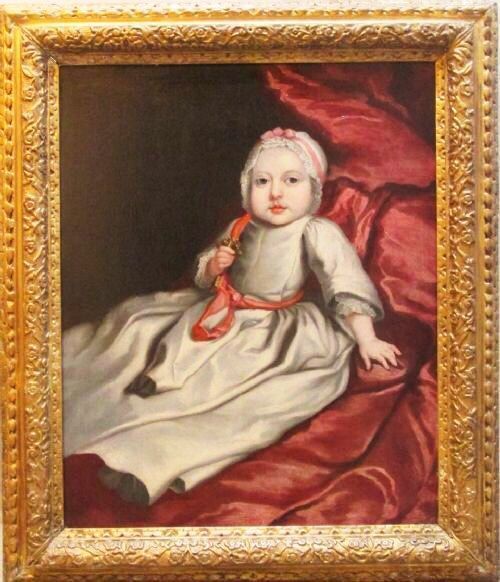
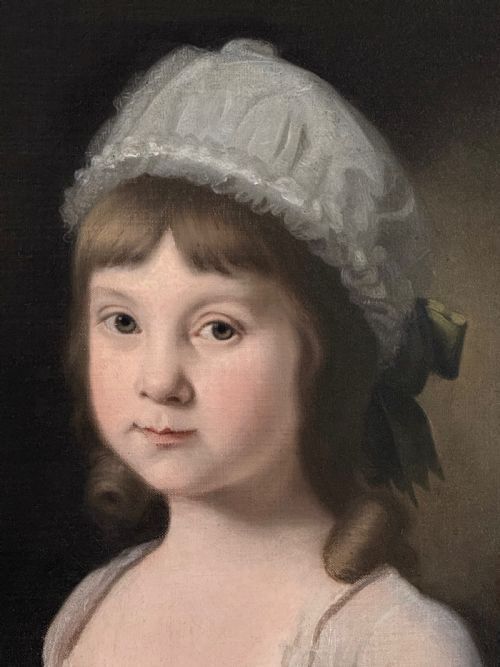
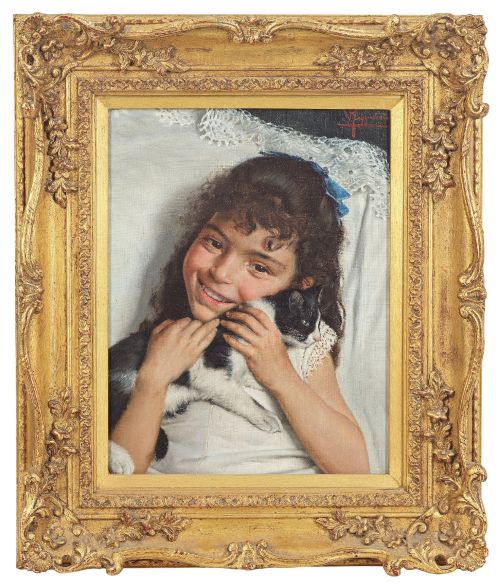
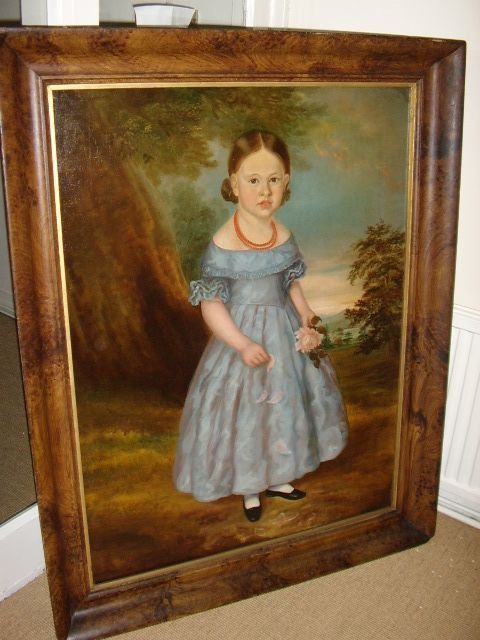
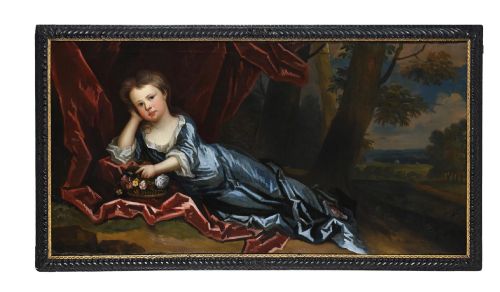
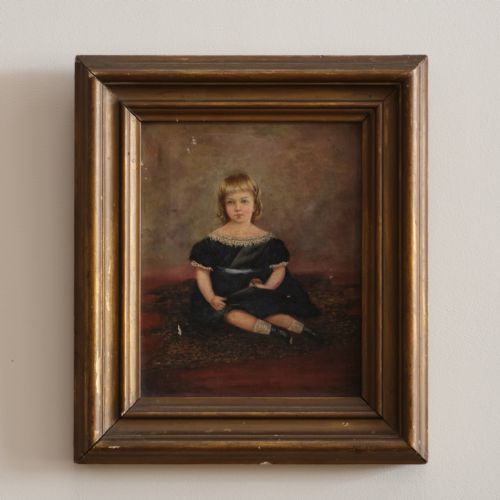
A canvas portrait of children brings historical youth into domestic spaces, ranging from grand aristocratic commissions to intimate family records. These works emerge primarily from the 16th century through to the mid-20th century, spanning periods such as the Georgian, Victorian, and Edwardian eras. Buyers frequently encounter oil paintings on canvas depicting young girls, boys, or sibling groups, often housed in period frames.
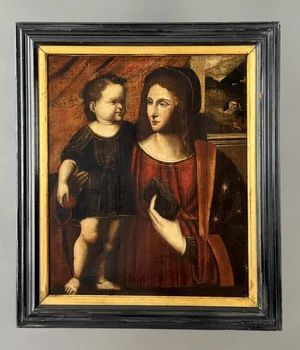
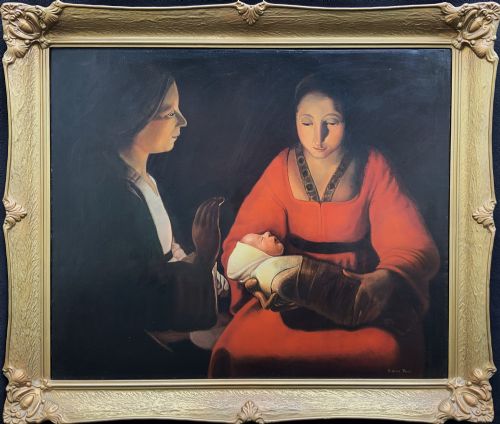
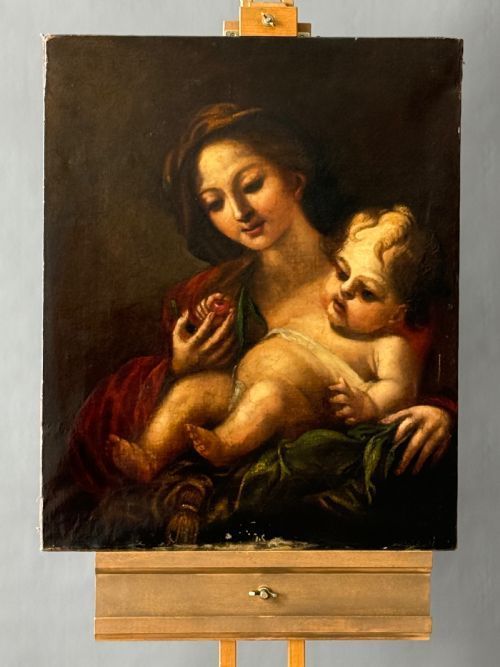
The subjects appear in various contexts, from formal posed arrangements to relaxed genre scenes involving toys, pets, or outdoor pursuits. Italian Renaissance and Baroque schools contribute religious depictions of the Virgin and Child, while later centuries favour secular portraiture of British and European youths. Provincial naïve works also appear alongside academic compositions.
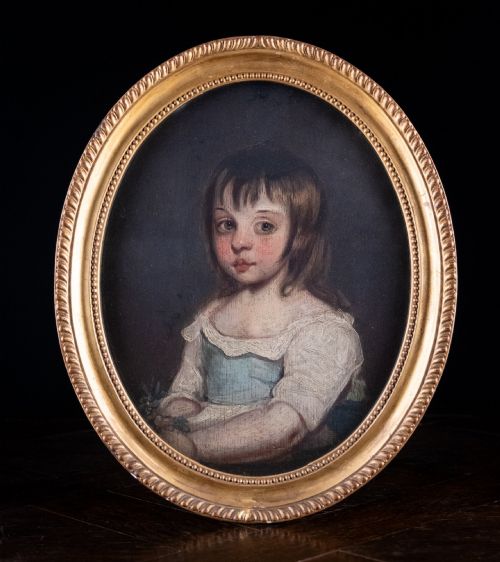
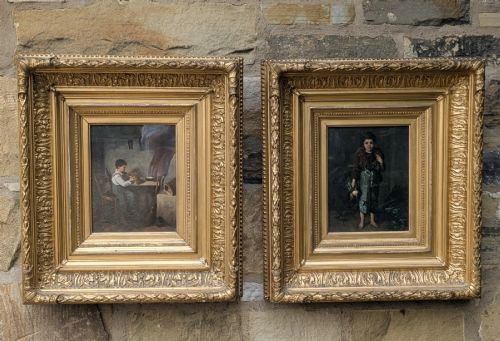
Framing plays a defining role in how these pieces present today, with original or period-matched giltwood and gesso frames frequently accompanying the canvas. Whether the subject is a royal prince or an anonymous country girl, each canvas portrait of children reflects the portraiture conventions of its specific decade.
Materials and Techniques
Artists painted these works using oil pigments applied to woven canvas supports, sometimes utilising pastel on canvas for softer tonal gradations. The preparation typically involved stretching raw canvas over a wooden stretcher frame and applying a ground layer to receive the oil colours. Over centuries, the interaction between oil paint and canvas results in natural stabilising crackleur across the surface.
Surrounding the primary artwork, makers constructed elaborate frames from wood, applying layers of gesso to build up decorative moulding before finishing the surface with gold leaf, gilt, or gilding. These frames often provide structural support and historical context that matches the painting era.
Listings feature works spanning the 16th century through to the 1950s, employing oil on canvas, gesso, and giltwood.
Markers of Quality
Quality in these portraits lies in the anatomical precision of the hands and face, the handling of drapery, and the psychological depth conveyed in the child's expression. Master works exhibit subtle blending of skin tones and convincing light sources, whereas provincial or naïve examples rely on flat perspective and simpler line work.
The preservation of the original canvas and paint layer determines the structural integrity of the piece, distinguishing untouched surfaces from heavy overpainting. Additionally, the craftsmanship of the accompanying giltwood frame - specifically hand-carved gesso details rather than cast composition ornament - separates standard decorative works from fine art pieces.
Joshua Reynolds·Sir Thomas Lawrence·Michael Dahl·Joseph Highmore·Arthur William Devis
The Canvas Portrait of Children Glossary
- Oil on Canvas
- A painting medium where pigments are bound with drying oils and applied to a woven fabric support. This combination allows for rich colour depth and smooth blending.
- Gesso
- A paint mixture consisting of a neutral binder mixed with chalk, gypsum, or pigment, used to prepare wood and canvas surfaces. It forms the smooth base for subsequent gilding.
- Giltwood
- Wood that has been treated with gold leaf or metal leaf finishes. It provides the ornate, reflective borders typical of antique frames.
- Naïve Art
- Artwork produced by an artist lacking formal academic training, characterised by a charming disregard for strict perspective and proportion.
- Circle of
- A term used when a painting is not by the master's hand but shows the distinct influence and working methods of a known artist's studio.
Canvas Portrait of Children: Frequently Asked Questions
How do I date an antique child portrait?
Dating relies on examining the subject's clothing, hairstyle, and the construction methods of both the stretcher frame and the canvas itself. Stylistic clues from the surrounding art movement also help narrow down the decade.
Paint analysis and historical records regarding the sitter provide further confirmation, aligning the costume with known fashion trends of the period.
Why are some portraits described as after an artist?
Paintings labelled as 'after' a master are historical copies created by later artists or studio assistants to study technique or reproduce a famous composition. These works hold their own historical value as period artefacts.
Such pieces allowed patrons to own versions of celebrated gallery works before the advent of photographic reproduction.
What is the difference between oil and pastel portraits?
Oil paintings utilise pigment bound in slow-drying oil on canvas, creating a durable surface that can be cleaned and varnished over time. Pastels use dry powdered pigment pressed into sticks, resulting in a matte, chalky texture.
Pastel works on canvas require protective glass framing to prevent the delicate pigment from dusting off or smudging.
How should I care for an old canvas painting?
Keep the canvas away from direct sunlight, damp environments, and extreme temperature fluctuations that cause the wood and fabric to expand or contract. Dust the surface gently with a soft, dry brush without applying pressure.
Avoid using water or chemical cleaners on the paint layer, and consult a professional conservator if structural repairs become necessary.