
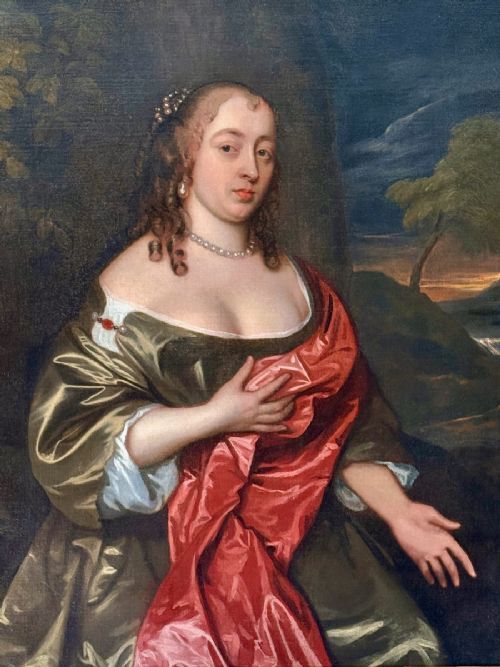
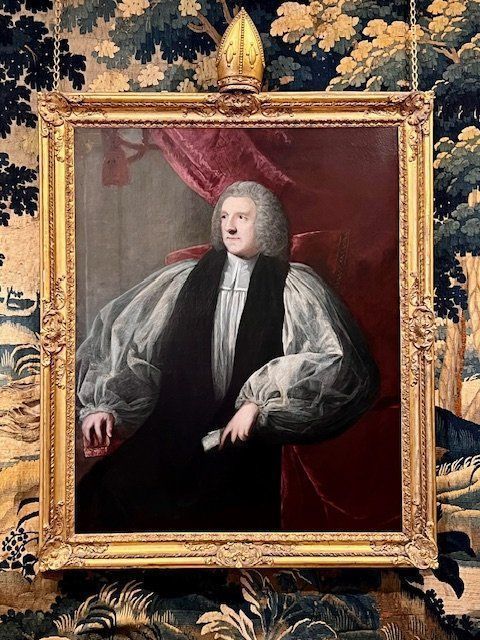
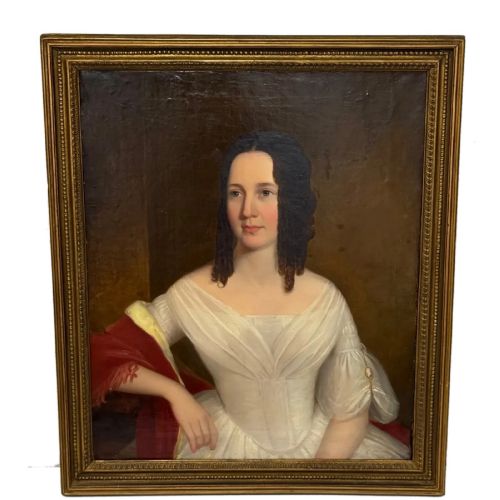
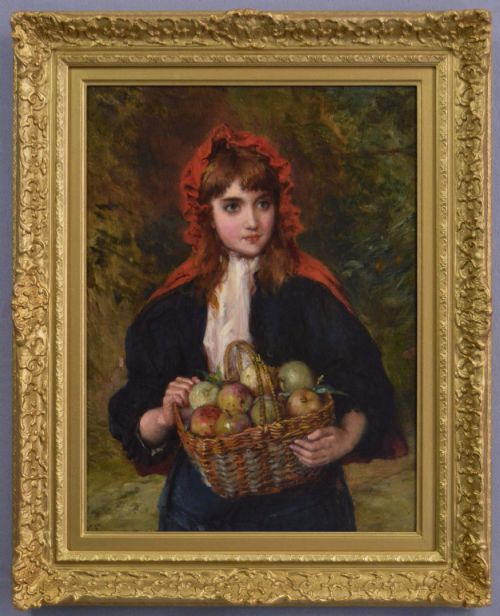
Canvas Oil Painting Portrait
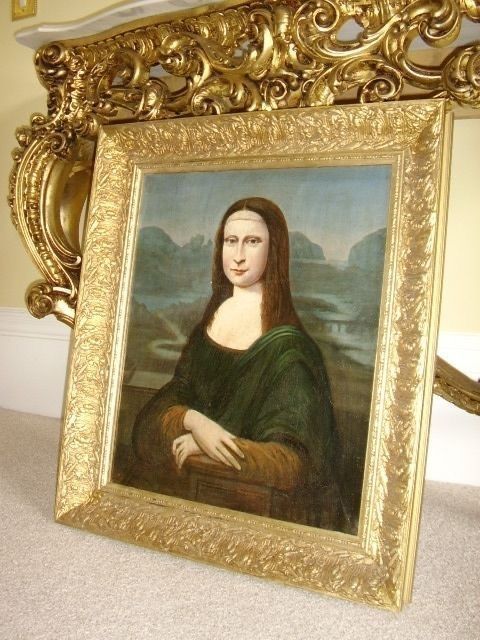
A canvas oil painting portrait brings centuries of character into a room, capturing sitters from the seventeenth century through to the mid-twentieth century.
Canvas oil painting portrait selection
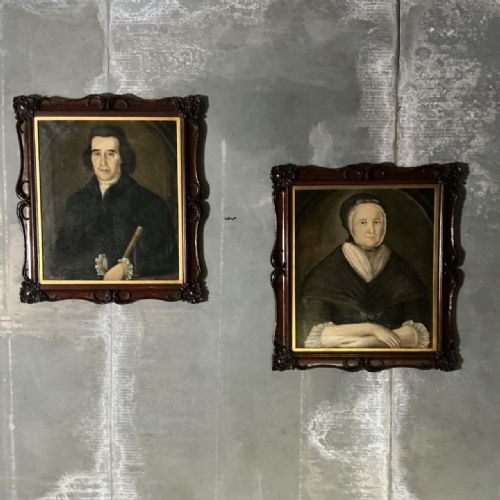
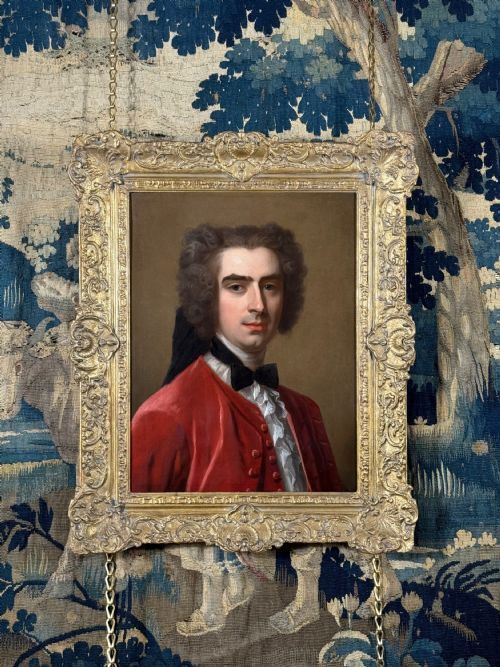
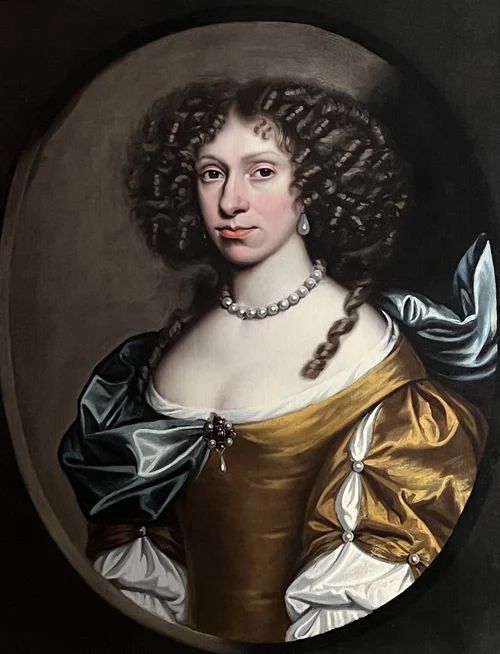
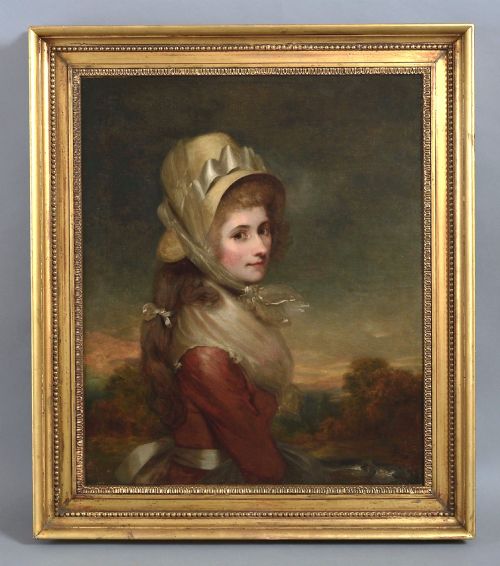
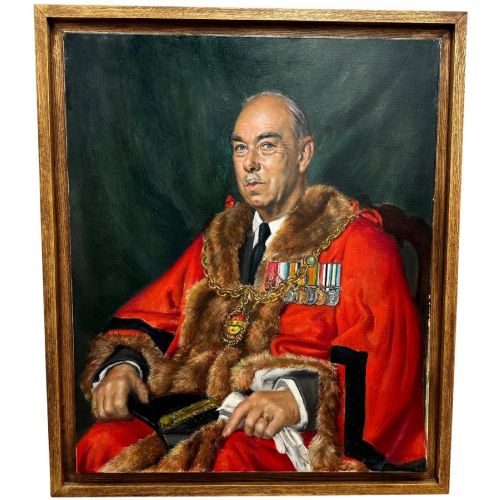
A canvas oil painting portrait records historical figures, nobility, soldiers, and everyday sitters across diverse eras. Pieces span seventeenth-century court portraiture, eighteenth-century depictions in rich garments, and nineteenth to mid-twentieth-century examples.
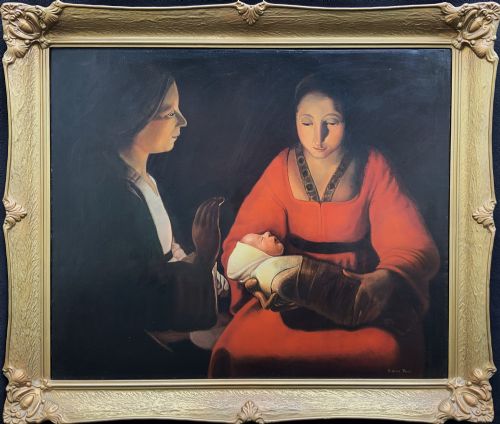
Surviving works range from formal aristocratic commissions by prominent studio circles to regional depictions of gentlemen and ladies in landscapes. The selection encompasses military subjects, religious icons, and intimate domestic studies.
Materials and construction
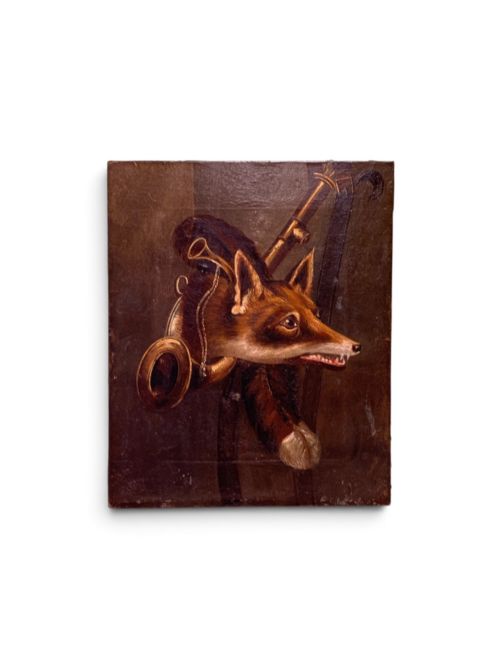
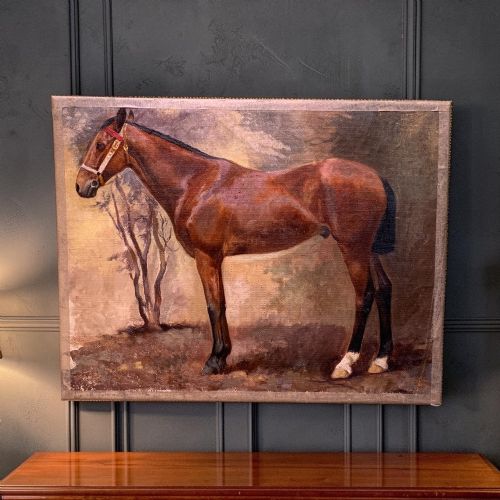
Artists painted primarily with oil paint applied directly onto a stretched canvas support. This combination allowed for gradual blending, rich depth of tone, and durable preservation over centuries.
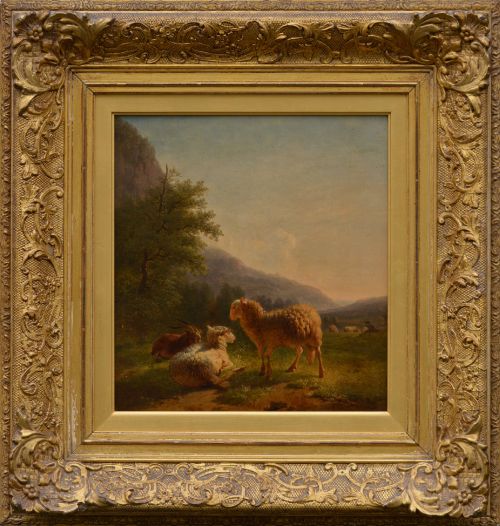
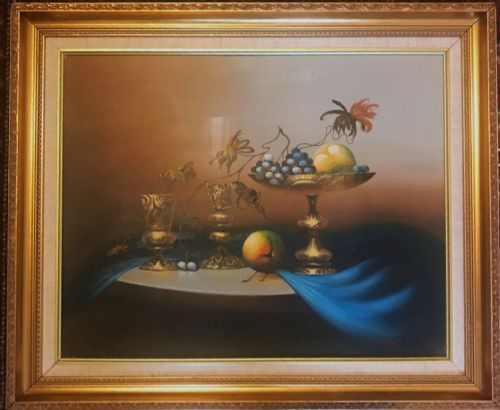
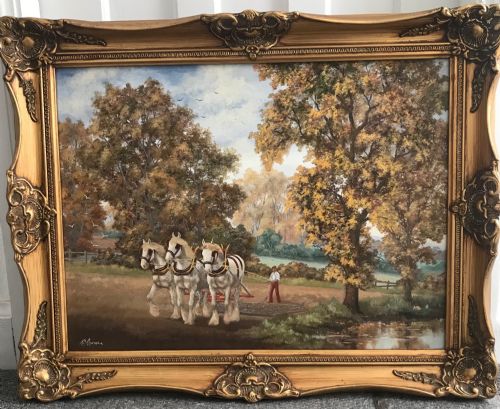
Many works are housed within their original or period-appropriate gilt wood frames. These frames frequently feature carved wooden mouldings that complement the painted composition.
The listings span from the seventeenth century through to mid-century portraiture, utilising oil on canvas and gilt wood frames.
Evaluating quality and execution
Quality rests upon the subtlety of brushwork, the accuracy of anatomical rendering, and the treatment of textiles such as silk and velvet. Finer works display confident handling of light across the sitter's face and drapery.
The sophistication of the accompanying gilt wood frame and the known provenance or historical attribution influence the standing of an individual piece within the tradition.
Ernest Crofts·Sir Thomas Lawrence·Charles d'Agar·Enoch Seeman·Sir Godfrey Kneller·John Baptiste de Medina·Jonathan Richardson the Elder·John Vanderbank·Peter Lely·James Bennett H. Smith·Thomas Murray·Sir Anthony van Dyck·Michael Dahl·John Michael Wright·Johann Kerseboom·Herman Verelst·William Wissing·Cornelius Johnson·Cornelis van der Voort·Hans Hysing·Jan van der Vaart·Moritz Stifter
The Canvas Oil Painting Portrait Glossary
- Oil on Canvas
- A traditional painting medium where pigments bound in drying oil are applied to a woven fabric support stretched over a wooden frame. This method permits rich colour saturation and subtle tonal gradations.
- Gilt Wood Frame
- A wooden moulding coated with a thin layer of gold leaf or metallic gilt. These enclosures protect the canvas edges and add decorative formality.
- Studio of
- A designation indicating a work produced by assistants or pupils under the direct supervision of a master artist. Such pieces reflect the stylistic standards of the primary workshop.
- Circle of
- A term used when a painting shares the distinct style and period characteristics of a known master without direct attribution. It denotes a contemporary working within the same artistic milieu.
- Provincial School
- A classification for regional artworks executed outside major metropolitan artistic centres. These pieces often exhibit straightforward charm and local stylistic traits.
Frequently Asked Questions
How do I date an oil portrait?
Dating relies primarily on the sitter's clothing, hairstyle, and framing conventions, supported by signatures or inscriptions when present.
Changes in textiles, collars, and periwigs provide reliable chronological markers across the sixteenth through nineteenth centuries.
What is a studio piece?
A studio piece is a work created within the workshop of a master artist, often involving assistants executing standard compositions.
These paintings share the technical standards and visual vocabulary of the primary artist's establishment.
How should I hang an oil portrait?
Canvas paintings require stable indoor environments away from direct sunlight and dramatic humidity shifts to protect the paint layer.
Securing the heavy gilt wood frame to wall studs using appropriate hardware ensures safe display.
Why do some portraits have landscape backgrounds?
Landscape or architectural backgrounds denoted the status, wealth, or estate ownership of the sitter during earlier centuries.
Artists utilised these painted settings to add narrative depth and compositional balance to the central figure.