


Canvas Oil Landscape Study
A canvas oil landscape study captures a fleeting moment of natural light and atmosphere directly from the outdoors.
Canvas Oil Landscape Study
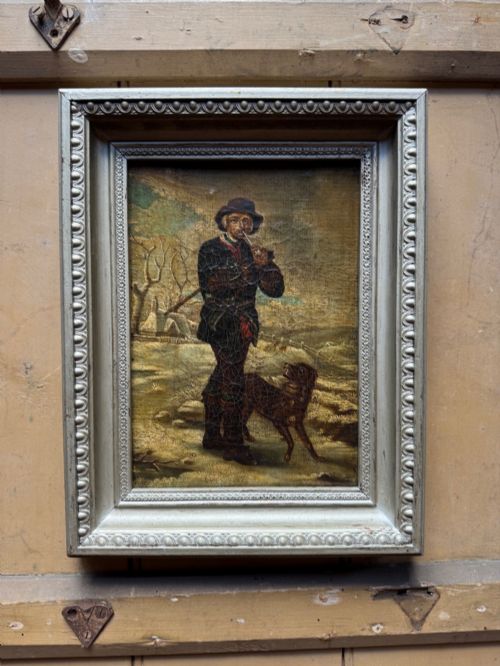
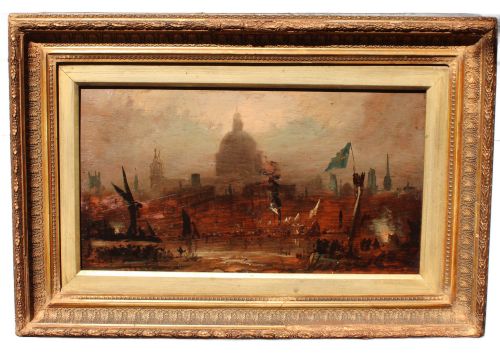
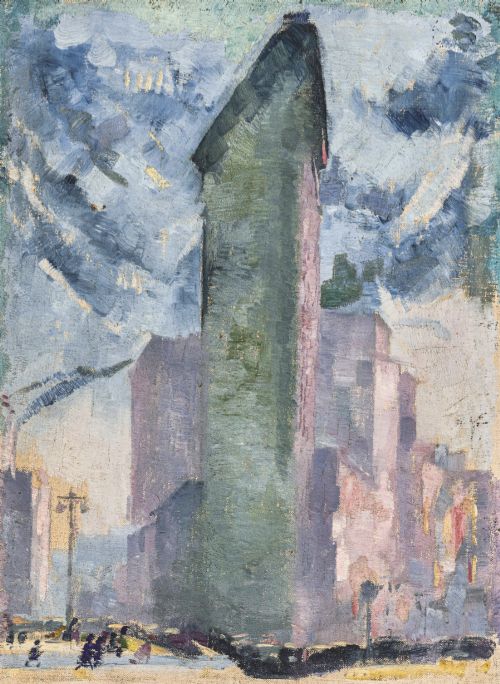
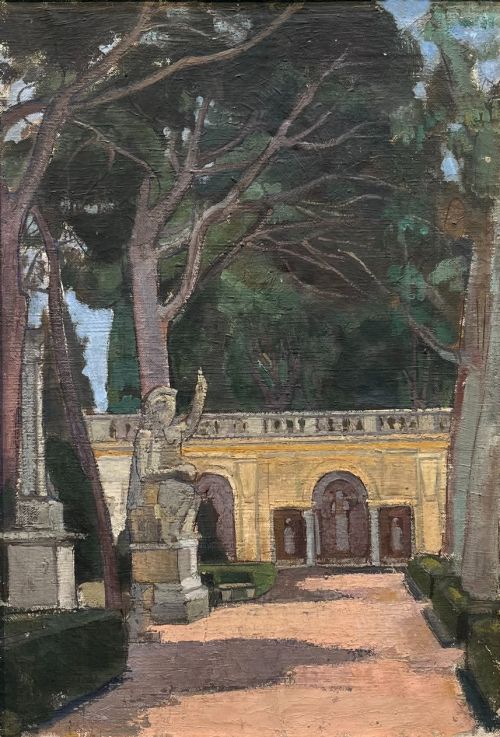
A canvas oil landscape study represents a direct, often rapid capture of scenery, focusing on immediate atmospheric conditions rather than a heavily polished studio finish. When searching for a canvas oil landscape study, buyers encounter works spanning the nineteenth century through the mid-twentieth century, encompassing British Impressionism, Post-Impressionism, and Romanticism.
These pieces frequently take the form of portable works painted outdoors, often termed plein air paintings, recording natural light across settings ranging from French forests and Italian gardens to British riversides and sea fronts.
Materials and Technique
Artists painted primarily with oil paint applied directly onto stretched canvas or sometimes wooden panels, occasionally utilising gesso preparations to seal the support before working. The handling of the medium is typically direct and expressive, employing visible brushstrokes to record changing weather, cloud formations, and shifting shadows without unnecessary elaboration.
Listings feature works executed on canvas, wood panels, and gesso grounds across the nineteenth and twentieth centuries.
Assessing Quality
Quality in these studies rests upon the sureness of the brushwork and the artist's ability to convey immediacy and light with economy of means. A superior study demonstrates confident handling of pigment and a coherent sense of atmosphere, whereas lesser examples can feel static or overly laboured in their execution.
Alfred Wolmark·Honore Cavaroc·Adrian Van Porten·Ernest Higgins Rigg·Frank Moss Bennett·William Cave Day
The Canvas Oil Landscape Study Glossary
- Plein air
- Painting executed outdoors to capture direct observations of natural light and weather. This practice became central to nineteenth-century landscape artists.
- Impressionism
- An art movement characterised by relatively small, thin, yet visible brush strokes and an open composition. Emphasis is accurately depicted on light and its changing qualities.
- Post-Impressionism
- A predominantly French art movement that developed from Impressionism, extending its limitations while rejecting its restrictions. Artists painted with a greater emphasis on geometric forms and expressive use of colour.
- Gesso
- A plaster mixture used as a coating for a canvas or panel before painting. It provides a smooth, stable surface for oil pigments.
Canvas Oil Landscape Study: Frequently Asked Questions
What is a study?
A study is a preparatory work or a direct observation painted quickly to record specific light, colour, or compositional elements.
Unlike finished exhibition pieces, studies often display looser brushwork and immediate responses to the natural environment.
How should I hang these?
These works suit traditional or contemporary wall displays, often housed in period gold leaf or wooden frames that complement their palette.
Keep them away from direct sunlight and damp conditions to protect the oil paint and canvas over time.
How do I date a study?
Dating relies on stylistic evidence, artist signatures, framing, and the physical characteristics of the canvas and stretcher wood.
Nineteenth and early twentieth-century works often carry specific stylistic markers associated with Impressionism or Realism.
Why buy a study over a finished painting?
Studies offer a more intimate glimpse into an artist's working method and their immediate encounter with the landscape.
They frequently possess a freshness and spontaneity that highly polished studio paintings lack.