


Canvas Luggage Chest
A canvas luggage chest brings authentic travel heritage into a room, offering sturdy storage built for journeys by steamship, rail and road.

Canvas Luggage Chest
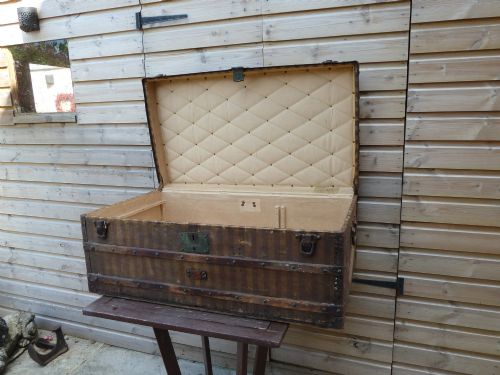
A canvas luggage chest serves as a practical storage piece that carries the distinct character of historical travel. When searching for a canvas luggage chest, buyers encounter items ranging from Victorian and Edwardian examples to 1930s pieces designed for cabins, steamers and overland journeys.
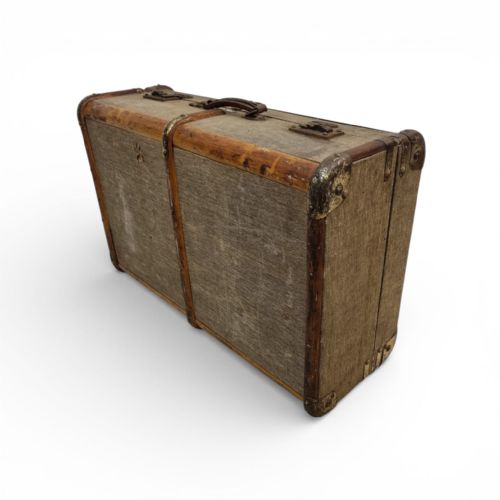
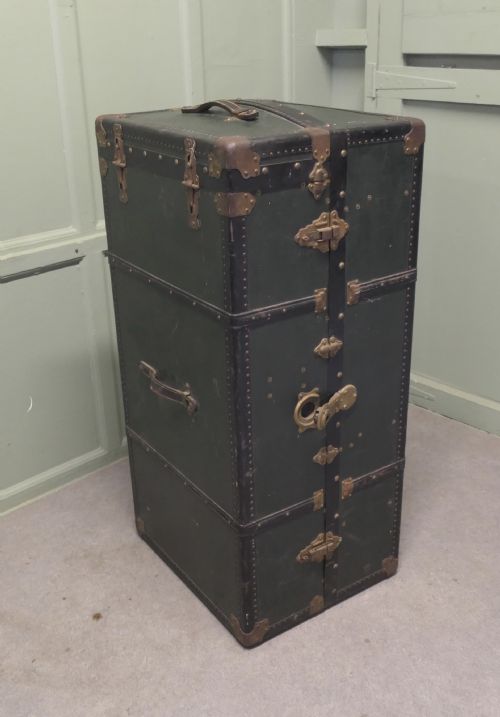
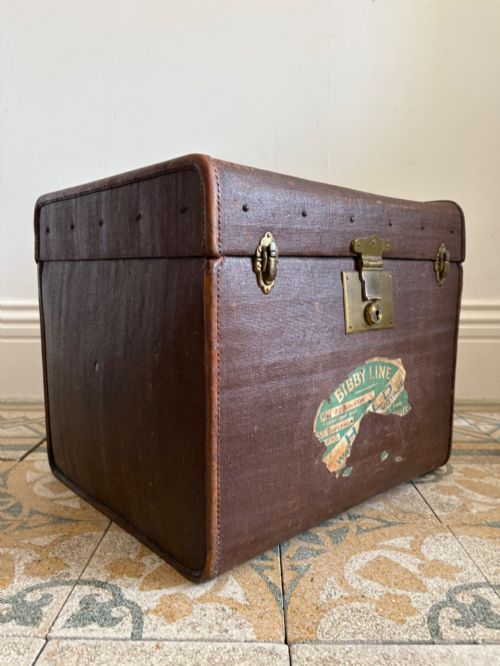
The selections span various formats including steamer trunks, fitted cabin wardrobes, hat boxes and weekend travel cases. These objects originate from British, French and American makers, often featuring reinforced edges and internal compartments suited to period travel.
Victorian and Edwardian iterations frequently appear alongside 1920s and 1930s designs, reflecting the evolution of transit accessories. Buyers frequently meet pieces finished in plain or stencilled canvas, sometimes combined with wood, leather and brass hardware.
Construction and materials
Makers constructed these pieces using a robust core of wood or vulcanised fibre, then clad the exterior in durable canvas to withstand the rigours of transit. This textile outer layer was often treated or painted, providing resistance to wear during long journeys.
To protect vulnerable corners and edges, craftsmen added leather binding, brass capping and metal hardware. Internal fittings frequently incorporated fabric linings, wooden hangers or compartmentalised trays designed to secure garments and personal belongings.
Assessing quality and preservation
The distinction between standard utility trunks and luxury luggage lies in the precision of internal fittings and the pedigree of the maker. Pieces equipped with original compartments, fitted wardrobes or documented stamps demonstrate a higher standard of manufacture.
The integrity of the structural frame, combined with the survival of original canvas, leather bindings and brass hardware, determines the desirability of an example. Unrestored items retain their historical patina, whereas fully restored versions highlight the original stencils, monograms and maker signatures.
Louis Vuitton·Army and Navy·Seaward·Aux Etats Unis·Hartman Luggage Co
The Canvas Luggage Chest Glossary
- Steamer trunk
- A low-profile luggage chest designed to fit beneath a ship's berth during ocean voyages. These pieces usually feature flat or slightly rounded tops to allow stacking.
- Cabin wardrobe
- A vertical trunk that opens to reveal clothes hangers, drawers and shoe compartments. This layout allowed travellers to unpack their garments directly within a stateroom.
- Vulcanised fibre
- A laminated material made from compressed cellulose, utilised by makers for lightweight yet durable trunk bodies. It provided a resilient alternative to solid wood.
- Malle penderie
- The French term for a hanging trunk or wardrobe trunk. These items are frequently associated with Parisian luxury luggage houses.
Canvas Luggage Chest: Frequently Asked Questions
How do I use a canvas luggage chest at home?
These chests function well as coffee tables, end-of-bed storage units or blanket boxes in living spaces and bedrooms. Their internal depth accommodates spare linens, winter garments or books while keeping rooms tidy.
Positioning a chest near seating or beneath a window provides a stable surface for decorative objects while maintaining everyday access to the storage compartment within.
What is the difference between a steamer trunk and a cabin wardrobe?
A steamer trunk is traditionally lower in height, built to slide under a ship berth and remain compact during transit. A cabin wardrobe stands vertically, opening like a small closet with dedicated hanging space and drawers.
Both serve as luggage, but the vertical wardrobe prioritises wrinkle-free garment storage, whereas the steamer trunk offers general packing versatility.
How can I tell the period of a luggage chest?
Dating relies on hardware styles, construction materials, maker stamps and structural design. Victorian and Edwardian examples often feature heavy brass capping and leather bindings, while 1920s and 1930s pieces frequently incorporate vulcanised fibre or specific Parisian stencil marks.
Examining internal labels, railway stickers and patent dates provides further clues to the exact era of manufacture.
Should I choose an unrestored or restored chest?
An unrestored piece preserves the original travel patina, scuffs and transit labels accumulated during its active service. A restored chest offers a clean, revitalised exterior where stencils, brass work and canvas surfaces are renewed.
Your choice depends on whether you prefer the raw historical record of a travelled object or a refined decorative finish suited to a modern interior.