






Canton Ceramic Lamps
These canton ceramic lamps bring hand-painted narrative scenes and rich enamel palettes directly from nineteenth-century workshops into modern interiors.
Canton Ceramic Lamps
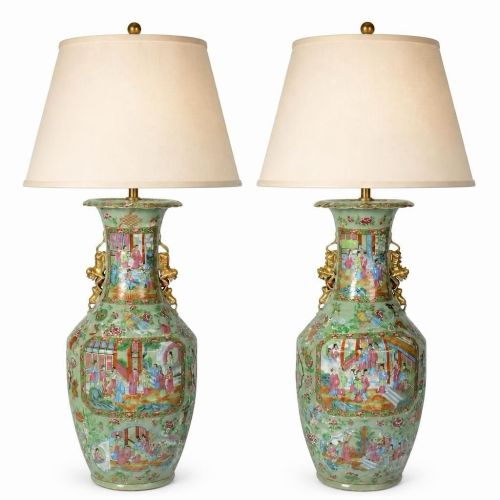
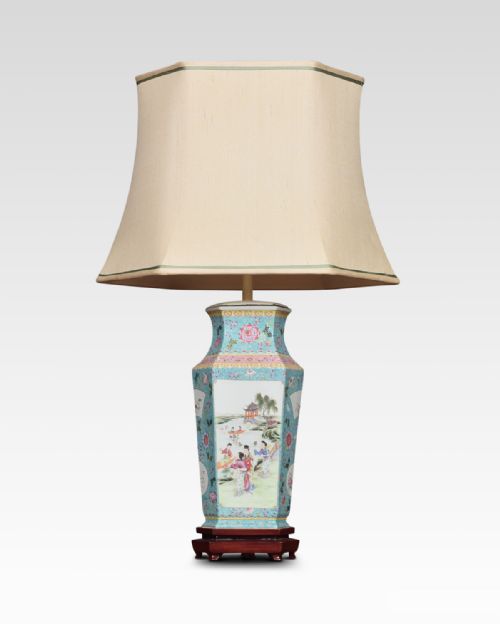
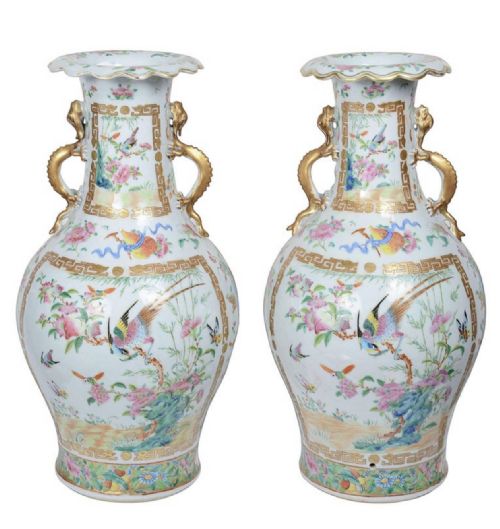
When buyers search for canton ceramic lamps, they find porcelain vessels adapted for lighting, frequently seen as pairs of table lamps or converted decorative vases. The selection relies heavily on nineteenth-century pieces decorated in distinct regional styles.
The most common forms on this page include rose medallion designs and famille rose porcelain mounted on bases of brass or ormolu. These objects combine traditional Chinese export artistry with later nineteenth-century and early twentieth-century electrical fittings.
Materials and construction
Potters shaped these porcelain bodies by hand before applying intricate enamel work in vibrant palettes characteristic of the nineteenth century. Artisans utilised gilt bronze and ormolu mounts to secure the ceramic bodies for domestic lighting.
Canton Ceramic Lamps Retail Price Guide 2026
Typical asking prices for canton ceramic lamps among the pieces listed under this phrase on Sellingantiques today, from the lower quarter to the upper quarter. They describe what is for sale here now, not the wider market.
Current listings feature nineteenth-century porcelain and brass table lamps spanning the Qing dynasty and Victorian chinoiserie styles.
Evaluating the pieces
The sophistication of the hand-painted enamel detail distinguishes finer examples, where figures and floral motifs exhibit precise brushwork and depth. The integration of metal mounts, such as ormolu or gilt bronze, also indicates the level of craftsmanship invested in the conversion.
Proportion between the ceramic body and the supporting base influences the visual balance of the lamp. Preservation of the original porcelain glaze without extensive restoration remains central to the character of each piece.
The Canton Ceramic Lamps Glossary
- Rose Medallion
- A distinct style of Canton porcelain featuring panels of figures alternating with birds, flowers, and butterflies, all set against a dense background of green and gold scrolling. This pattern dominates nineteenth-century export ware.
- Famille Rose
- A palette of opaque enamels introduced in China during the Qing dynasty, dominated by pink or rose colours derived from colloidal gold. It appears frequently on export vases adapted into lamps.
- Ormolu
- Gilt bronze mounts applied to furniture and porcelain, cast and chased to add decorative structure and protect vulnerable edges. On lamps, it provides a stable footing and an opulent finish.
- Chinese Export
- Porcelain and decorative objects manufactured in China specifically for Western markets, combining traditional domestic techniques with shapes and motifs demanded by European and American buyers.
Canton Ceramic Lamps: Frequently Asked Questions
Are these lamps converted from old vases?
Many examples began as traditional decorative vases during the nineteenth century before receiving mounts and electrical wiring at a later date.
This adaptation process preserves the original ceramic body while allowing the vessel to function as a modern table lamp.
How do I identify Canton porcelain?
Canton porcelain is recognised by its specific enamel palettes, particularly the compartmentalised designs of rose medallion and famille rose.
These pieces typically originate from nineteenth-century workshops producing wares specifically for export to Western buyers.
Where should I place these lamps?
These lamps suit living rooms, studies, or hallways where their colourful enamel work can serve as a focal point.
Pairs look particularly balanced when placed on matching side tables or a large sideboard.
What metals are used in the mounts?
Mounts on these lamps frequently incorporate brass, gilt bronze, or ormolu to secure the ceramic base and support the bulb fixture.
These metal elements reflect the Victorian taste for ornate hardware combined with exotic porcelain.