
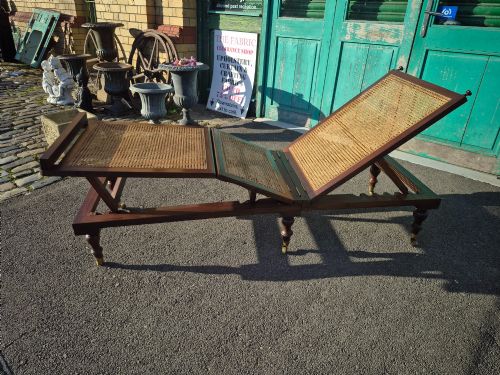
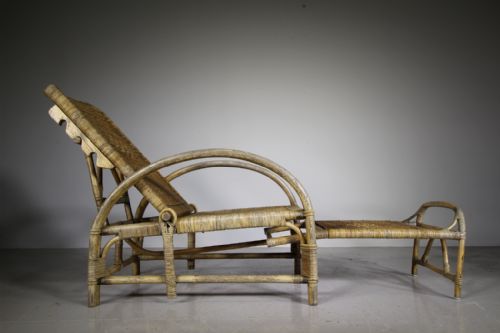


Caned Reclining Chair
These caned reclining chair pieces offer adjustable comfort and traditional woven seating, bringing colonial character and practical lounging to any room.
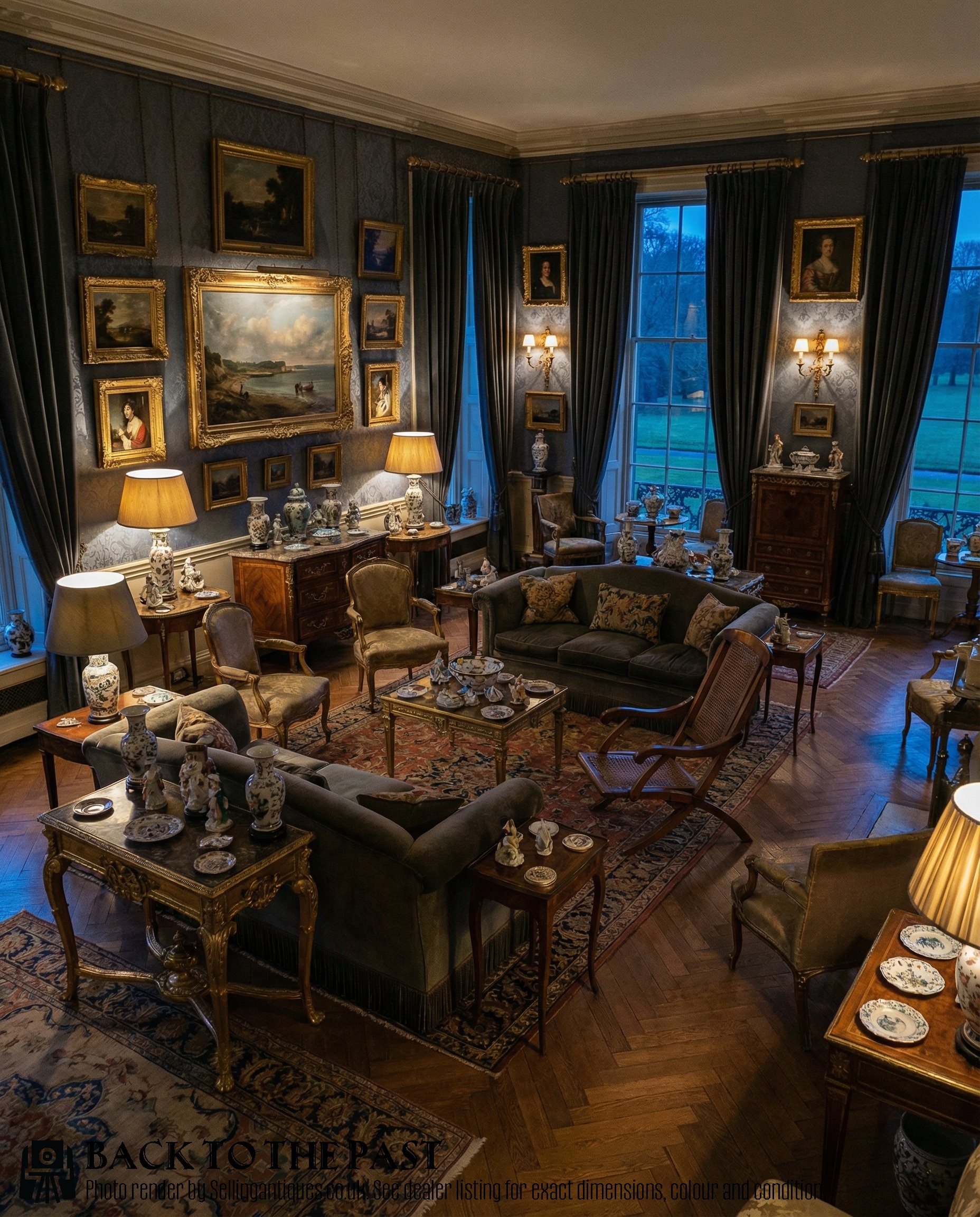
Caned Reclining Chair
A caned reclining chair provides an adjustable backrest and woven seating surface designed for relaxation. These seats span periods from the nineteenth century through the twentieth century, reflecting various global influences.
The selections on this page include forms such as steamer chairs, plantation chairs, day beds, and garden armchairs. You will encounter styles ranging from British Colonial and Victorian campaign to Art Deco and Arts and Crafts.
Origins and workshop associations vary widely, taking in pieces linked to makers like Angraves of Leicester and Heals of London types. Materials combine traditional timber frames with woven cane, rattan, and bamboo.
How they were made
Construction relies on sturdy timber frames shaped from walnut, teak, mahogany, oak, and rosewood. These woods provide the structural skeleton necessary to support an adjustable or folding mechanism.
Seating and back panels utilise woven cane, wicker, and rattan, often worked in traditional bergère patterns. Brass hardware and occasional fabric upholstery finish the pieces, ensuring both flexibility and durability.
Listings feature periods from the nineteenth century up through nineteen-thirty, using walnut, teak, mahogany, and bamboo.
What varies in quality
Quality rests upon the selection of cabinet timbers and the tightness of the woven cane or rattan panels. Dense hardwoods like rosewood and teak denote higher tier execution than simpler utility frames.
The sophistication of the mechanical adjustment system and the precision of the joinery separate standard examples from finer workshop productions. Original brass fittings and intact woven surfaces elevate the character of a piece.
Angraves of Leicester·Heals of London
The Caned Reclining Chair Glossary
- Bergere
- A type of upholstered armchair with a wooden frame where the back and sides are typically filled with woven cane. This French-inspired technique provides a light, breathable panel.
- Plantation chair
- A large armchair featuring extended, flat arms designed for resting legs, originating in colonial environments. These seats prioritise tropical ventilation and ergonomic lounging.
- Steamer chair
- A folding deck chair equipped with a sliding footrest, designed for travel and shipboard use. Most examples date from the Victorian and Edwardian eras.
- Caning
- The craft of weaving split rattan or reed into open mesh patterns for chair seats and backs. It requires considerable skill to maintain uniform tension across the frame.
Caned Reclining Chair: Frequently Asked Questions
How do you adjust the backrest?
Most models use a ratcheted arm or a notched wooden support system integrated into the rear frame. Lifting the back allows the catch to move into a different slot.
This mechanism lets the user shift easily from an upright sitting posture to a fully reclined lounging position.
Where were these chairs used?
These chairs served multiple roles in domestic and travel settings, from verandas in colonial outposts to ship decks and domestic drawing rooms. Folding steamer versions accommodated movement and compact storage.
Fixed plantation and garden armchairs remained stationed in warmer climates or conservatories for daily relaxation.
How do I care for the cane?
Maintain cane panels by keeping them clean and lightly hydrated with a damp sponge to prevent the natural fibres from becoming brittle. Avoid placing them in direct sunlight or beside intense heat sources.
Allowing the material occasional rest prevents sagging and preserves the tension of the weave.
Can these chairs fold away?
Many of the steamer and deck chair variants incorporate folding frames designed for transport or seasonal storage. The timber linkages collapse flat by pivoting on central brass or wooden pins.
Planted armchairs and day beds generally feature rigid, non-folding frames built for permanent placement.