



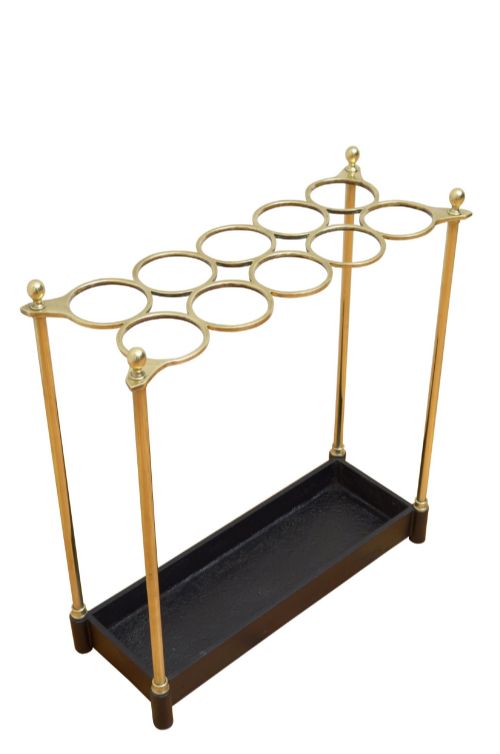
Cane Stick Holder
A cane stick holder keeps your hallway tidy while bringing robust character from the nineteenth and twentieth centuries.
Cane Stick Holder
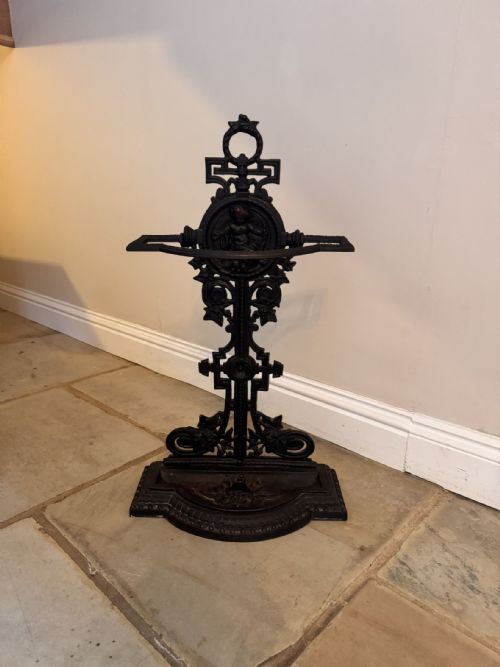
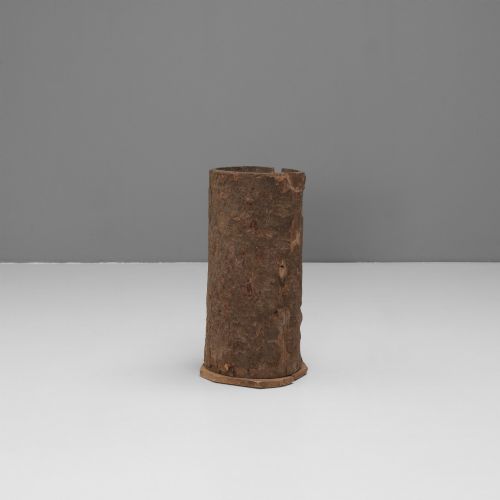
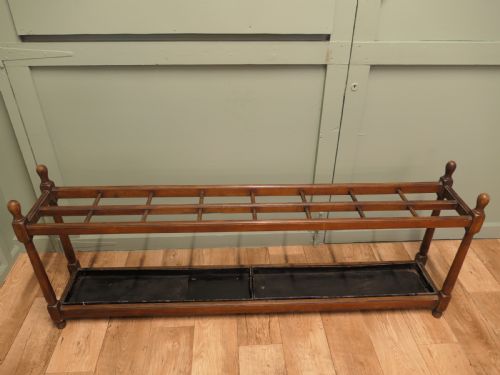
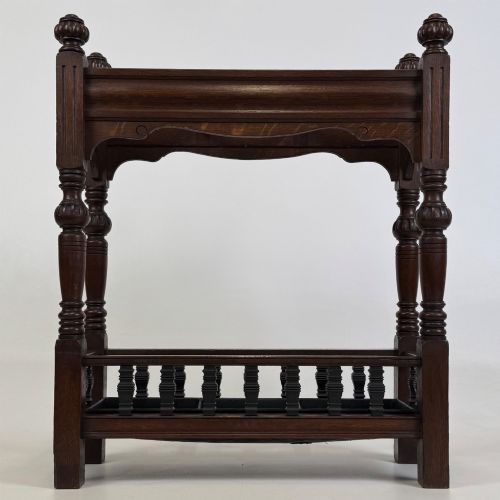
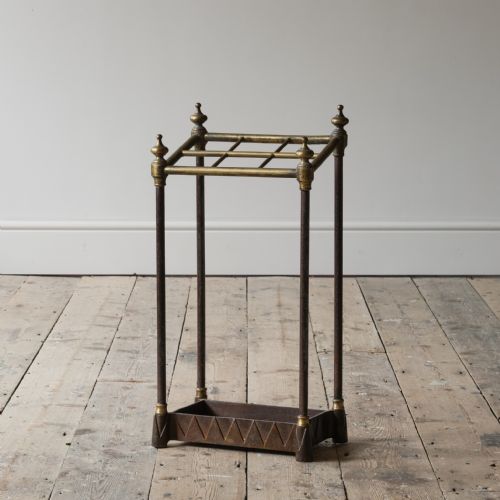
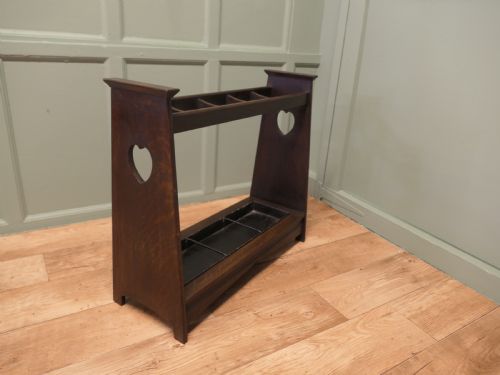
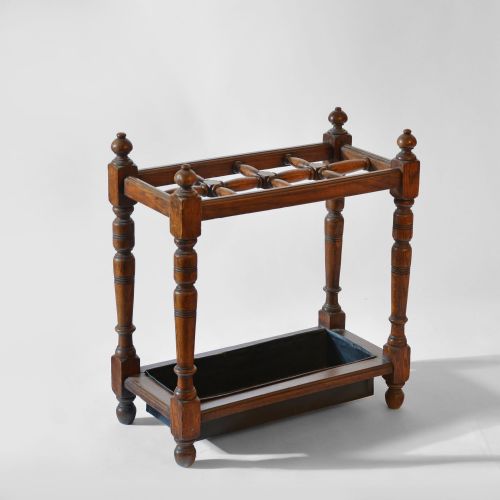
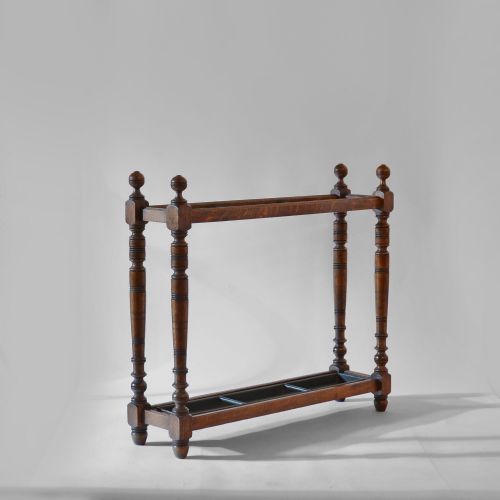
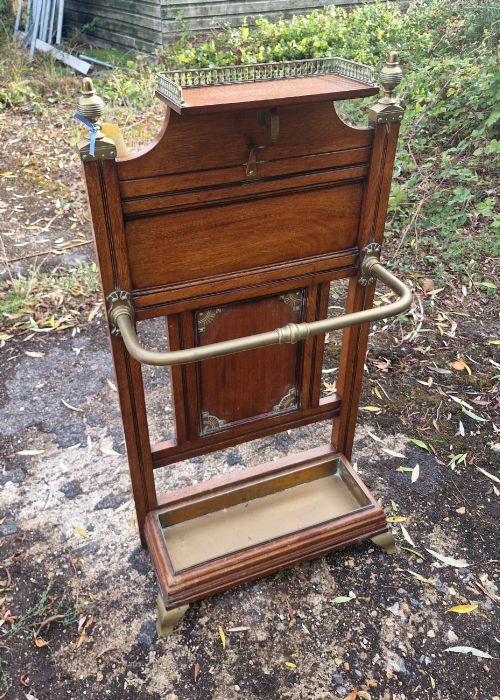
A cane stick holder, listed across these pages as a stick or umbrella stand, organises walking aids and wet umbrellas in an entrance hall. You encounter these utility pieces configured as upright cylinders, demi-lune shapes, and compartmented hall stands.
The material palette spans utilitarian metals and solid timbers from the Victorian, Edwardian, and Art Deco periods. Many incorporate original metal drip trays designed to catch rainwater from walking sticks and umbrellas.
Makers utilised cast iron, brass, and oak to build structures that endure heavy daily use. Simpler pine and mahogany versions sit alongside elaborate Aesthetic Movement and Arts and Crafts designs.
Materials and Construction
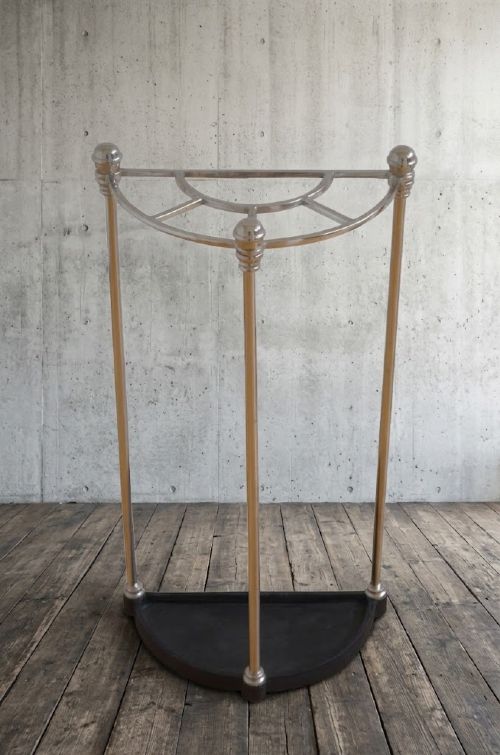
Foundry workers cast iron into intricate openwork patterns, faux bois bamboo stalks, and figurative motifs like footballers. Other metal stands employ sheet brass, nickel plating, and steel tubes secured with decorative ball finials.
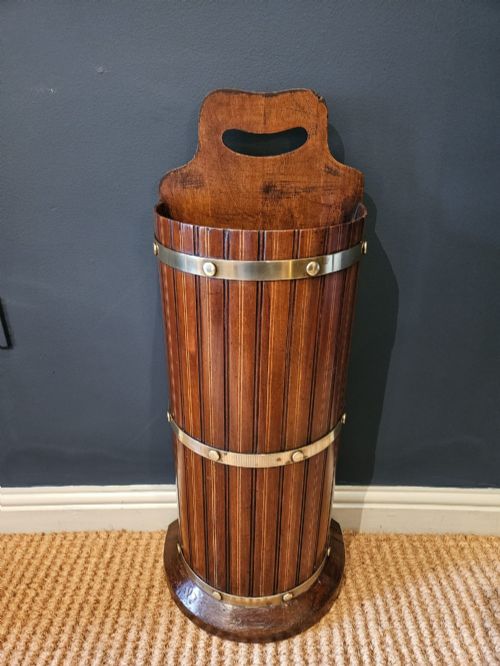
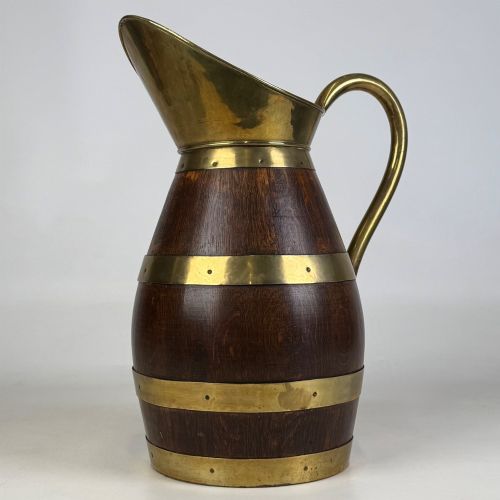
Joiners and coopers constructed timber versions using solid oak, mahogany, and bentwood, frequently banding barrels and wooden bodies with polished brass hoops. These wooden frames often rely on sturdy tongue-and-groove joints to withstand moisture.
One cast iron stand depicts a full football match ready for your walking sticks.
Judging Quality and Design
Quality rests on the integrity of the original construction and the survival of subsidiary elements like zinc or iron drip trays. A solid piece maintains structural rigidity without loose joints in the timber or cracks in the metal body.
Artistic ambition separates standard hall furniture from notable design examples associated with movements like Arts and Crafts or Art Nouveau. Clean casting lines on ironwork and substantial gauge brass indicate superior workshop production.
Coalbrookdale·Thomas Jeckyll·Théodore Deck·Thonet
The Cane Stick Holder Glossary
- Demi-Lune
- A half-moon shape allowing the stand to sit flush against an entrance hallway wall. This profile maximises floor space in narrow corridors.
- Coopered
- Built from vertical wooden staves bound together with metal hoops, mimicking the construction method of traditional barrels. This technique provides natural water resistance for wooden holders.
- Drip Tray
- A removable metal basin positioned at the base of the stand to collect water runoff. Original trays are crucial for authenticity.
- Faux Bois
- An artistic finish or cast form imitating natural wood grain. In metalwork, this frequently takes the appearance of bundled bamboo stems.
- Aesthetic Movement
- A late nineteenth-century design style prioritising visual beauty over narrative meaning. Pieces from this era often utilise bamboo framing or stylized brass details.
Cane Stick Holder: Frequently Asked Questions
Where should I place it?
These stands belong in an entrance hallway, porch, or boot room where people enter the house with walking aids and wet umbrellas. Demi-lune shapes fit flat against narrow walls.
Ensure the floor beneath the stand can handle occasional moisture if the original metal drip tray allows water to seep through.
How do I maintain the wood?
Keep wooden stands away from direct heat sources and radiators to prevent the oak or mahogany from drying out and splitting. Apply a suitable wax polish periodically to nourish the surface.
Empty and dry the internal metal drip tray regularly to stop standing water from damaging the base of the wooden frame.
How do I date an antique stand?
Examine the materials, construction methods, and stylistic cues such as Art Nouveau curves or Aesthetic Movement bamboo details. Cast iron stands often bear registration marks or foundry stamps.
Check for hand-cut joinery in wooden versions and inspect the hardware type used to secure any brass bands or handles.