



Cane Seat Sofa
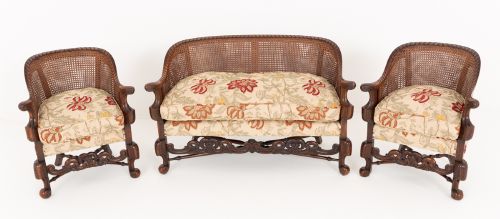
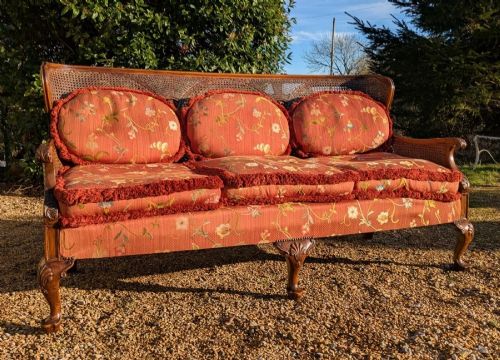
These cane seat sofa pieces bring woven seating and wooden frames together, offering light, sturdy resting places for sitting rooms and halls.
Cane Seat Sofa
A cane seat sofa combines wooden framework with woven panels, offering a lighter visual weight than fully upholstered seating. When you search for cane seat sofa, you meet pieces ranging from eighteenth-century Swedish frames to nineteenth-century revival work.
The forms span settees, window seats, and compact couches alongside larger multi-piece seating suites. Many examples show stylistic roots in French design, Carolean revivals, and Viennese bentwood production.
Origin points vary widely across continental Europe and Britain, reflecting shifts in taste from neoclassical restraint to ornate painted finishes. Buyers encounter pieces utilising traditional joinery alongside natural woven materials designed for domestic display.
Materials and construction methods
Makers built these frames using dense hardwoods like walnut, beech, and rosewood to support the tension of woven seating panels. Painted wood and giltwood finishes often appear over the primary timber structure.
The seating panels themselves utilise cane and rattan cane, woven tightly into the frame to create a resilient surface. Additional elements such as fabric cushions and feathered inserts provide extra softness atop the cane base.
Cane Seat Sofa Retail Price Guide 2026
Typical asking prices for cane seat sofa among the pieces listed under this phrase on Sellingantiques today, from the lower quarter to the upper quarter. They describe what is for sale here now, not the wider market.
Listings feature walnut, beech, and rosewood frames alongside painted wood and giltwood surfaces.
Assessing craftsmanship and condition
Quality rests in the tightness and regularity of the cane weave, which requires steady tension across the entire frame. Superior pieces maintain crisp carving on wooden elements like scroll backs and gilt details.
The integrity of the underlying timber joinery determines the overall stability of the settee during daily use. Original painted or gilded surfaces hold greater interest than later overpainting applied to mask wear.
Thonet
The Cane Seat Sofa Glossary
- Cane
- A material made from the peeled bark of rattan palms, woven into open or closed patterns for seat panels. It provides flexibility and breathability.
- Bergere
- An enclosed upholstered French armchair or sofa design featuring wooden frames and cane sides or backs. These pieces often include loose seat cushions.
- Giltwood
- Timber coated with a thin layer of gold leaf or gilt powder for decorative effect. This finish appears frequently on formal nineteenth-century seating.
- Settee
- A long wooden or upholstered seat with a back and arms, designed for more than one person. They occupy a middle ground between benches and full sofas.
- Gustavian
- The Swedish interpretation of neoclassical style, characterised by pale painted finishes and restrained classical ornamentation. This aesthetic emerged during the late eighteenth century.
Cane Seat Sofa: Frequently Asked Questions
What is a cane seat sofa?
A cane seat sofa is a wooden settee featuring woven cane panels across the seating area or backrest. These pieces originated to provide lightweight, breathable seating for formal rooms.
Craftsmen combined sturdy timbers like beech and walnut with intricate woven patterns to create durable domestic furniture.
Where should I place a cane seat sofa?
These sofas suit entryways, garden rooms, and drawing rooms where their open woven panels maintain a sense of light and space. They work well away from direct heat sources to protect the natural cane.
Pairing the wooden frame with complementary side chairs creates a cohesive seating arrangement in traditional interiors.
How do I clean cane seating?
Dust cane panels regularly using a soft brush or a damp cloth to remove particles trapped within the weave. Keeping the cane slightly hydrated prevents the natural fibres from becoming brittle.
Avoid harsh chemical cleaners and heavy saturation, as excess moisture damages both the woven rattan and the surrounding wood.
How can I date a cane sofa?
Dating relies on examining the timber species, joinery techniques, and stylistic clues such as neoclassical motifs or Victorian revival carvings. Eighteenth-century pieces typically show hand-shaped frames and distinct regional proportions.
Nineteenth-century examples often incorporate revival styles like Carolean scrollwork or French chateau ornamentation alongside machine-woven elements.