

Cane and Wood Chair
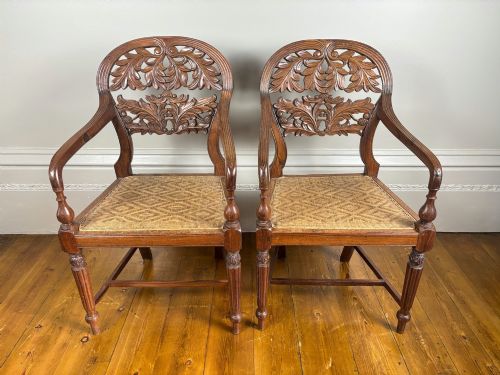
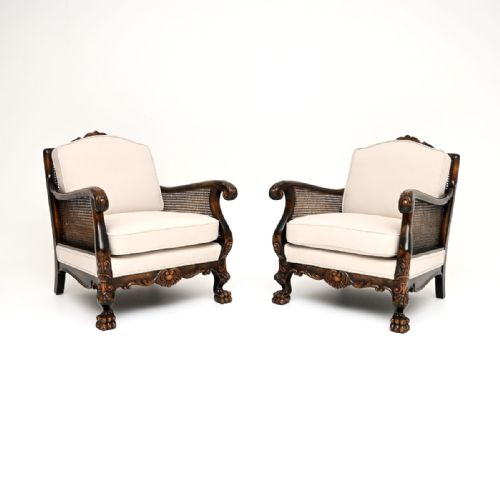
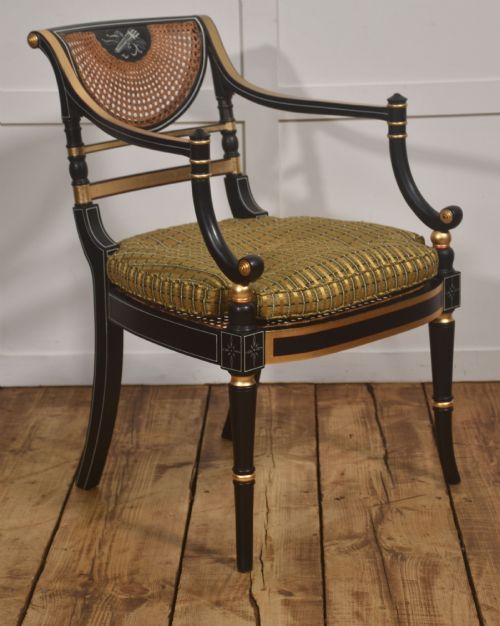
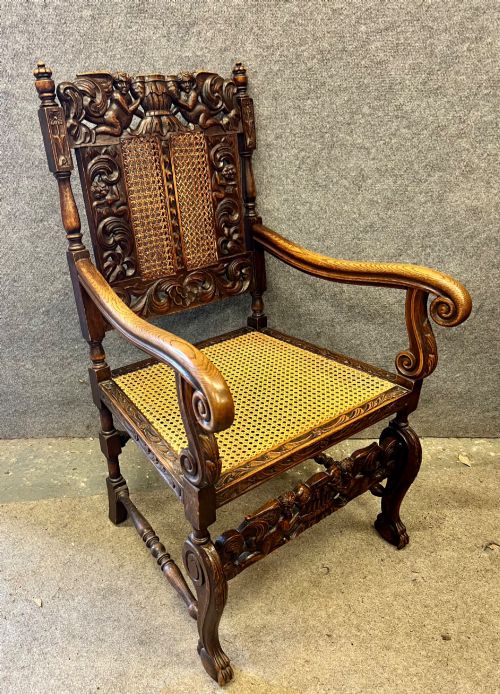
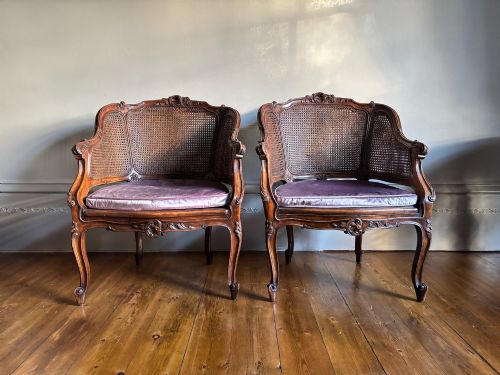
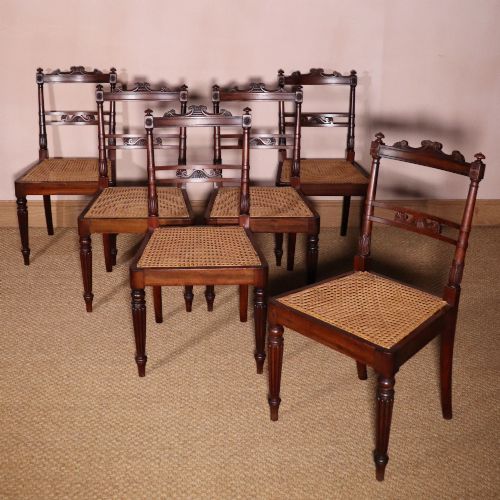
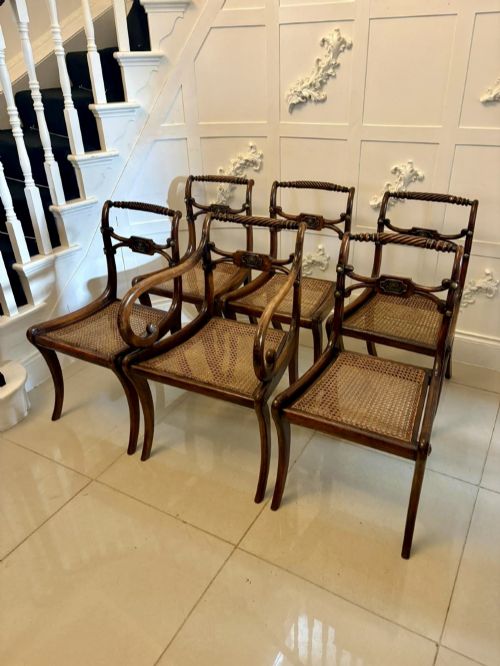
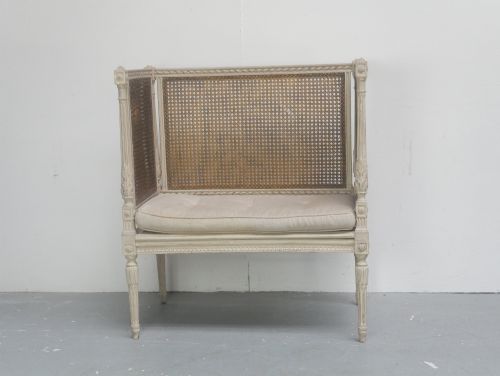
Cane and wood chair examples range from Regency dining sets to Edwardian bedroom seats, bringing woven texture and timber frames together.
Cane and Wood Chair
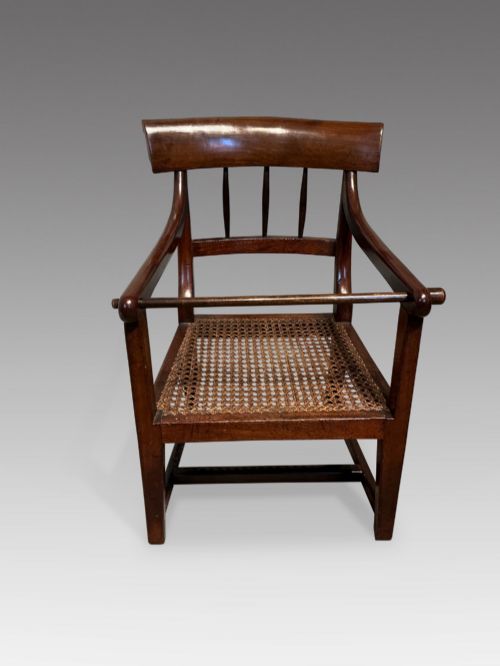
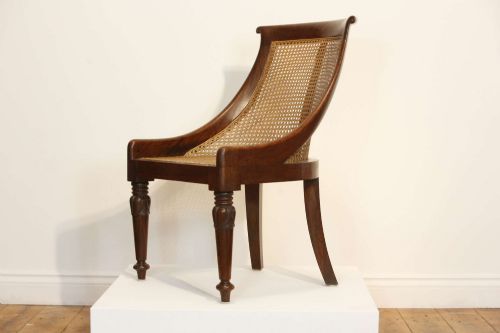
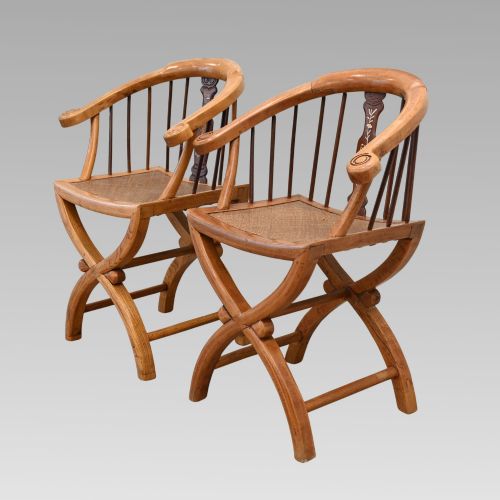
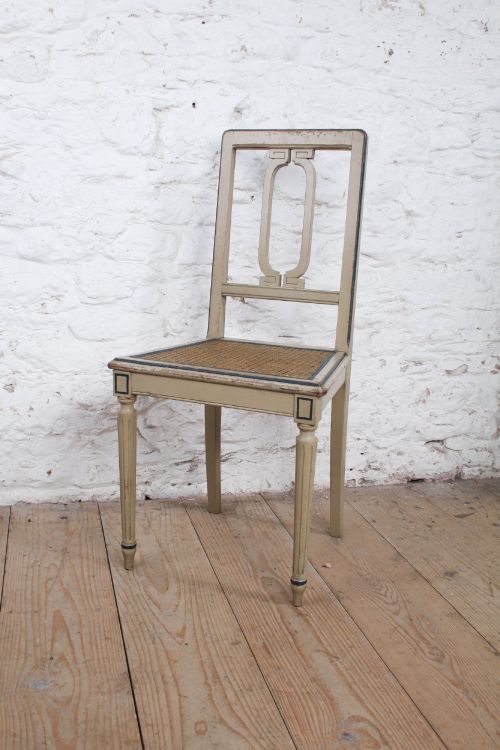
A cane and wood chair combines woven plant material with timber framing, appearing in forms such as dining chairs, armchairs, rocking chairs, and window seats. Buyers searching this phrase encounter dining sets, library armchairs, and occasional seating spanning multiple centuries.
The selections on this page draw from periods including the Georgian, Regency, Victorian, and Edwardian eras, alongside revival designs like Carolean and Louis styles. Dining chairs and open armchairs dominate the selection, often grouped in sets or offered as pairs.
Origins vary from English workshops to French ateliers and Ceylonese or Anglo-Indian makers, incorporating woods like mahogany, rosewood, oak, and walnut. Woven cane appears variously on seats, backs, and panels within these diverse timber frames.
How they were made
Timbers such as mahogany, rosewood, oak, walnut, and satinwood form the structural framework, shaped through turning, carving, and bending techniques. Brass inlays, paint finishes, and giltwood embellish specific frames alongside solid construction.
Cane strands thread through holes drilled in the wooden frame or fit into designated channels, creating a taut, resilient woven mesh for seats and backs. This traditional method allows flexibility while supporting the sitter.
Cane and Wood Chair Retail Price Guide 2026
Typical asking prices for cane and wood chair among the pieces listed under this phrase on Sellingantiques today, from the lower quarter to the upper quarter. They describe what is for sale here now, not the wider market.
Listings feature timbers such as mahogany, oak, walnut, rosewood, and satinwood alongside woven cane panels across multiple centuries.
What varies in quality
The grade of timber and the precision of cabinetmaking separate standard pieces from exceptional examples, seen in the crispness of carved details and the tightness of joinery. Denser hardwoods and finely figured veneers indicate superior material selection.
The regularity and tension of the cane weaving influence the overall integrity and finish, reflecting the skill applied to the seating surface. Cohesive design execution across sets of chairs elevates the standing of the pieces.
E.W Godwin·James Shoolbred
The Cane and Wood Chair Glossary
- Bergere
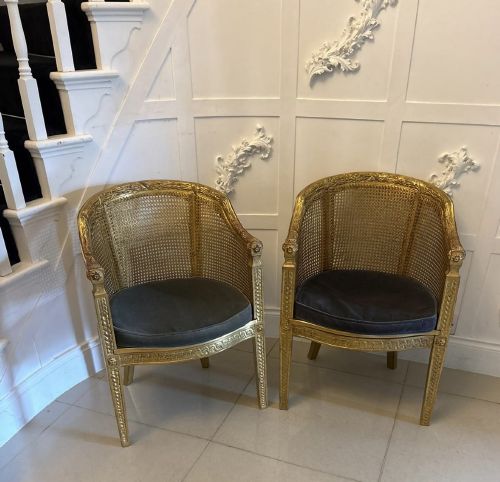
- An enclosed upholstered or cane-paneled armchair with wooden framing, originating in France. These seats often feature low proportions and loose cushions.
- Carolean
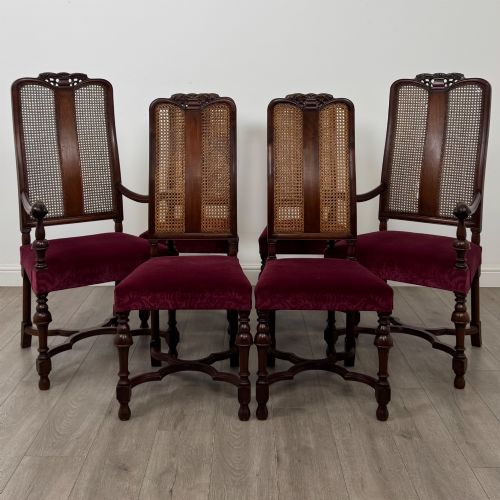
- A style spanning the late seventeenth century characterised by rich carved woodwork, scroll legs, and high backs. Revival versions appear frequently in later nineteenth and twentieth-century furniture.
- Campaign chair
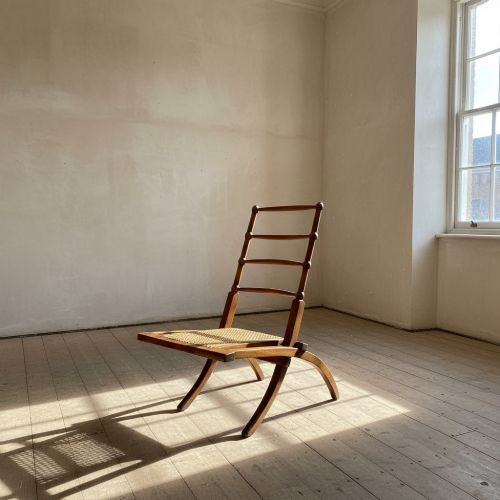
- A portable seating form designed for travel, often featuring folding frames and modular construction. These pieces utilise durable timbers and metal hinges for easy dismantling.
- Bentwood
- A technique of steaming wood until pliable and bending it into curved forms, popular in nineteenth and twentieth-century production. This method creates lightweight, continuous frames without traditional joinery.
- Gonçalo Alves
- A dense exotic hardwood with distinctive figuring, utilised in Regency dining furniture for its rich grain and durability. It provides a robust alternative to standard mahogany.
Cane and Wood Chair: Frequently Asked Questions
How do I care for cane seats?
Keep cane woven panels supple by wiping them occasionally with a damp cloth to prevent the natural material from drying out and snapping. Avoid placing these chairs near direct heat sources or in overly dry rooms.
Support the woven surface with appropriate cushions if used heavily, as concentrated pressure can stretch or break the strands over time. Proper humidity helps maintain the resilience of the plant fibres.
Are these chairs suitable for daily dining?
Many dining sets and side chairs from the Regency and Victorian periods remain sturdy enough for regular daily use. Solid hardwood frames and tight joinery ensure structural reliability.
Check that the cane and timber joints feel solid before putting older chairs into heavy daily rotation. Lighter occasional or bedroom chairs suit relaxed sitting rather than robust dining environments.
How can I tell a Regency chair apart from an Edwardian copy?
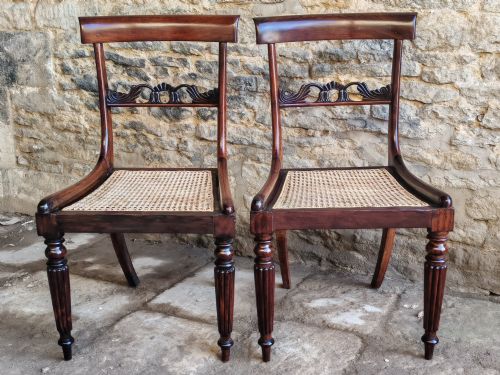
Regency pieces utilise specific native and exotic timbers like rosewood and mahogany, often featuring brass inlay, simulated grain, or classical proportions characteristic of the early nineteenth century. Construction methods show hand-cut joinery and period-appropriate tool marks.
Edwardian reproductions and revival items display lighter machine-made precision, softer secondary woods, and stylistic traits typical of the early twentieth century. Examining the underside and interior joints reveals the manufacturing era.
What is the difference between an armchair and a bergere?
Standard armchairs feature open wooden arms and direct structural framing, whereas a bergere incorporates solid or cane-paneled sides enclosed within the frame. Bergere models typically offer a wider, deeper seat designed for relaxed lounging.
French bergere styles often include decorative carved woodwork around the closed sides and back. Open armchairs emphasise structural timber members and upright postures.