

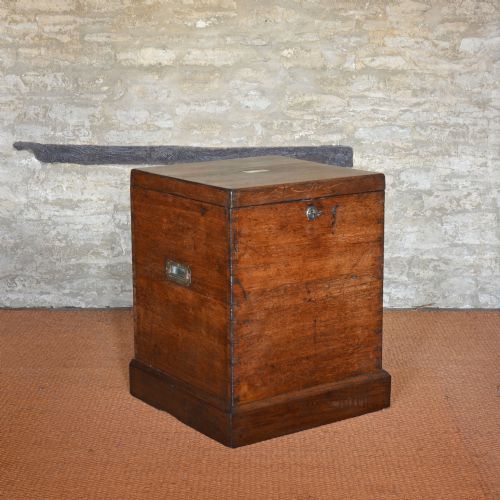
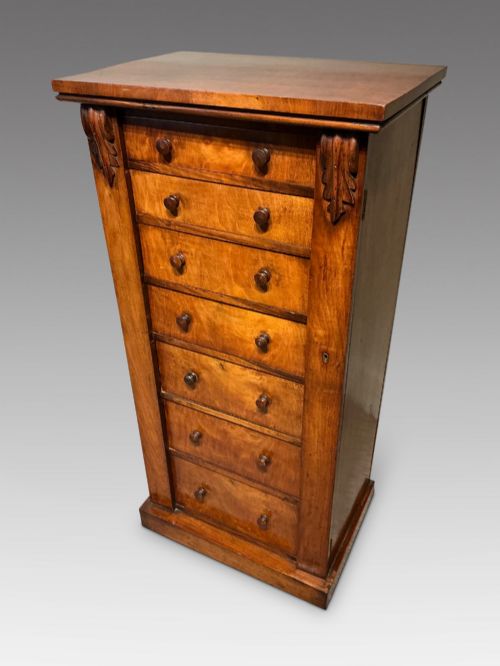
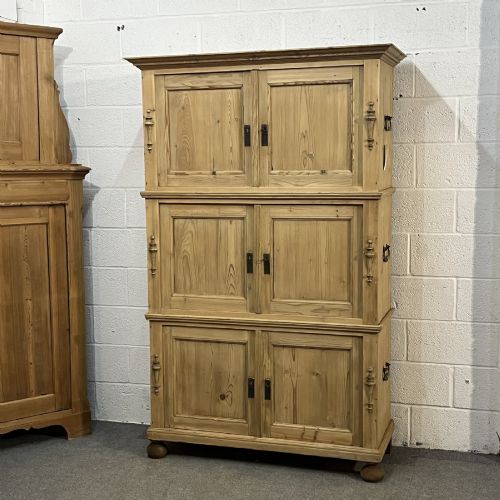
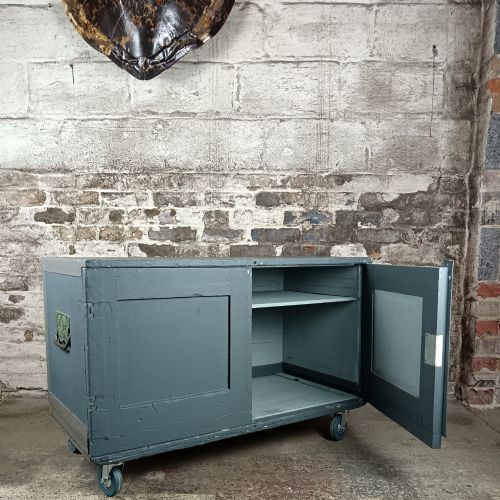
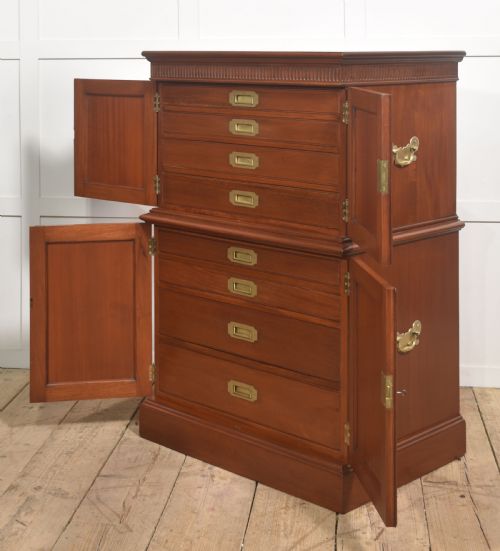


Campaign Storage Cabinet
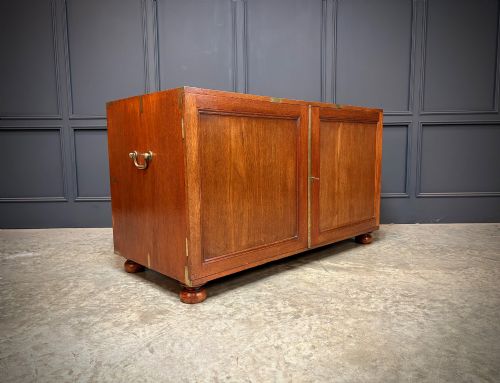
These campaign storage cabinet pieces offer sturdy folding utility and brass-bound transportability designed for officers on the move.
Campaign Storage Cabinet
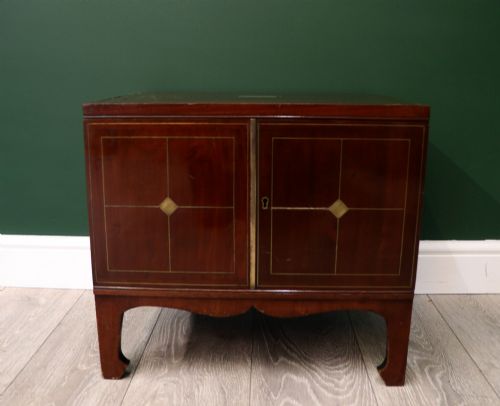
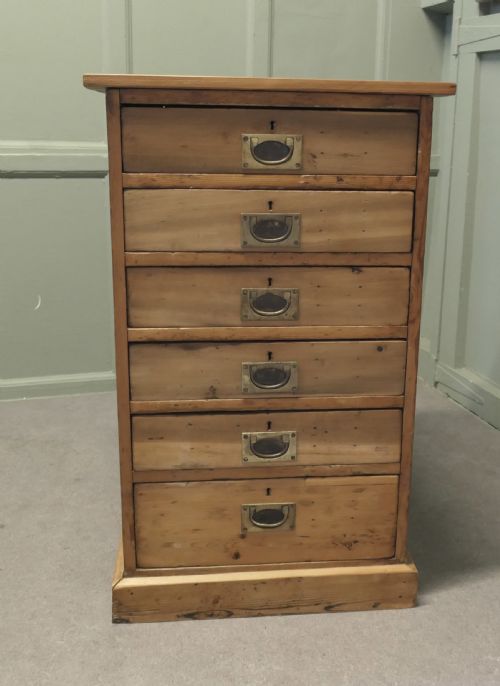
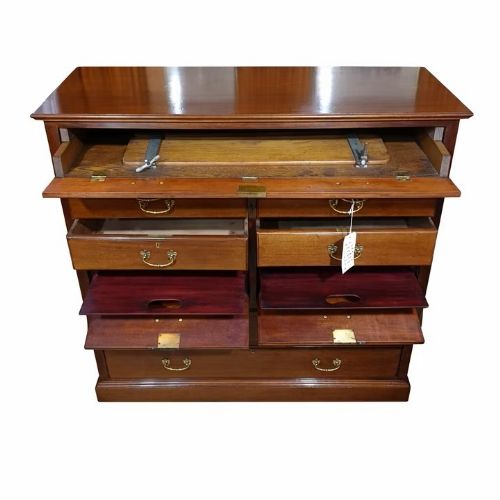
A campaign storage cabinet serves as portable furniture designed for travel, featuring durable construction that accommodates military life or maritime transport. Buyers searching for a campaign storage cabinet encounter various configurations including side cabinets, chests of drawers, filing cabinets, and specialised collectors' cases.
The evidence spans from the eighteenth century through the 1930s, encompassing Victorian, Edwardian, George V, and 1920s industrial periods. These furnishings range from pine filing drawers and mahogany chests to teak side cabinets and oak specimen cases.
Origins trace across British military and naval use, yielding pieces equipped with brass corners, inset handles, and sectional builds. Such utilitarian design prioritises resilience and compact organisation above fixed domestic styling.
How they were made
Makers utilised dense timbers such as mahogany, teak, burr walnut, oak, and pine to withstand rigorous transport and changing climates. Iron and brass hardware reinforced corners, provided structural bracing, and formed flush-fitting handles that avoided snagging during transit.
Construction relied on sectional designs, often dividing chests and cabinets into separate stacking modules to ease loading on ships or wagons. Brass binding and inlay protected vulnerable edges from impact while securing the joints of each wooden carcass.
Campaign Storage Cabinet Retail Price Guide 2026
Typical asking prices for campaign storage cabinet among the pieces listed under this phrase on Sellingantiques today, from the lower quarter to the upper quarter. They describe what is for sale here now, not the wider market.
Listings feature woods including mahogany, pine, burr walnut, oak, teak, and yew, alongside iron and brass hardware.
What varies in quality
Quality differentiates through the precision of brass joinery, the thickness of timber used in the carcass, and the integrity of internal fittings such as shallow drawers and locking mechanisms. Superior examples exhibit tightly fitted brass corners and flush handles that sit level with the wood surface.
The choice of primary wood also dictates standard, moving from utilitarian pine and oak up to finely figured mahogany, teak, and burr walnut. Original military provenance or specific naval commissioning further elevates the distinction of individual cabinets.
The Campaign Storage Cabinet Glossary
- Campaign style
- Furniture constructed in sections with recessed brass handles and reinforced corners to facilitate transport during military campaigns.
- Wellington chest
- A tall, narrow chest of drawers secured by a hinged locking side pilaster that fastens over the drawer edges.
- Specimen case
- A small cabinet or box fitted with shallow drawers designed for storing natural history collections or small objects.
- Flush handle
- A metal pull inset into the wood surface so it does not project beyond the plane of the cabinet face.
- Brass bound
- Edges and corners reinforced with brass strapping to protect the timber during transit.
Campaign Storage Cabinet: Frequently Asked Questions
What is a campaign storage cabinet?
A campaign storage cabinet is portable furniture built in sections to withstand travel, originally used by officers on military or naval campaigns.
These pieces feature protective brass corners and flush handles to prevent damage during movement.
How were campaign cabinets used?
They served as mobile desks, wardrobes, and filing chests for officers needing organised storage while on the move.
Their sectional design allowed them to be separated for easier loading onto transport wagons or ships.
What woods were used for campaign furniture?
Makers constructed these cabinets using durable timbers like mahogany, teak, oak, and pine.
More decorative examples utilised burr walnut or yew wood alongside brass inlay.
How do I identify campaign pieces?
Look for modular construction, recessed brass hardware, and reinforced corners designed for durability and transport.
Many examples also include built-in locking mechanisms to secure drawers during transit.