



Camels in Art
Camels in art bring nomadic life, desert expanses and tribal craftsmanship directly into your home through textiles and paintings.
Camels in Art
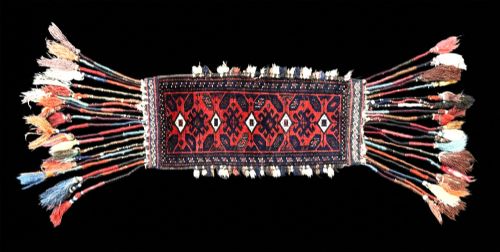
When you search for camels in art, you encounter a diverse selection of pieces ranging from tribal textiles and saddle bags to fine art paintings and hardstone carvings. The most common representations on this page stem from Turkmen and Persian tribal traditions, alongside nineteenth-century Orientalist watercolours and oil paintings.
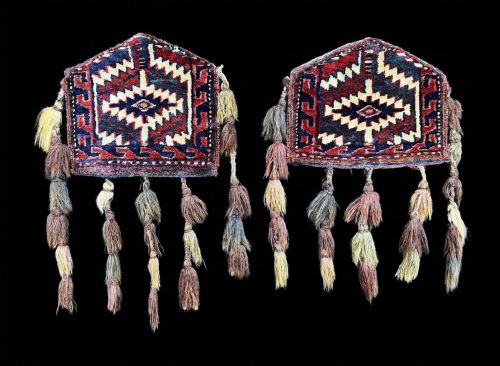
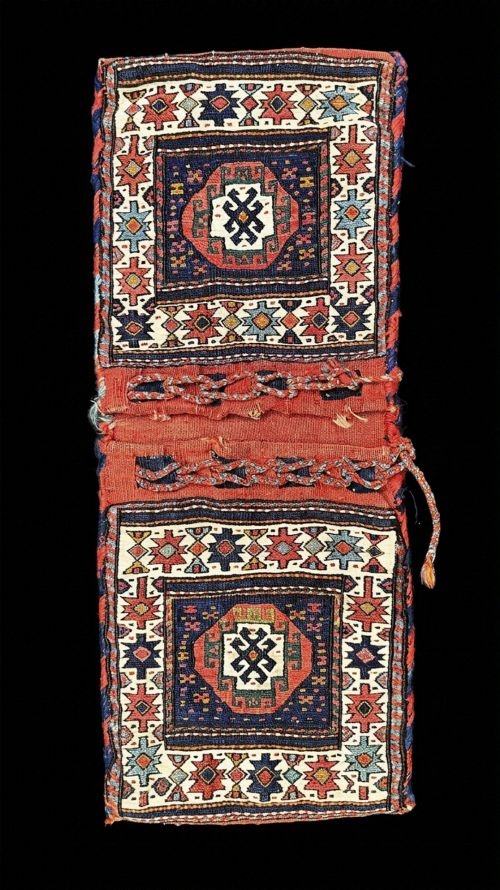
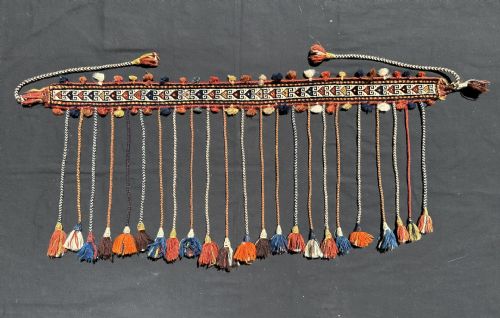
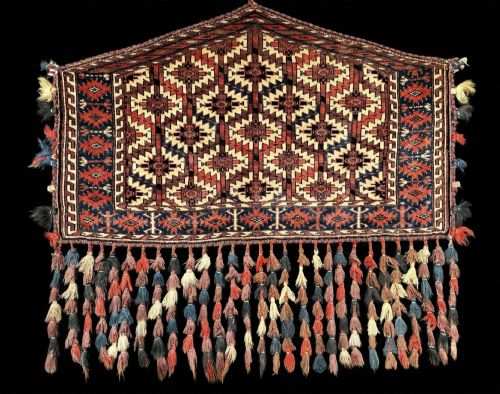
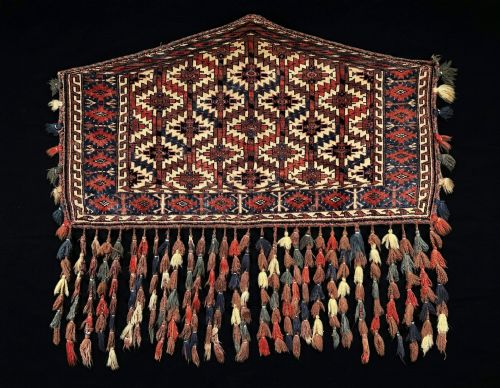
The objects include woven trapping pieces,asmalyks, torbas, and flatweave mafrash bags created by nomads across Central Asia and Persia. Alongside these nomadic weavings, you find framed watercolours, miniature paintings, and carved bowenite serpentine figures dating from the eighteenth century to the mid-twentieth century.
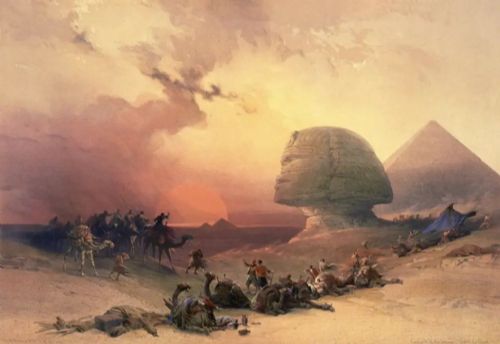
Victorian and twentieth-century European painters captured desert landscapes, Bedouin tribesmen, and Nile scenes, often depicting camels as central motifs of travel and trade. These artworks connect directly to regional craft histories, recording both nomadic utility and the outsider gaze of Orientalist artists.
Materials and construction
The textiles rely on natural dyes applied to wool, cotton, and occasionally silk highlights, woven using traditional tribal techniques on upright or horizontal looms. Flatweave designs, pile weavings, and embroidered faces require precise hand-knotting and stitching passed down through generations of nomadic weavers.
Paintings utilise oil or watercolour on canvas and paper, employing fine ink lines and pigments to render desert landscapes and figures with careful perspective. Carvings utilise bowenite serpentine, a hardstone shaped through meticulous abrasion and polishing to achieve smooth contours on figurative sculptures.
Camels in Art Retail Price Guide 2026
Typical asking prices for camels in art among the pieces listed under this phrase on Sellingantiques today, from the lower quarter to the upper quarter. They describe what is for sale here now, not the wider market.
Some nineteenth-century weavers included deliberate small irregularities in their tribal patterns to ward off the evil eye and ensure safe desert journeys.
Evaluating quality and execution
Quality in the textiles depends on the tightness of the knotting, the brilliance and stability of the natural dyes, and the preservation of the original borders and flatweave structures. Finer pieces display crisp geometric patterns, intricate silk or embroidered highlights, and minimal structural repairs.
In paintings and carvings, quality rests upon the draughtsmanship, the expressive capture of the animal and human figures, and the depth of detail in the surrounding landscape. Superior hardstone carvings demonstrate masterly control over difficult mineral material, while paintings show confident brushwork and balanced composition.
The Camels in Art Glossary
- Asmalyk
- A pentagonal trapping used on wedding camels among Turkmen tribes, particularly the Yomut. These decorative hangings were mounted on the flanks of the bridal camel during marriage processions.
- Torba
- A small storage bag produced by Turkmen and other Central Asian tribes for domestic use inside the tent. They frequently feature gul motifs and banded flatweave designs.
- Bowenite
- A hard, compact variety of serpentine mineral often used for Chinese carvings. It exhibits a translucent apple-green or yellowish hue resembling jade.
- Orientalism
- An artistic movement during the nineteenth century where Western painters depicted Middle Eastern and North African subjects. These works often emphasised desert landscapes, bazaars, and local inhabitants.
- Mafrash
- A rectangular storage sack or bedding bag woven in flatweave technique by nomadic groups. They were used in pairs for transporting household goods during migrations.
Camels in Art: Frequently Asked Questions
How do I identify Turkmen weavings?
Turkmen weavings are recognised by their predominant use of deep red and madder dye grounds combined with repeated geometric octagons known as guls. Different tribes, such as the Yomut, Teke, and Ersari, utilised specific border designs and weaving structures.
Many of these pieces also incorporate structural elements like asymmetric knots, flatweave ends, and occasional silk highlights that set them apart from Persian or Caucasian rugs.
What does Orientalist painting depict?
Orientalist painting encompasses nineteenth-century European and American artworks representing subjects from North Africa, the Middle East, and Asia. Artists captured local architecture, desert caravans, Bedouin daily life, and Nile river scenes.
These watercolours and oil paintings reflect Western fascination with foreign landscapes, recording contemporary observations of travel and trade routes.
How should I care for antique textiles?
Antique textiles require protection from direct sunlight to prevent natural dyes from fading over time. Regular gentle vacuuming with a mesh screen protects the wool fibres from dust accumulation.
If hanging a textile on a wall, use a professional mounting system that distributes the weight evenly across the entire upper edge rather than pinning or nailing the fabric directly.