
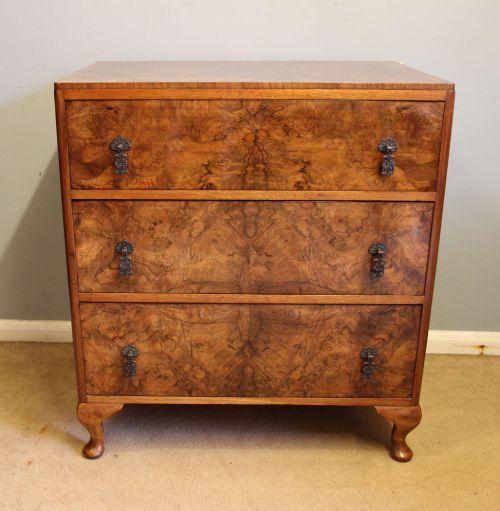
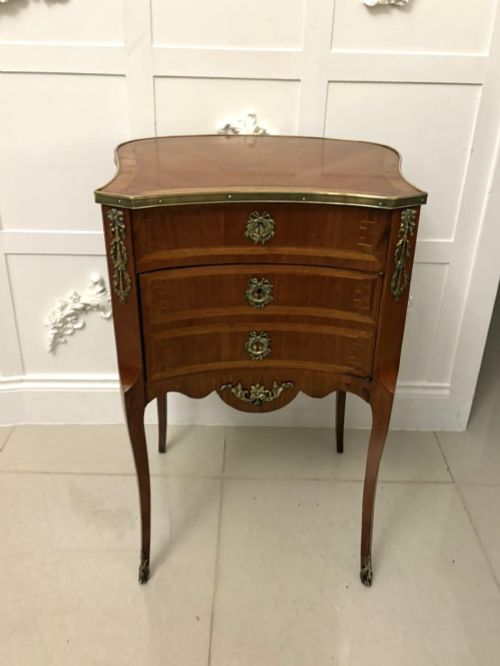
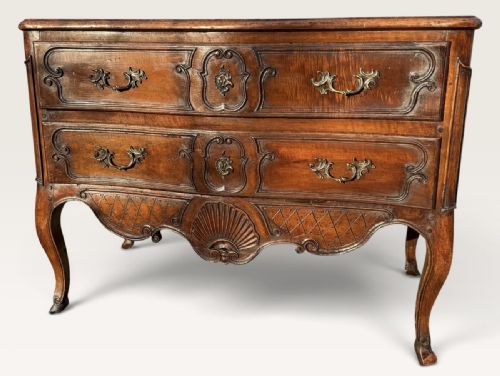
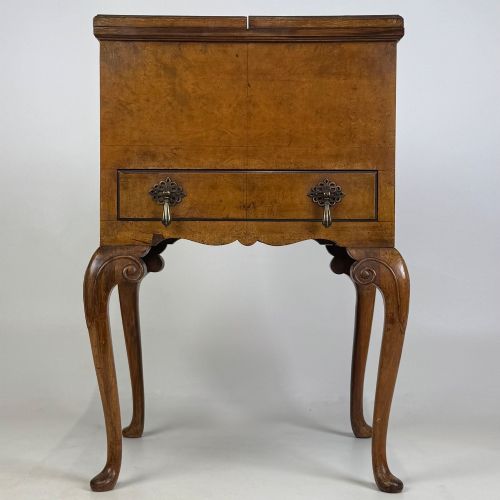
Cabriole Leg Walnut Chest
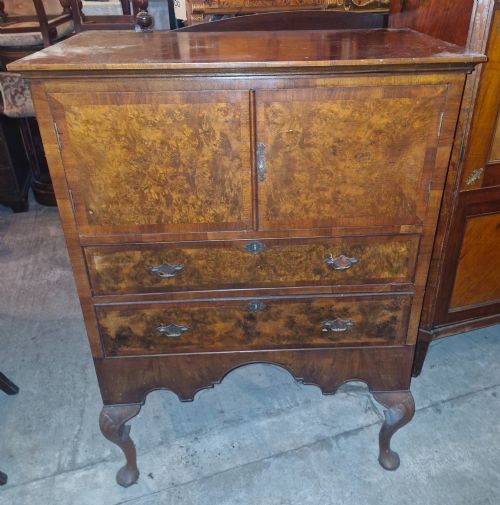
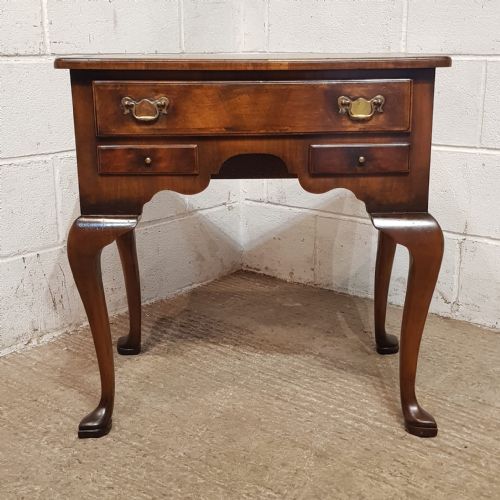
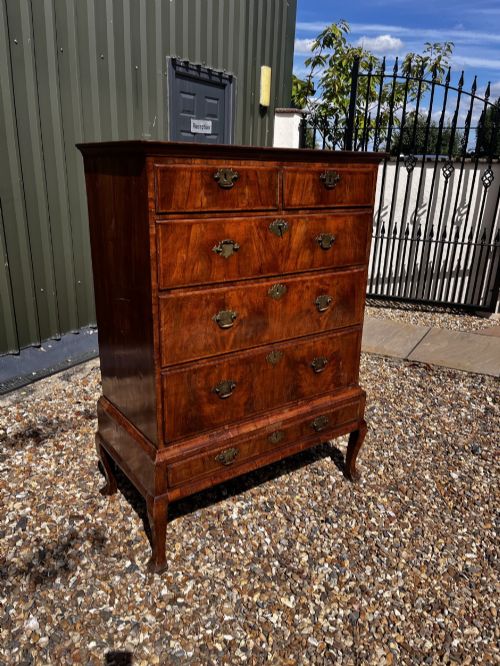
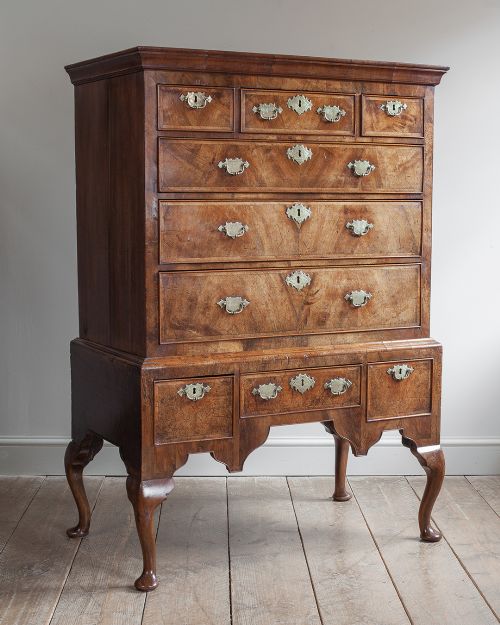
A cabriole leg walnut chest brings fluid eighteenth-century curves and rich timber grain to an interior.
Cabriole Leg Walnut Chest
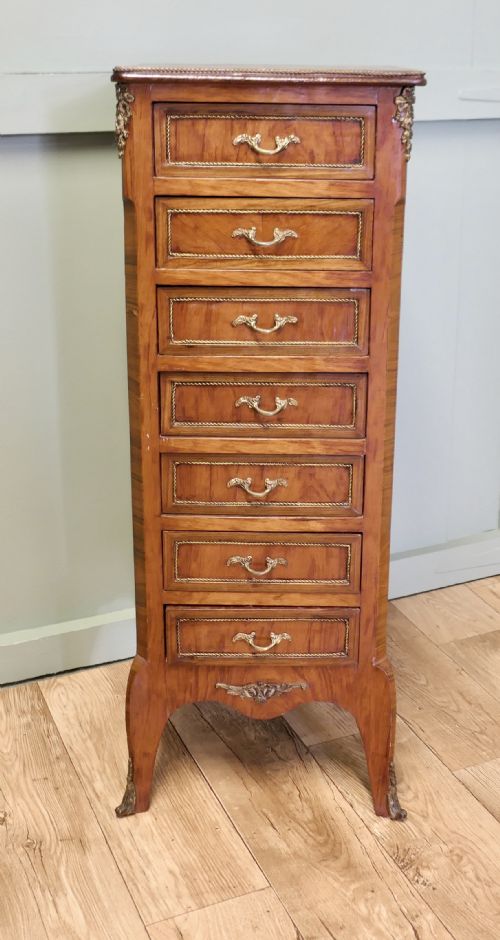
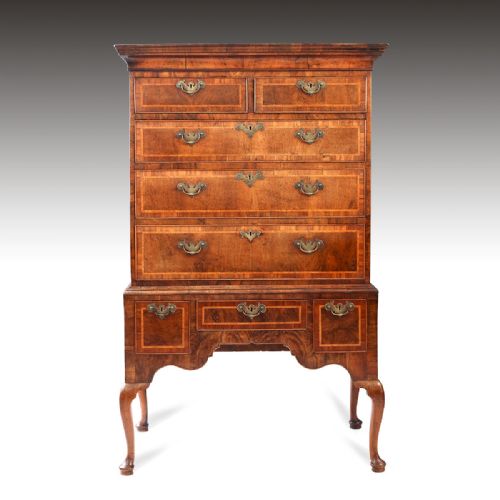
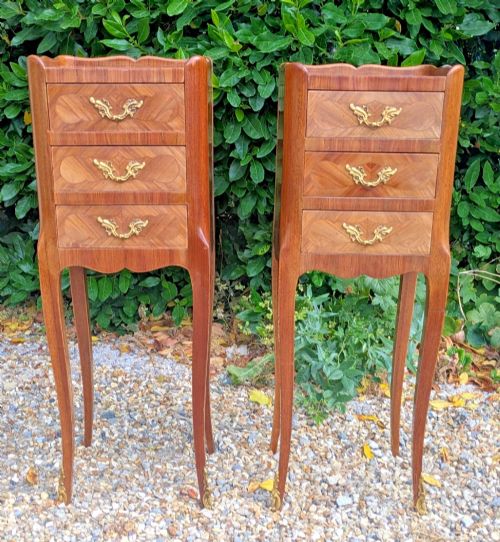
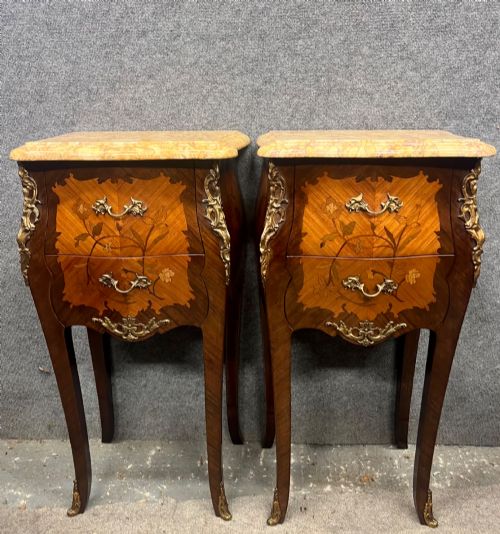
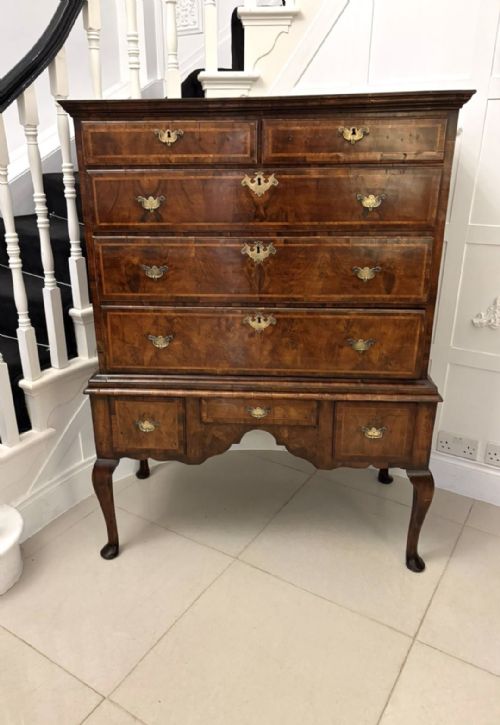
A cabriole leg walnut chest encompasses everything from formal eighteenth-century chests on stand to twentieth-century revival tallboys and bedside cabinets. Buyers searching for a cabriole leg walnut chest encounter distinct regional interpretations, ranging from native British George II designs to continental French commodes and Edwardian reproductions.
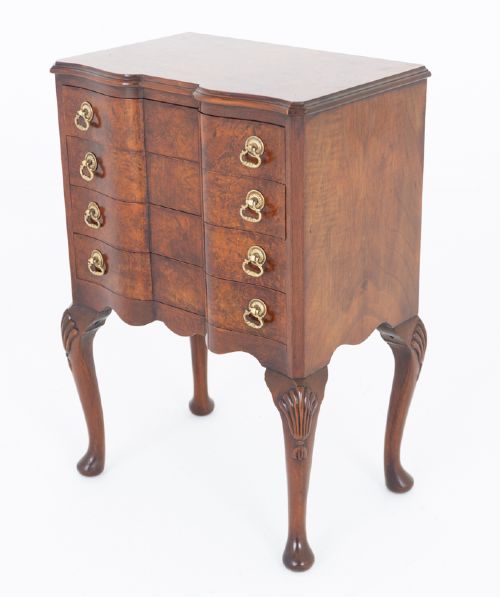
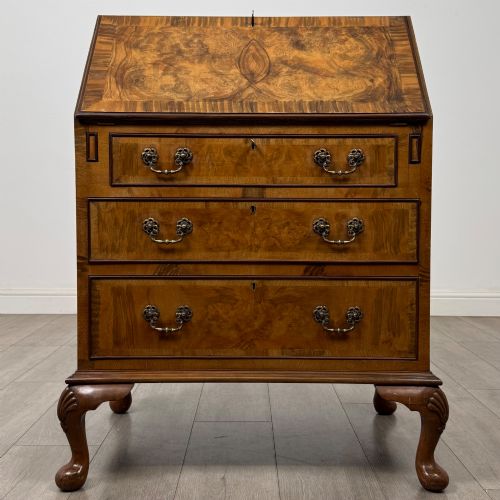
The core of the selection spans centuries of cabinetmaking, featuring walnut veneer, burr walnut, and solid timber. Forms vary from lowboys and compact lamp tables to tall chests and serpentine commodes, united by the characteristic double-curved leg.
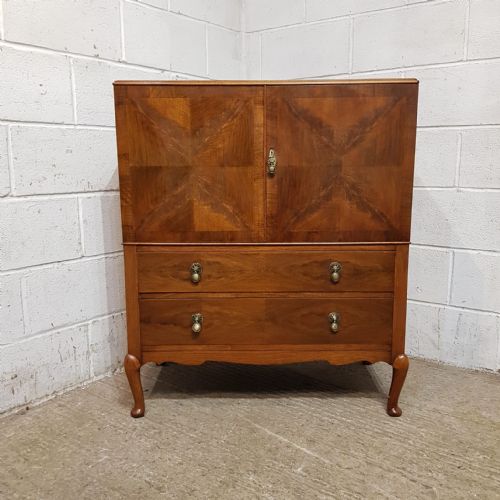
Period examples sit alongside pieces from the Edwardian era and the 1920s and 1930s revival periods. Buyers find both simple drawer configurations and complex two-piece tallboys resting on graceful supports.
Assessing the standard
Quality reveals itself in the handling of the timber and the crispness of the carving on the knee and foot of the leg. Finer pieces display carefully matched burr walnut veneers that mirror across drawer fronts, whereas lesser examples show abrupt grain transitions.
The harmony of the proportions dictates the standing of a piece. Early walnut chests on stands demonstrate an integrated design where the curves of the base complement the carcase above, distinguishing them from later adaptations.
Several bedside cabinets arrive with secret internal compartments designed for midnight valuables.
The Cabriole Leg Walnut Chest Glossary
- Cabriole leg
- A furniture leg that curves out at the knee and tapers in at the ankle, mimicking an animal's natural limb. This form terminates in a pad, foot, or claw.
- Burr walnut
- Wood taken from a tree growth or wart, yielding complex, swirling grain patterns. Cabinetmakers prize this timber for highly decorative veneer panels.
- Chest on stand
- A two-part form comprising an upper chest of drawers mounted on a separate support frame with legs. This configuration elevates storage furniture off the floor.
- Marquetry
- The art of applying pieces of veneer to a structure to form decorative patterns and pictures. Craftsmen use various tinted woods to achieve pictorial depth.
- Serpentine front
- A furniture front curved with a convex centre flanked by concave ends. This shape requires advanced woodworking skill to shape timber and drawers accurately.
Cabriole Leg Walnut Chest: Frequently Asked Questions
How do I date a walnut chest?
Dating relies on construction methods, timber choice, and hardware. Earlier pieces exhibit hand-cut dovetails and native oak linings, while later revivals utilise twentieth-century machinery marks and standardised fixings.
Secondary woods and finishing techniques also point to specific decades. Comparing the carcass construction against known period examples clarifies the manufacturing era.
What is a walnut tallboy?
A tallboy is a tall chest of drawers, often constructed in two sections with a chest sitting upon a base or lower cabinet. This form maximises vertical storage while occupying a modest floor footprint.
In walnut, these pieces often feature matching burr veneers across multiple graduated drawers. They combine wardrobe capacity with the drawer organisation of a traditional chest.
Are these pieces solid walnut?
Most walnut furniture incorporates veneers applied over a stable secondary timber such as oak or pine. This technique prevents the expensive decorative face wood from warping.
Solid walnut appears more frequently in structural elements like legs, frames, and mouldings. The combination ensures both decorative impact and long-term durability.
How do I care for walnut furniture?
Walnut requires protection from direct sunlight and extreme humidity fluctuations to prevent veneer cracking and timber drying. Regular dusting with a soft, dry cloth preserves the polished surface.
Occasional application of appropriate wax feeds the timber and maintains its natural lustre. Avoid placing hot items or liquids directly onto the wood.