
Cabriole Leg Dining Set
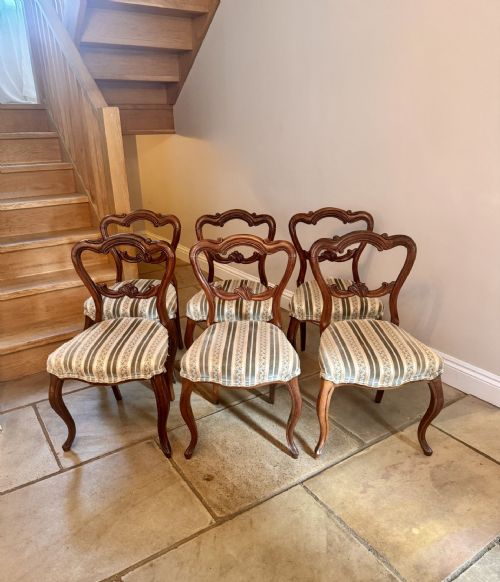
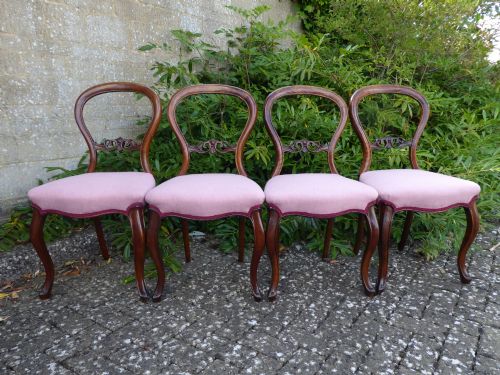
When you search for a cabriole leg dining set, you are looking at matched groupings of chairs defined by their curving, double-S shaped supports.
Cabriole Leg Dining Set
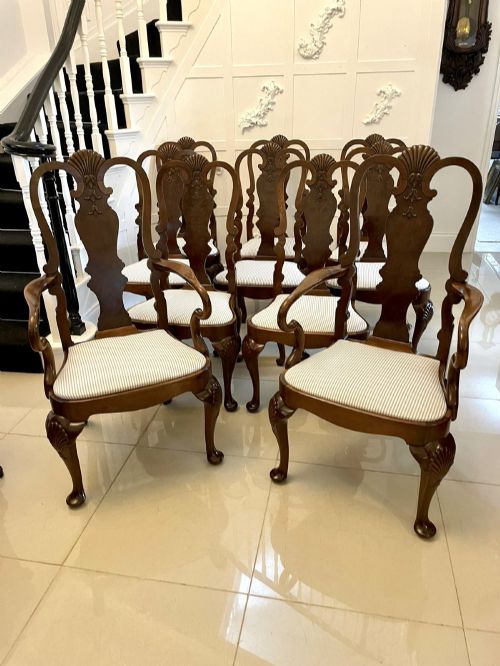
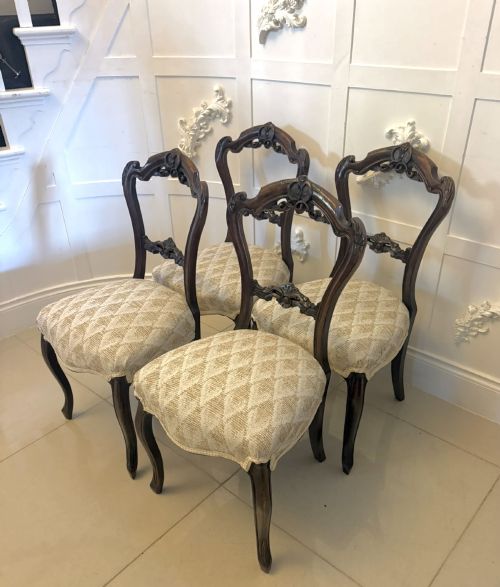
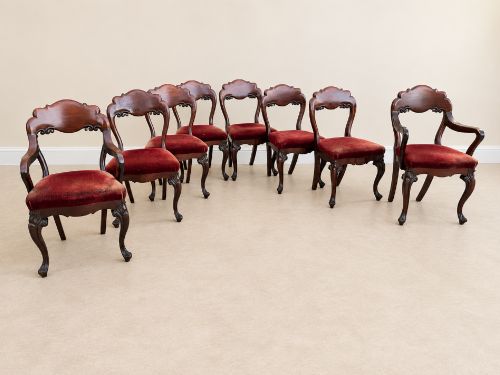
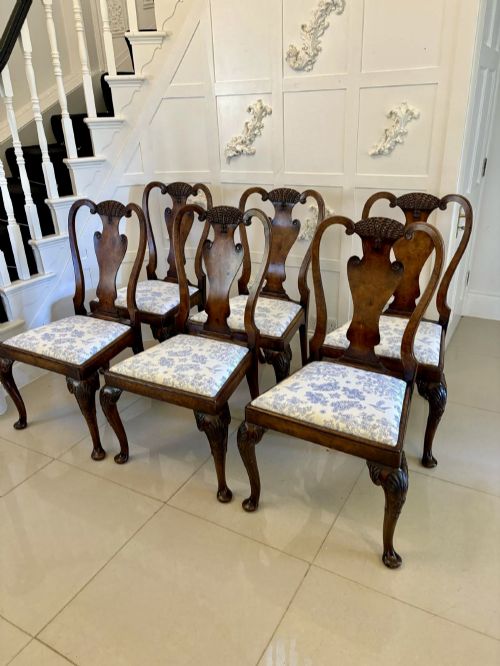
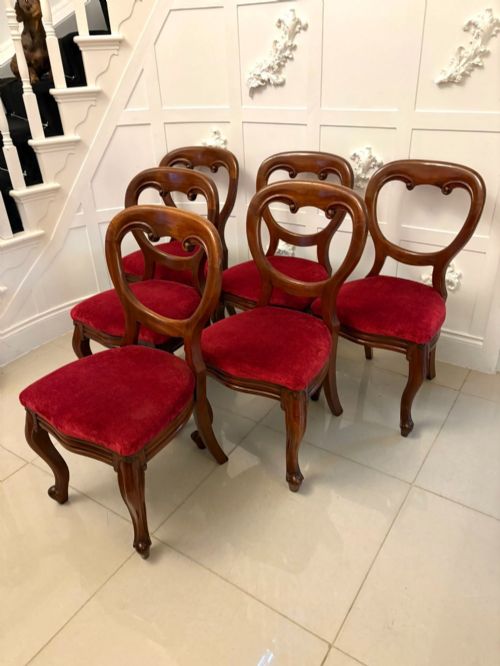
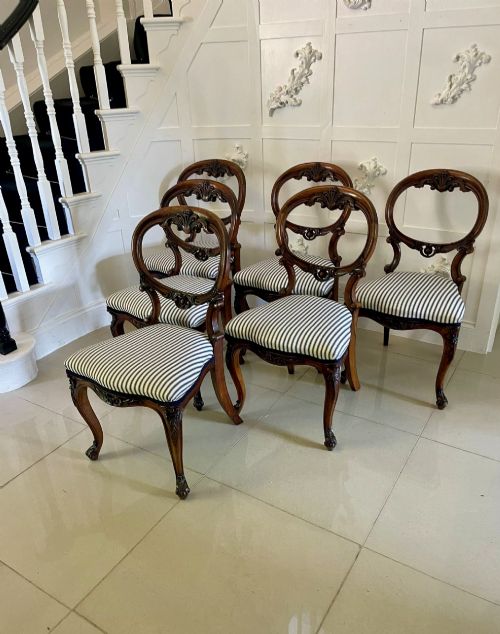
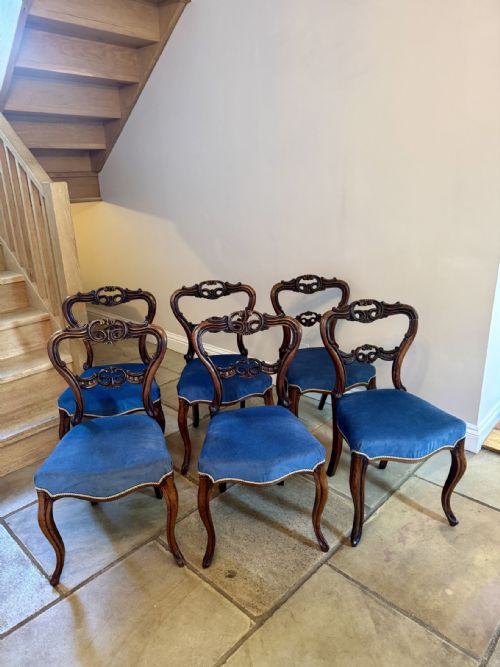
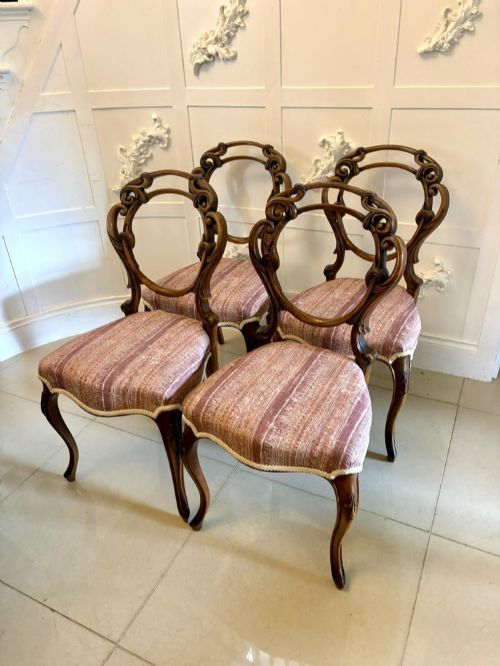
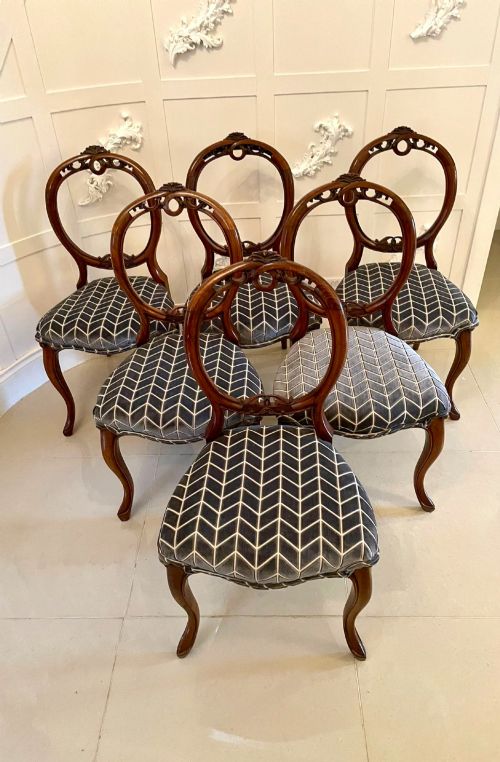
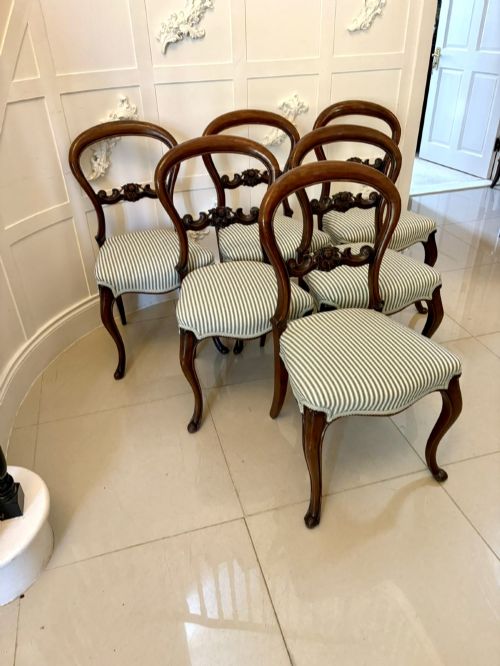
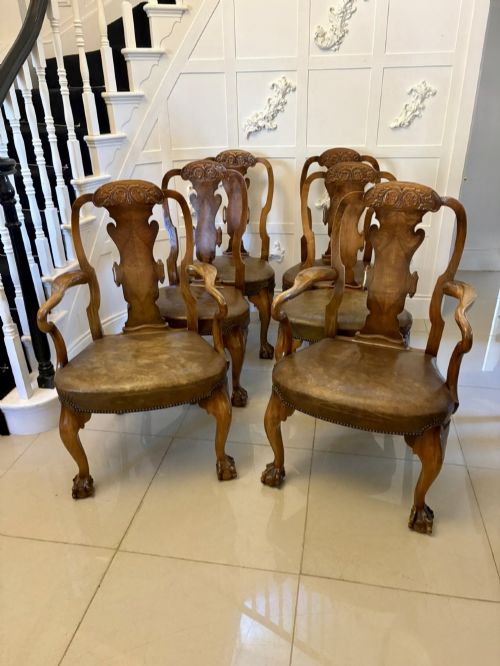
A cabriole leg dining set consists of matched seating configurations resting upon distinctively curving supports that sweep outward at the knee and taper inward toward the foot. These sets predominantly appear in Victorian, Edwardian, and early twentieth-century iterations, spanning revival periods that emulate earlier George II and Queen Anne designs.
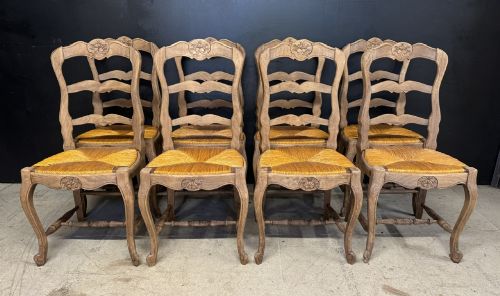
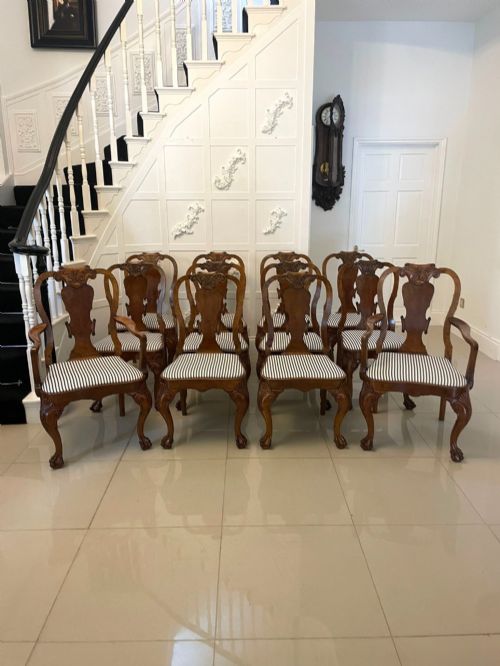
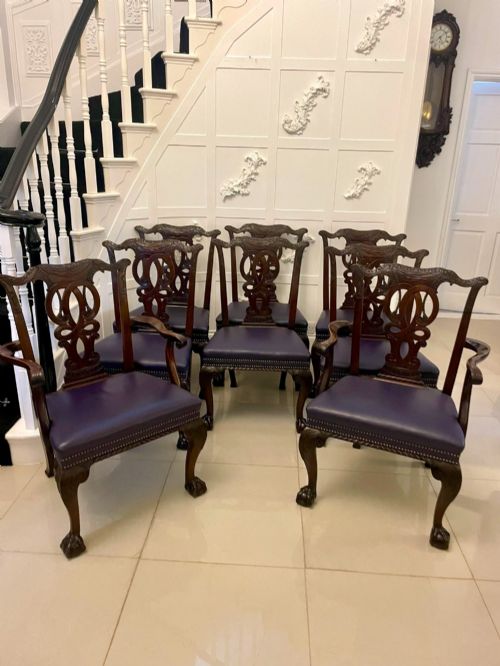
The configurations on this page typically present as sets of four, six, eight, ten, or twelve matching chairs, occasionally accompanied by coordinating sideboards and buffets. Walnut and mahogany form the structural backbone of these groupings, often paired with upholstered, velvet, fabric, or leather drop-in or overstuffed seats.
Materials and construction methods
Cabinetmakers constructed these seating sets using dense hardwoods such as mahogany, walnut, rosewood, and oak, selecting timber capable of supporting the curved profile of the leg without compromising structural integrity. The signature curving supports were carved directly from the solid framing timber or shaped carefully to ensure the grain followed the sweeping contours.
Joinery techniques relied heavily upon mortise and tenon joints to secure the seat frames and backrests, ensuring durability under daily use. Seats were webbed and stuffed using traditional textiles, horsehair, or modern upholstery materials, then finished with fabric, leather, or tapestry covers secured by tacks or decorative braiding.
Listings feature dining sets spanning from the mid-nineteenth century through the Edwardian era and into the 1930s.
Distinctions in craftsmanship and design
The standard of a cabriole leg dining set rests upon the depth and crispness of the hand-carved detail found on the knees and feet, such as ball and claw motifs, rather than mass-produced uniformity. Timber selection heavily influences the overall character, with figured burr walnut and richly grained mahogany achieving a more unified and decorative visual weight across a large set.
The structural integrity of the curved supports remains paramount, as poorly executed timber shaping weakens the grain along the arch. Matching continuity across an entire set of ten or twelve chairs separates standard utility furniture from finer dining suites produced by notable workshops.
Warings
The Cabriole Leg Dining Set Glossary
- Cabriole leg
- A furniture support that curves outward at the knee and tapers inward toward the ankle, ending in a pad, scroll, or claw foot.
- Balloon back
- A rounded, oval-shaped chair back popular during the nineteenth century, frequently paired with curving supports.
- Ball and claw
- A foot motif carved to resemble a bird's talon gripping a spherical object, commonly seen on eighteenth-century revival pieces.
- Overstuffed seat
- An upholstered chair base where the padding extends completely over the wooden seat rails, concealing the frame.
- Carver
- An armchair designed with armrests, traditionally placed at the head of a dining table alongside matching side chairs.
Cabriole Leg Dining Set: Frequently Asked Questions
How many chairs come in a typical set?
Sets generally range from four to twelve chairs, though larger groupings of sixteen or twenty appear in larger dining arrangements.
Buyers frequently encounter sets of six or eight chairs, which suit standard dining tables without overcrowding the room.
What woods were used for these dining sets?
Cabinetmakers primarily utilised mahogany, walnut, and rosewood for their durability and rich grain patterns. Oak also appears in specific revival groupings.
These dense timbers provided the structural strength required to shape the sweeping contours of the lower supports.
How do I care for antique upholstery?
Maintenance depends on whether the fabric is original tapestry, leather, or modern replacement textile. Regular gentle dusting preserves the surface fibres.
Avoid placing dining sets in direct sunlight to prevent the upholstery fabric and polished wood finishes from fading over time.
Are these dining sets suitable for daily use?
Most Edwardian and Victorian dining sets were built for sustained domestic use with sturdy hardwood frames and robust joinery. Checking the stability of the joints ensures safe everyday seating.
Periodic professional maintenance of the seat webbing and upholstery keeps the chairs supportive and comfortable for regular meals.