


Cabochon Stone Ring
A cabochon stone ring uses an unfaceted, rounded gem to catch the light on the finger.
Cabochon Stone Ring
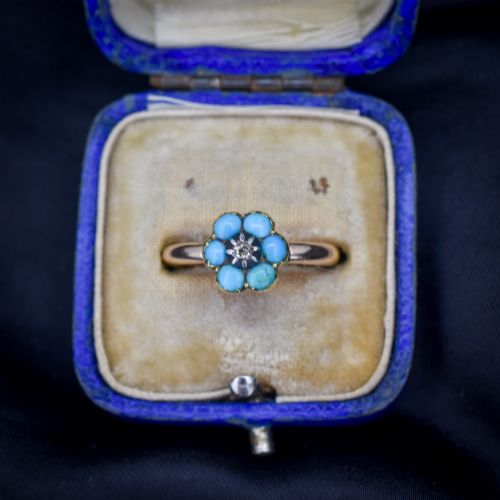
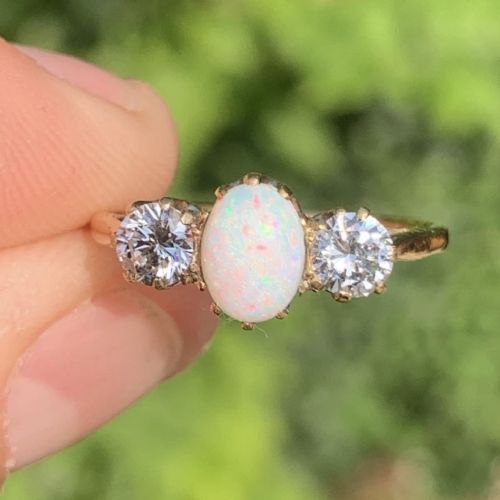
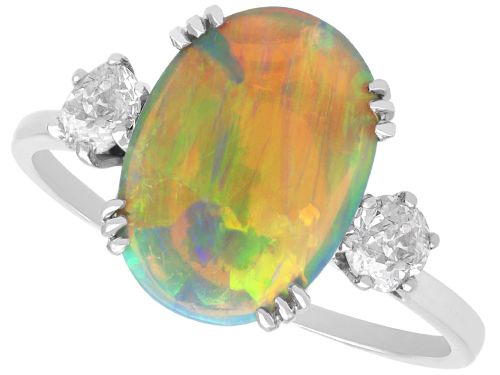
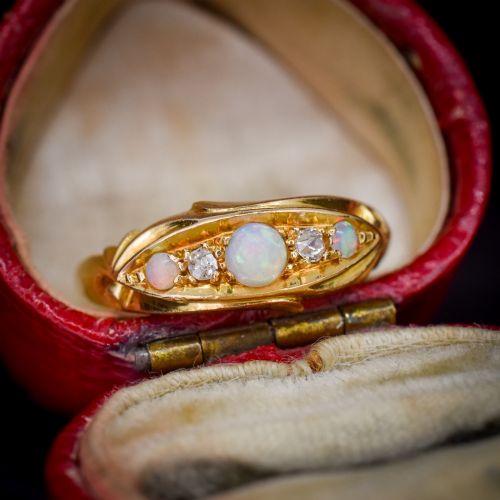
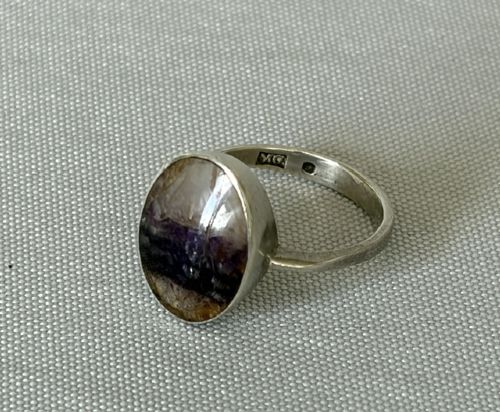
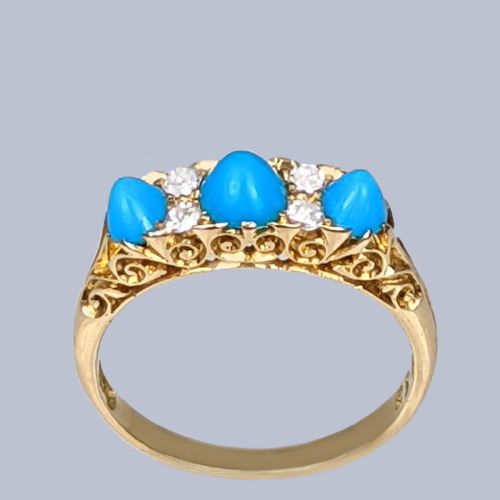
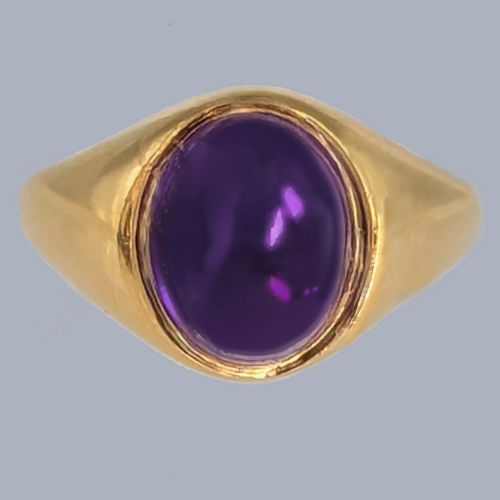
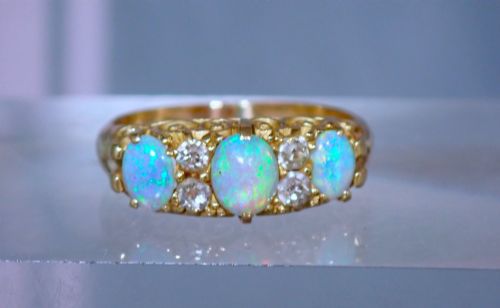
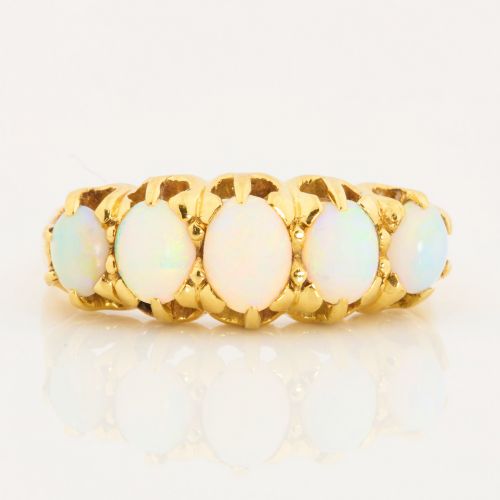
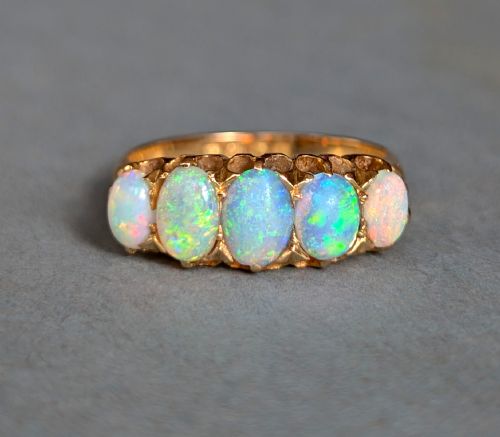
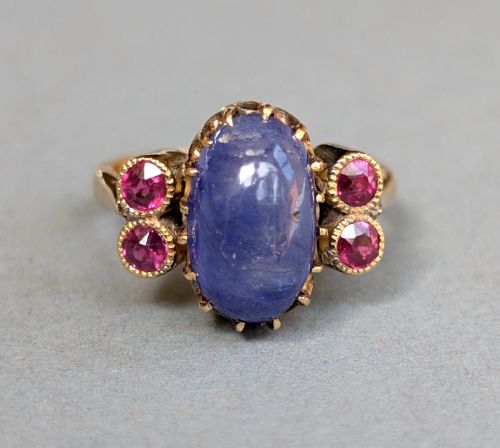
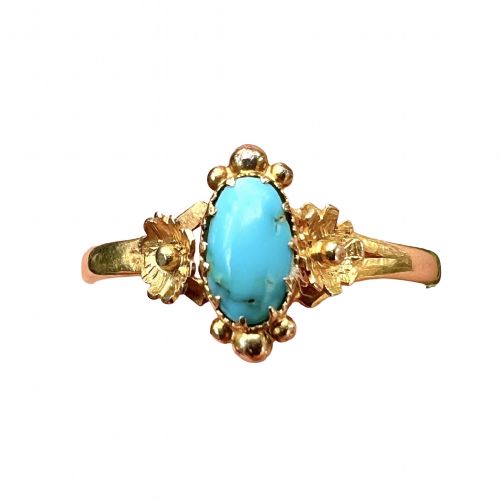
A cabochon stone ring centres on a polished, dome-shaped gem rather than a faceted one, offering a smooth tactile surface that reveals the natural depth of the material. When searching for a cabochon stone ring, buyers encounter pieces ranging from Georgian and Victorian turquoise or carnelian designs to Edwardian opal and diamond clusters.
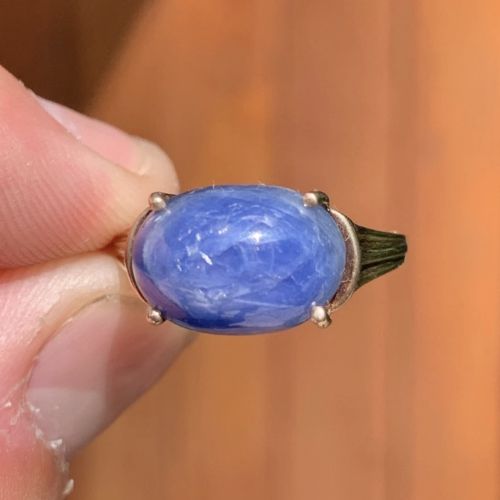
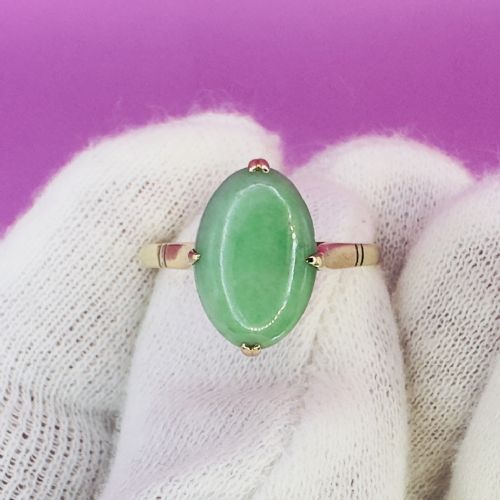
The selections span distinct eras including Art Deco sapphire pieces and mid-century amethyst or jadeite rings. These take forms such as simple solitaires, boat rings, multi-stone trilogy settings, and larger cocktail rings.
Originating across the eighteenth, nineteenth, and twentieth centuries, these rings showcase how jewellers selected smooth-cut stones for specific visual qualities. The domed profile alters how light interacts with the interior of the gem, particularly in stones displaying play-of-colour or inclusions.
Materials and construction
Metals employed in these pieces include yellow gold, rose gold, white gold, platinum, and silver, varying from nine carat up to eighteen carat standards. Jewellers secured the domed gems using standard settings, bezels, or claw mounts, frequently pairing the central cabochon with diamond accents.
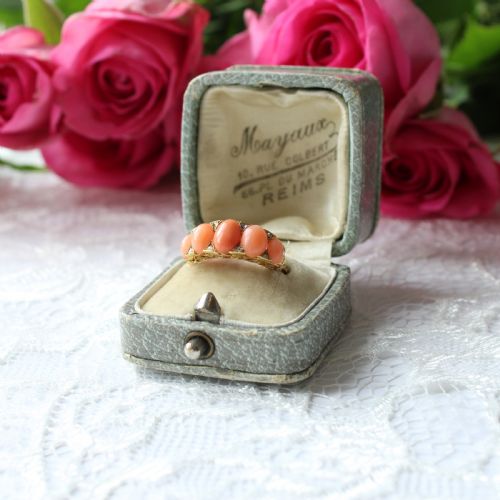
Stones such as opal, turquoise, jade, amethyst, sapphire, and coral were shaped into smooth domes by hand. The underlying structure often incorporates intricate gallery work, pierced shoulders, or clustered arrangements that support the rounded profile of the primary gem.
Cabochon Stone Ring Retail Price Guide 2026
Typical asking prices for cabochon stone ring among the pieces listed under this phrase on Sellingantiques today, from the lower quarter to the upper quarter. They describe what is for sale here now, not the wider market.
Some Victorian turquoise rings include tiny gold stars pinned directly into the soft blue stone.
Quality and execution
Superior examples demonstrate precision in the symmetry and polish of the dome, ensuring the stone sits securely within its mount without excessive adhesive or uneven metalwork. The integration of supporting diamonds and the weight of the gold or platinum chassis define the structural integrity of the piece.
The natural character of the central cabochon dictates the overall standard, where uniformity of colour, desirable internal patterns, and minimal natural matrix flaws elevate the piece. Maker attention to proportions ensures the rounded stone balances harmoniously with the finger and the surrounding metal.
The Cabochon Stone Ring Glossary
- Cabochon
- A gemstone shaped and polished with a smooth, rounded dome rather than flat facets. This cut highlights optical phenomena like chatoyancy or colour play.
- Trilogy ring
- A ring featuring three primary stones set in a row, often symbolising the past, present, and future. They frequently combine a central cabochon with flanking diamonds.
- Boat ring
- A ring featuring a navette or boat-shaped setting that curves across the finger. This style was popular during the Georgian and Victorian periods.
- Cluster ring
- A design where a central stone is surrounded by a border of smaller gems, typically diamonds. This arrangement maximises visual impact on the hand.
- Matrix
- The natural rock or material in which a gemstone is embedded, often visible within turquoise, opal, or dendrites. It adds unique character to the finished cabochon.
Cabochon Stone Ring: Frequently Asked Questions
How do I care for my ring?
Care depends entirely on the specific gemstone set into the piece, as softer materials require gentle handling. Avoid exposing delicate stones like opal or turquoise to harsh chemicals, ultrasonic cleaners, or sudden temperature changes.
Store the ring separately from harder diamond or platinum pieces to prevent scratching the smooth surface of the dome.
How do I date these rings?
Dating relies on examining the metal hallmarks, the style of the setting, and the overall construction techniques used by the jeweller. Georgian and Victorian examples often feature closed-back settings or hand-engraved shanks, while Edwardian and Art Deco pieces favour platinum and geometric filigree.
Matching the stone cut and mounting style to documented historical periods provides a reliable estimate of age.
Were these rings worn daily?
Many historical rings served as daily wear, engagement tokens, or fashionable dress accessories depending on the era and the wearer's social standing. Durable stones like sapphire and heavy gold settings survived everyday use quite well.
Softer gems required more attentive wear, which explains why surviving antique examples often show varying degrees of gentle surface wear.