

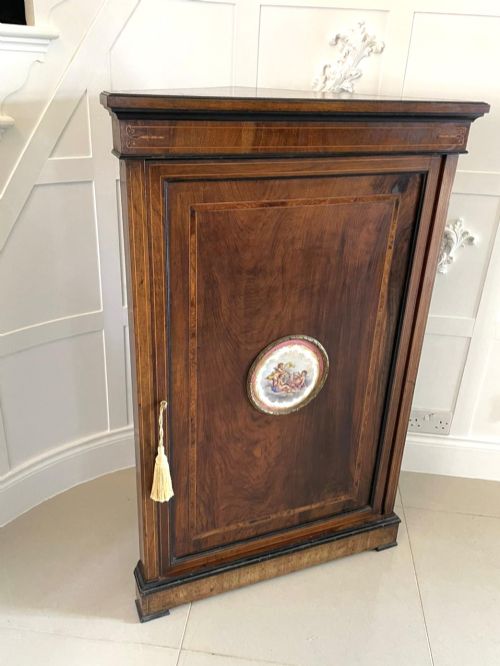
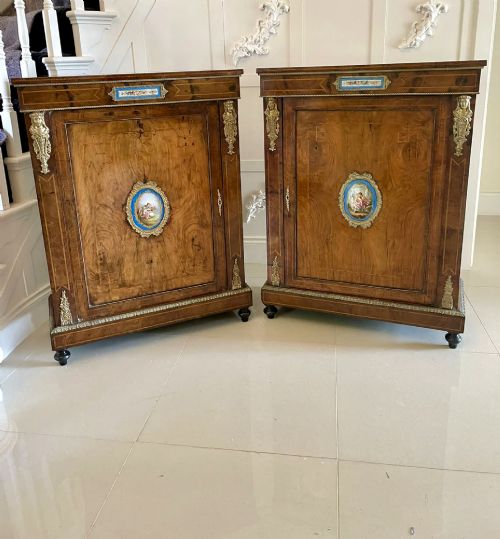
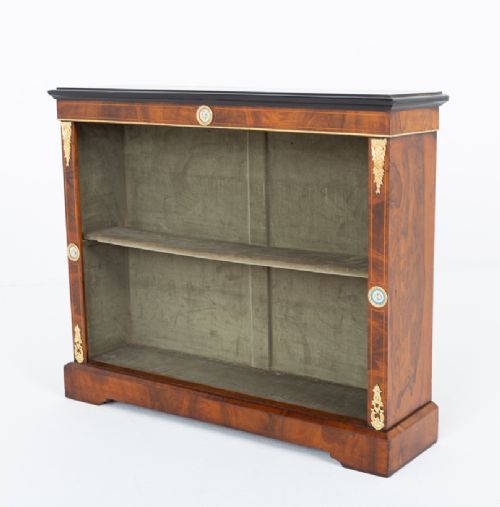
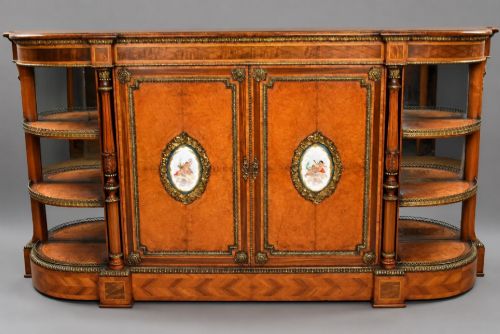
Cabinet with Porcelain Plaque
A cabinet with porcelain plaque brings together rich timbers and hand-painted ceramic panels to create a striking focal point for a formal interior.
Cabinet with Porcelain Plaque
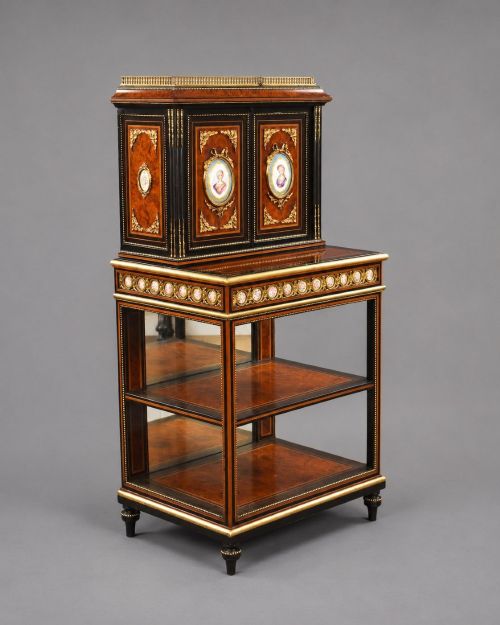
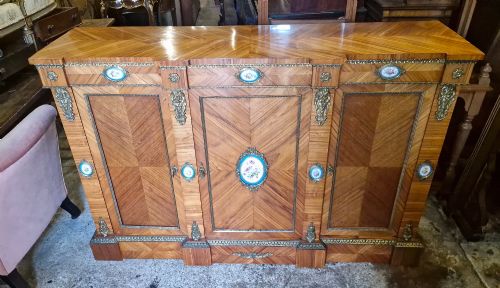
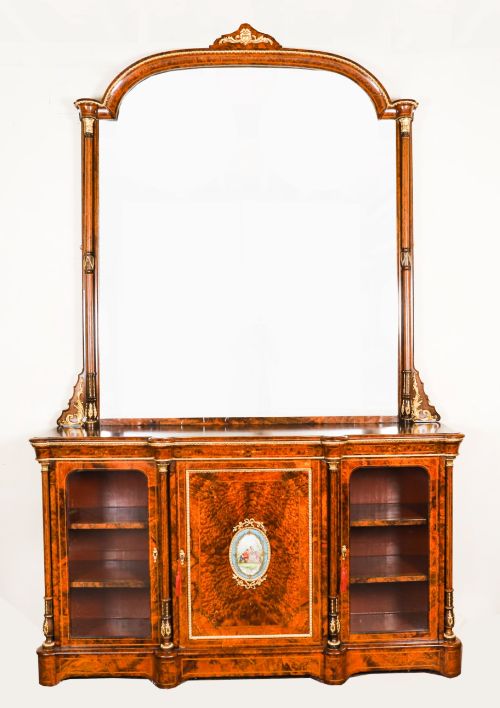
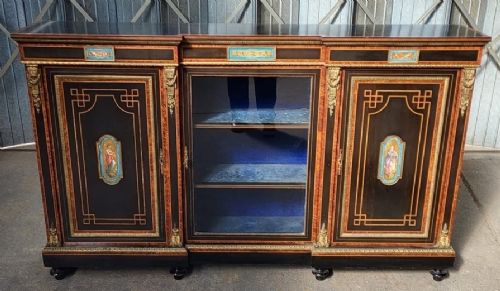
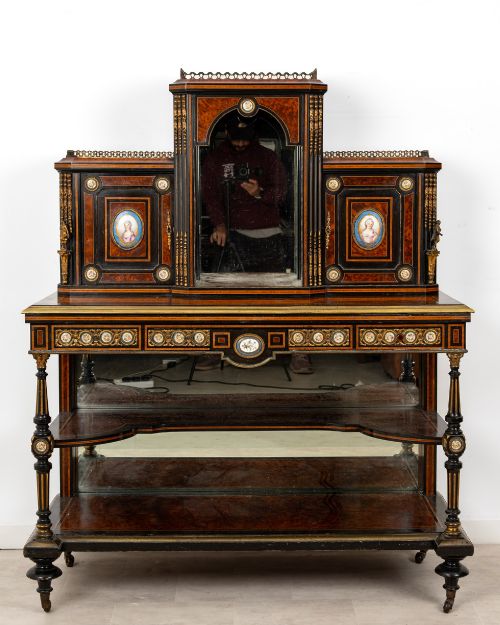
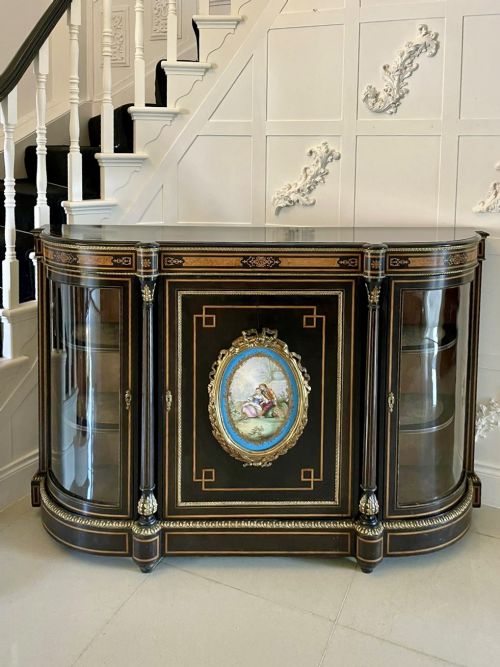
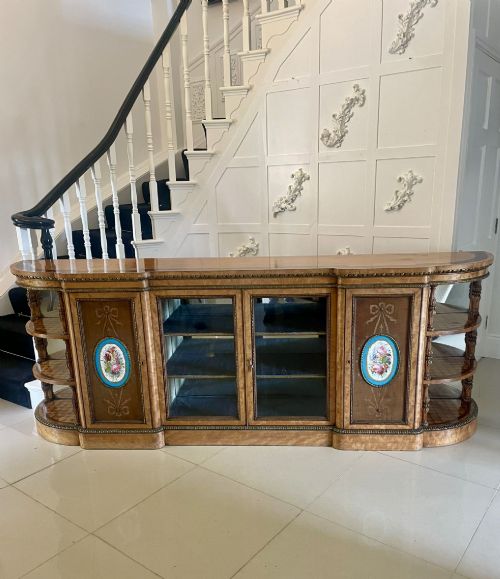
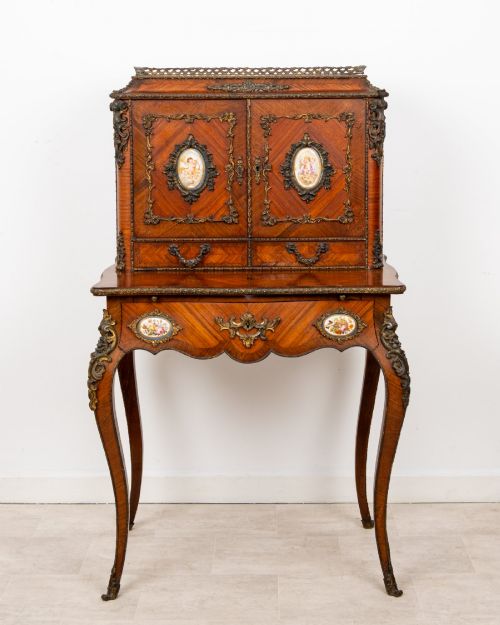
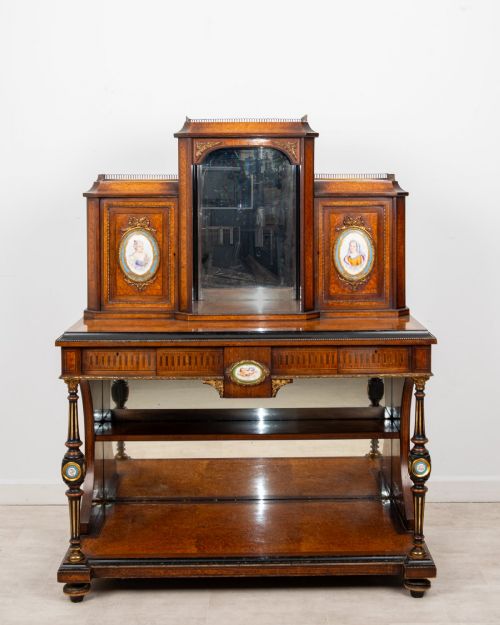
A cabinet with porcelain plaque combines fine cabinetry with glazed ceramic decoration, typically taking the form of side cabinets, credenzas, and writing desks known as bonheur du jour. These pieces emerge primarily from the nineteenth century, reflecting Victorian and French Revival tastes for ornate domestic furniture.
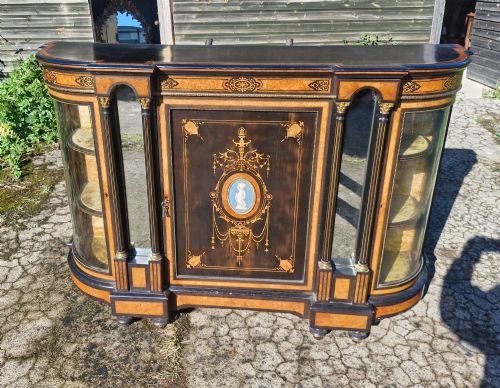
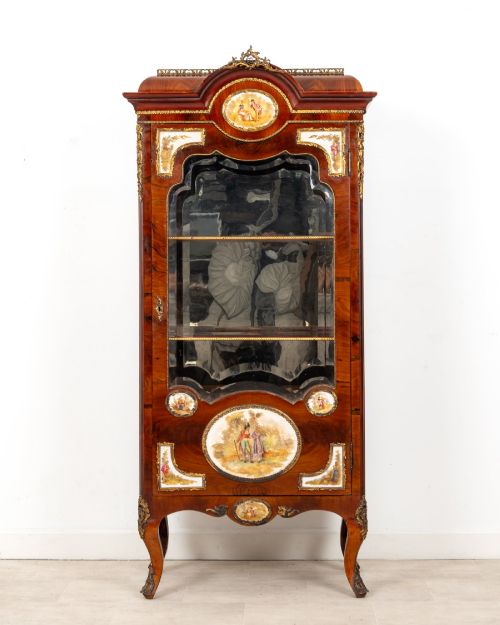
The most common examples on this page are French and English items utilising exotic timbers like burr walnut, kingwood, amboyna, and ebonised wood. They frequently incorporate gilt bronze or ormolu mounts alongside central Sevres or Sevres-style porcelain plaques.
Makers of this era employed these glazed panels as decorative centerpieces on doors, drop-front desks, and upstand backs. The integration of porcelain into wood furniture marks a distinct nineteenth-century enthusiasm for mixed-media craftsmanship.
How they were made
Craftsmen built the carcasses of these cabinets using dense native woods as a base, veneered meticulously with figured timbers like burr walnut, kingwood, and amboyna to create striking grain patterns. Ebonised finishes provided a dark, dramatic contrast, often highlighted with gilt details.
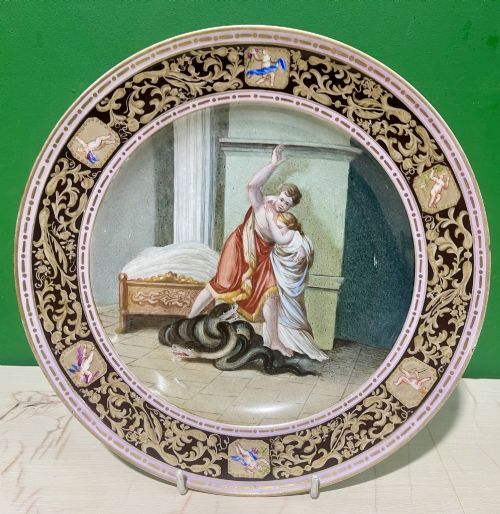
Ormolu mounts, cast in brass or bronze and gilded, were secured to the corners, borders, and feet to frame the woodwork and protect vulnerable edges. Porcelain plaques, many hand-painted with botanical or figurative subjects, were set flush into the wooden panels and secured from behind.
Cabinet with Porcelain Plaque Retail Price Guide 2026
Typical asking prices for cabinet with porcelain plaque among the pieces listed under this phrase on Sellingantiques today, from the lower quarter to the upper quarter. They describe what is for sale here now, not the wider market.
What varies in quality
The sophistication of the timber veneers and the intricacy of the grain selection dictate the underlying merit of the cabinetwork. Finer pieces demonstrate seamless matching of burr walnut or exotic hardwoods across expansive surfaces.
The artistic execution of the porcelain plaque itself creates a clear distinction across the range, with delicate hand-painted botanical details and fine kiln-fired gilding elevating certain panels above standard factory output. The weight, chiselling, and fire-gilding of the accompanying ormolu mounts similarly separate standard production from superior workshop commissions.
The Cabinet with Porcelain Plaque Glossary
- Ormolu
- Gilded bronze or brass mounts used extensively in nineteenth-century furniture decoration. This technique involves applying a gold amalgam to a bronze base before heating.
- Bonheur du jour
- A small, light writing desk with a cabinet or superstructure on the top. These pieces typically feature small drawers, shelves, and a fitted writing surface.
- Credenza
- A side cabinet or sideboard originating in Renaissance Italy and revived in the nineteenth century. They often feature central cupboards flanked by curved glass display doors.
- Sevres
- A famous French porcelain manufactory established in the eighteenth century. Pieces bearing these marks or styles are celebrated for their distinctive glazes and hand-painted designs.
- Kingwood
- A dense, heavy Brazilian timber with a violet-brown colour and dark striping. Cabinetmakers prized this wood for decorative veneering during revival periods.
Cabinet with Porcelain Plaque: Frequently Asked Questions
What is a cabinet with porcelain plaque?
These are nineteenth-century decorative storage pieces and desks featuring inset ceramic panels. They combine fine cabinet woods with glazed, hand-painted art.
Craftsmen integrated these ceramic plaques into door fronts and superstructures to add colour and texture to formal reception rooms.
Where were these cabinets made?
The pieces seen here stem primarily from nineteenth-century English and French workshops. French makers favoured kingwood and amboyna with elaborate ormolu mounts.
English cabinetmakers frequently utilised burr walnut and ebonised finishes to achieve a similar opulent aesthetic popular among wealthy Victorians.
How do I style a credenza at home?
A credenza or side cabinet provides a substantial surface for displaying lamps, sculptures, or decorative plates. Their low profiles make them ideal for living rooms and dining spaces.
Ensure the piece has adequate clearance from high-traffic walkways to protect the delicate ormolu mounts and veneered edges from accidental knocks.
How do I clean porcelain plaques on furniture?
Maintain the ceramic panels by dusting them gently with a dry, soft microfibre cloth. Avoid harsh chemical cleaners that can damage the painted surface or surrounding glaze.
Keep these cabinets away from direct sunlight and excessive humidity to preserve the stability of the wood veneers and the gilt mounts.