

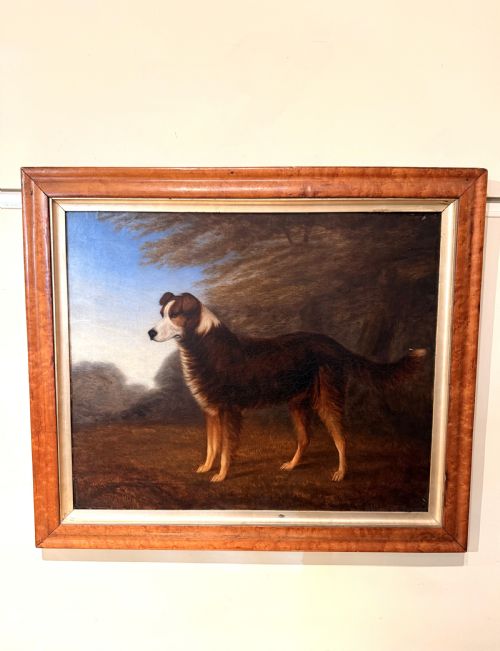
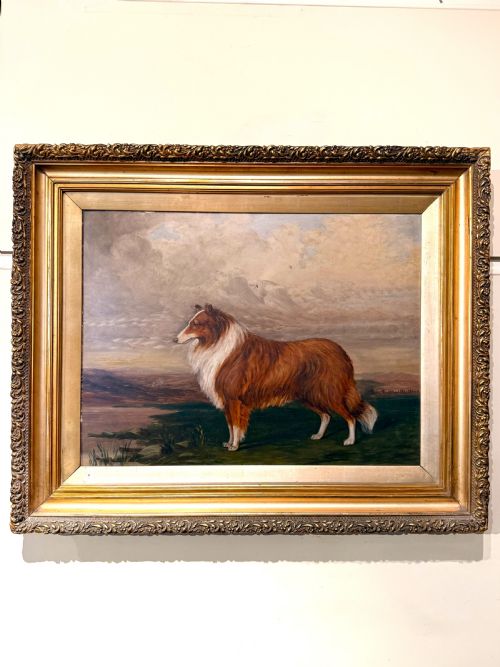
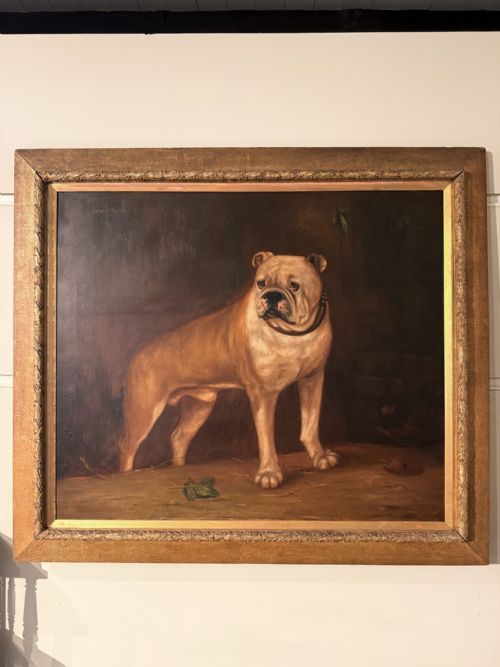


C19th Portrait Painting
A c19th portrait painting brings the gaze of the past directly into a room, offering striking likenesses executed on canvas, board, paper, or convex glass.
C19th Portrait Painting
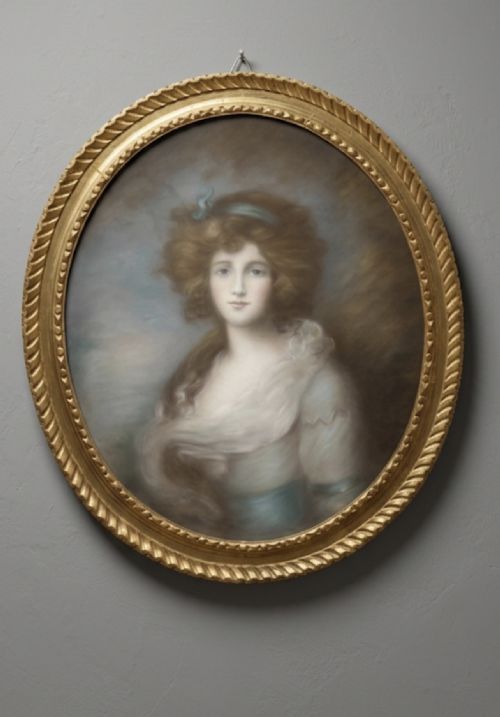
A c19th portrait painting represents figures from history, ranging from intimate miniature paintings to large framed works on canvas and board. These depictions capture human likenesses through various artistic lenses, reflecting both formal sitters and everyday individuals.
The versions most commonly met on this page include oil paintings on board or canvas alongside delicate pastels on paper and canvas. Examples span styles such as Victorian, Georgian, Regency, and 19th Century Continental work, sometimes featuring specific subjects or after notable artists.
Materials and methods
Artists of the period painted primarily with oil or pastel mediums applied to prepared canvas, wooden board, or paper supports. These materials were frequently housed within decorative frames adorned with gesso and giltwood.
Specialised techniques included the creation of chrystoleums beneath convex glass, combining hand-colouring with photographic prints. Miniature portraits required meticulous brushwork on small surfaces, while larger works relied on traditional layering of pigments.
C19th Portrait Painting Retail Price Guide 2026
Typical asking prices for c19th portrait painting among the pieces listed under this phrase on Sellingantiques today, from the lower quarter to the upper quarter. They describe what is for sale here now, not the wider market.
The selection includes regional styles ranging from Victorian and Georgian to Neoclassical and 19th Century Continental traditions.
Assessing quality
Framing also contributes significantly to the overall integrity of the piece, with original gesso and giltwood surrounds enhancing the visual impact. The choice of support, whether stable board, fine canvas, or specialist glass, influences the preservation of the artwork.
The C19th Portrait Painting Glossary
- Board
- A rigid wooden or composite panel used as a flat substrate for oil painting. It provides a stable surface alternative to stretched canvas.
- Pastel
- A dry drawing medium composed of powdered pigment and a binder, frequently worked on paper or canvas. It yields soft, velvety textures and subtle colour blending.
- Chrystoleum
- A method of applying hand-colouring to a photograph placed beneath convex glass. This technique creates a luminous, three-dimensional visual effect.
- Gesso
- A plaster-like mixture applied to wooden frames as a base for moulding and gilding. It allows for intricate decorative relief work.
- Miniature painting
- A small-scale portrait executed with fine detail. These works were often designed for private viewing or portable display.
C19th Portrait Painting: Frequently Asked Questions
What is a c19th portrait painting?
It is an artwork depicting a person or group created during the nineteenth century using mediums such as oil, pastel, or water-based colours.
These pieces range from grand oil paintings on canvas to intimate miniatures and pastel studies.
How do I display these portraits?
Portraits benefit from placement on walls with stable light levels away from direct sunlight to protect pigments and gilt frames.
Matching the frame style, such as giltwood or simple moulded borders, to your room helps integrate the piece.
What materials were used?
Common supports include canvas, wooden board, paper, and convex glass for specialist formats like chrystoleums.
Surrounds often feature gesso and giltwood construction to complement the artwork within.
How do I identify the style?
Stylistic indicators include the sitter's clothing, hair styling, and the overall artistic convention of the period, spanning Victorian, Georgian, and Regency aesthetics.
Continental influences and folk art traditions also shape the visual characteristics of individual pieces.