








C19th Occasional Table
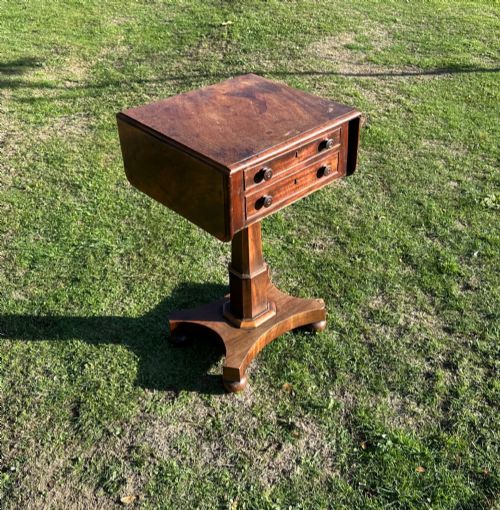
A c19th occasional table is a small, moveable piece designed for lamps, drinks, or games, offering both utility and distinct period character.
C19th Occasional Table
When you search for a c19th occasional table, you encounter a diverse group of small, moveable furnishings that served specific domestic duties across nineteenth-century parlours and drawing rooms. These items span simple tripod wine tables, nested sets, and low plant stands.
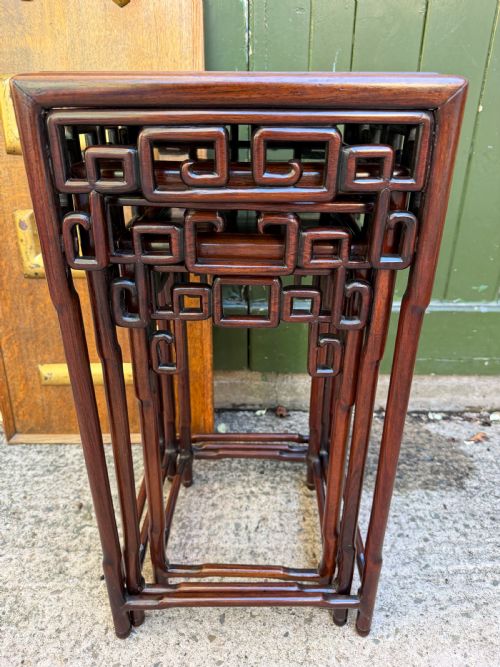
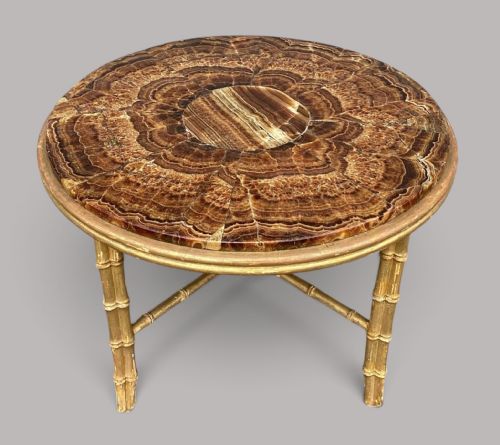
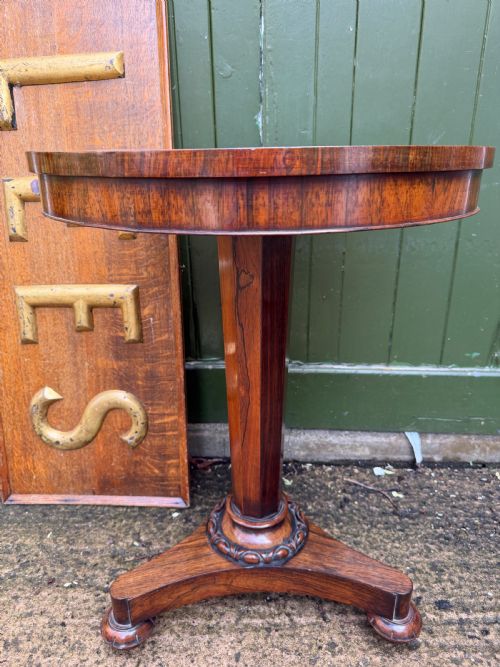
The varieties on this page extend from early nineteenth-century Regency and George IV rosewood designs with brass inlay to late nineteenth-century Chinese hardwood tables and French marquetry pieces. Forms range from rectangular lamp tables to circular bouillotte and card tables.
Makers and regional workshops produced these secondary pieces for versatile placement around a room, often functioning as side tables, work tables, or coffee tables. Their survival demonstrates how effectively small domestic furniture adapted to changing social habits.
How they were made
Cabinet makers utilised dense hardwoods such as mahogany, rosewood, walnut, and oak as the foundational structures for these tables. Exotic woods like satinwood, kingwood, and ebony provided contrasting veneers for geometric or floral marquetry.
Surface ornamentation involved intricate techniques including bone inlay, brass stringing, and detailed hand-painting on Kashmir and Chinese surfaces. Inset components like white or variegated rouge marble tops added weight and decorative contrast to timber frames.
C19th Occasional Table Retail Price Guide 2026
Typical asking prices for c19th occasional table among the pieces listed under this phrase on Sellingantiques today, from the lower quarter to the upper quarter. They describe what is for sale here now, not the wider market.
The selection includes regional styles from China, France, Italy, India, and Sweden alongside English periods.
What varies in quality
The refinement of the timber figure and the precision of the joinery distinguish higher grade examples from standard production pieces. Figured rosewood, birds eye maple, and carefully matched mahogany veneers indicate deliberate selection by the maker.
The intricacy of surface decoration also separates ordinary items from superior works, seen in the depth of hardwood carving, the tightness of marquetry patterns, and the execution of brass inlay. Well-proportioned legs and stable tripartite or four-pillar bases reflect better design standards.
Liberty & Co.·Gillows of Lancaster·Charles Topino
The C19th Occasional Table Glossary
- Bouillotte table
- A small French circular table, usually featuring a raised gallery edge around a marble top and designed for card games. These often include small pull-out slides for holding counters or drinks.
- Quartetto tables
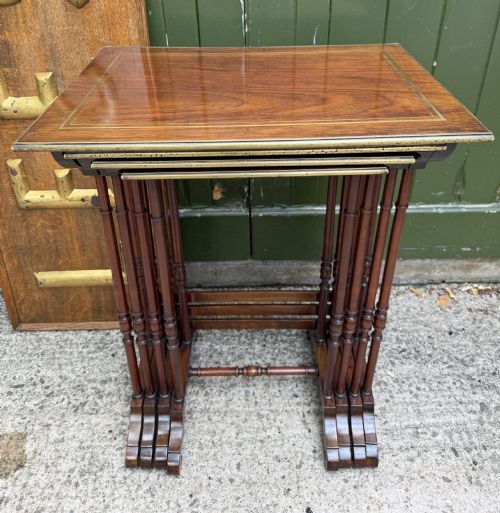
- A set of four graduated nesting tables that slide beneath one another to save space. Regency cabinet makers popularised these in rosewood and mahogany.
- Hongmu
- A traditional Chinese term translating to red wood, used to describe dense, dark hardwoods like rosewood utilised in Qing Dynasty furniture. Pieces in this material frequently display deep relief carving.
- Marquetry
- The art of applying pieces of veneer to a structural structure to form decorative patterns or pictorial scenes. Makers employed satinwood, kingwood, and walnut to achieve contrasting tones.
- Tip top table
- A table with a hinged top that pivots vertically, allowing the piece to stand flat against a wall when not in use. This form typically rests on a tripod base.
C19th Occasional Table: Frequently Asked Questions
What is an occasional table used for?
These small furnishings provided portable surfaces for holding lamps, reading materials, tea apparatus, or games equipment within nineteenth-century living spaces. Their moveable nature allowed servants or residents to reposition them as daily activities required.
Today, they function similarly in modern rooms as side tables, plant stands, or low coffee tables. Their compact dimensions make them adaptable to tight corners or beside seating areas.
How do I identify a Regency table?
Regency examples, dating from the early nineteenth century, frequently utilise rosewood and incorporate brass inlay, stringing, or mounts. They often feature clean architectural lines influenced by classical antiquity.
Look for tripod bases with sabre legs, clever nesting designs known as quartetto sets, or integrated chess boards. The timber selection on these pieces tends to be richly figured.
What is a wine table?
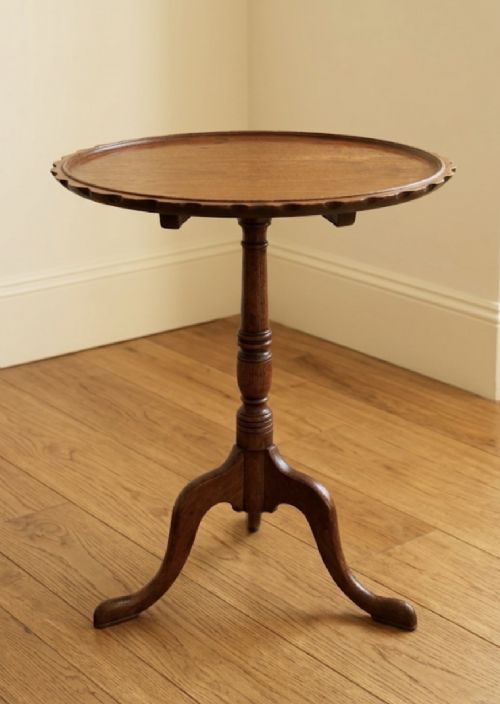
A wine table is a small, single-pillar occasional table, usually supported by a tripod base, designed to hold a glass and a bottle during evening gatherings. Their small tops often feature raised pie crust rims or tilt-top mechanisms.
They appear frequently in nineteenth-century settings as lightweight pieces that could easily move near a fireside or chair. The pillar and tripod construction ensured stability on uneven carpets.
How do Chinese nineteenth century tables differ from European ones?
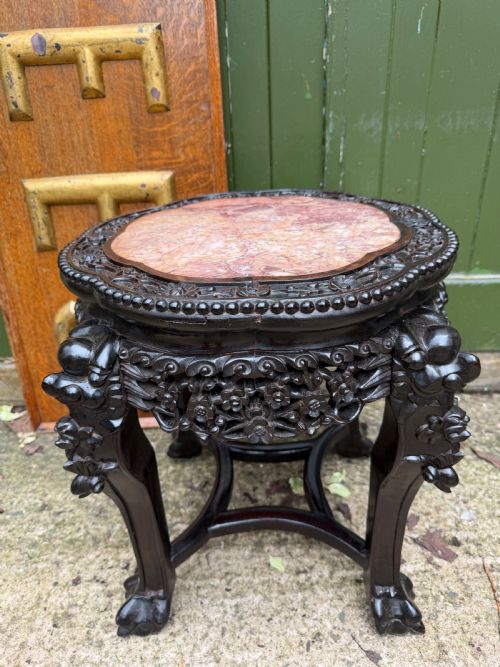
Chinese tables from this era typically employ dense hardwoods like hongmu, elm, or ebonised wood rather than mahogany or walnut. They often feature intricate bone inlay, openwork carving, or removable tray tops designed for folding bases.
Many of these serve as low jardiniere stands or square occasional pieces. Their construction techniques reflect traditional joinery methods distinct from European cabinet making.