




C19th Metal Urns
These c19th metal urns bring classical sculpture and garden majesty indoors and out through enduring bronze, iron and patinated forms.
C19th Metal Urns
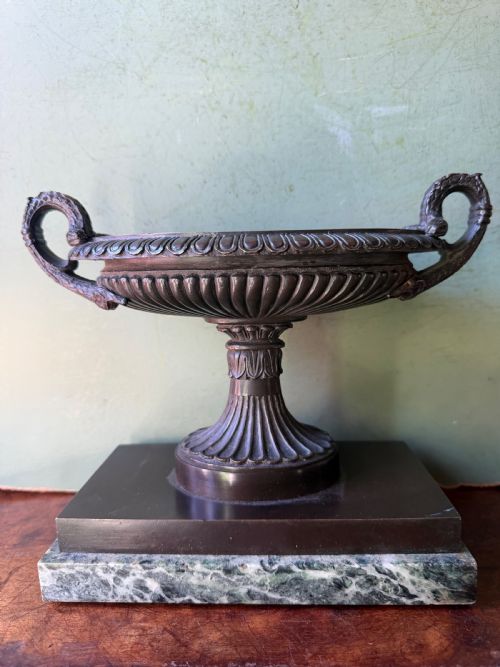
When searching for c19th metal urns, buyers encounter a diverse selection of decorative and garden vessels spanning the nineteenth century, Regency, and Charles X periods. The most common manifestations on this page include campana-shaped classical style bronze urns, Grand Tour souvenirs after the antique, and substantial cast iron garden planters.
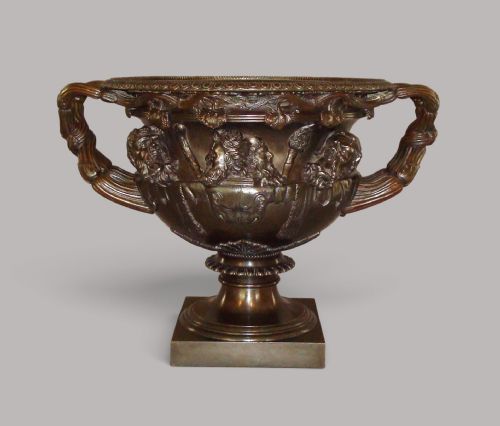
These objects bridge interior display pieces and substantial architectural garden ornaments, drawing heavily on Neoclassical, French Empire, and Victorian Classical aesthetics. Pieces range from small bronze reductions of famous ancient monuments like the Warwick Vase to large terrace urns and lidded wine coolers.
How they were made
Makers utilised durable casting techniques in bronze, cast iron, and wrought iron to achieve crisp classical relief details and robust structural forms. Sheet iron formed the base for decorated tin-ware such as japanned wine coolers, while specialised patination and gilding completed the metal surfaces.
Many items incorporate mixed media, mounting metal vessels upon marble bases or wooden pedestals for added height and visual contrast. The combination of patinated bronze, rouge griotte marble, and painted tin demonstrates the varied material palette employed by nineteenth-century metalworkers.
C19th Metal Urns Retail Price Guide 2026
Typical asking prices for c19th metal urns among the pieces listed under this phrase on Sellingantiques today, from the lower quarter to the upper quarter. They describe what is for sale here now, not the wider market.
Materials span bronze, cast iron, marble, sheet iron, paint, wood, patinated bronze, and wrought iron.
What varies in quality
The degree of crispness in the casting and chasing separates standard decorative items from superior sculptural reductions and Grand Tour souvenirs. Finer examples display sharp classical detail, subtle patination, and sophisticated integration with secondary materials like marble bases.
Scale and proportion also define the range, moving from modest cabinet pieces to monumental garden urns and terrace planters designed for architectural impact. The fidelity to ancient prototypes, particularly in souvenir reductions after the antique, dictates the sophistication of the piece.
The C19th Metal Urns Glossary
- Campana
- Bell-shaped form typical of classical garden and decorative urns. This silhouette forms the basis of many nineteenth-century bronze and cast iron vessels.
- Cassolette
- A decorative vessel that can function as a perfume burner or be converted with a reversible lid. These often appear in pairs during the Regency and Charles X periods.
- Grand Tour
- Souvenir objects purchased by travellers visiting classical antiquities in Italy during the nineteenth century. These metal reductions recreate famous ancient monuments like the Warwick Vase.
- Japanned
- European imitation of East Asian lacquer work created using layered resin or paint finishes. Pontypool tin-ware often utilised this decorated technique.
- Tazza
- A shallow bowl or cup raised on a stem and foot, frequently rendered in bronze during the nineteenth century. These pieces often follow antique prototypes from archaeological excavations.
C19th Metal Urns: Frequently Asked Questions
Where should I place a metal urn?
Cast iron garden urns suit terraces, lawns, and architectural garden settings where they can weather naturally over time. Smaller bronze and marble examples fit interior spaces like mantelpieces, side tables, or cabinets.
Larger pairs work effectively as focal points in entryways or flanking architectural doorways. Interior metal vessels should be kept away from excessive moisture unless designed specifically for planting.
What is a Grand Tour souvenir?
Grand Tour souvenirs are nineteenth-century bronze reductions of famous classical sculptures and antiquities collected by travellers in Italy. These items allowed owners to bring archaeological discoveries home into their parlours and libraries.
Common subjects include renowned ancient vessels like the Warwick Vase and the Albani Vase. They represent a distinct nineteenth-century fascination with classical antiquity.
How do I care for cast iron urns?
Cast iron garden urns require minimal maintenance beyond occasional cleaning to remove debris and dirt buildup. Allowing the metal to weather naturally develops a stable protective patina.
During freezing winter months, garden urns should be drained of wet soil to prevent cracking from ice expansion. Indoor bronze and patinated pieces only require gentle dusting with a soft dry cloth.
How do I identify a Regency period urn?
Regency period urns typically exhibit strict Neoclassical proportions influenced by Greek and Roman archaeology. They frequently feature campana forms, classical strapwork, and patinated bronze finishes.
These pieces often date from the early nineteenth century and display restrained ornamentation compared to later Victorian designs. Details such as cast handles and classical pedestal mounts help confirm the period.