





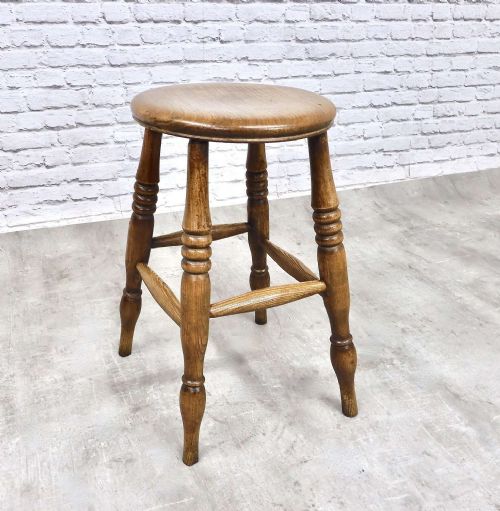
C19th Elm Stool
A c19th elm stool offers honest, utilitarian charm, combining sturdy nineteenth-century timber with the practical design needed by country workers.
C19th Elm Stool
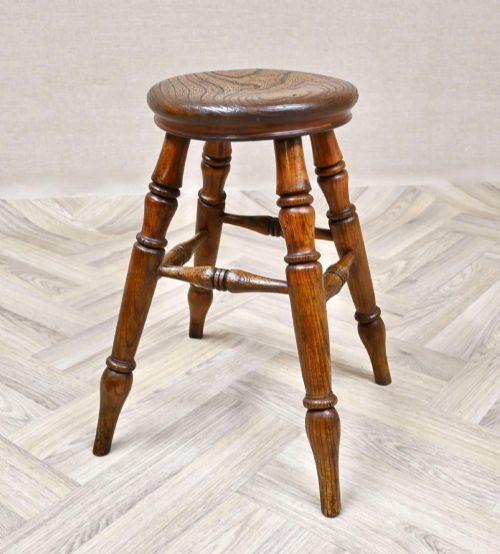
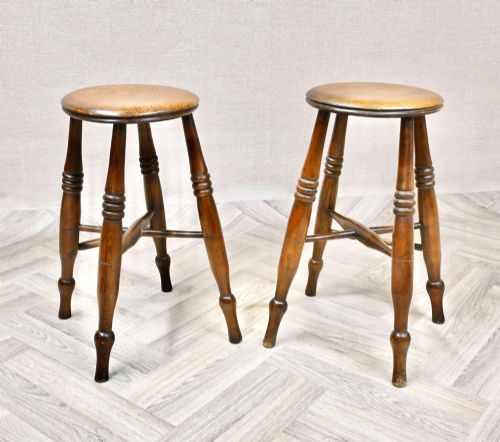
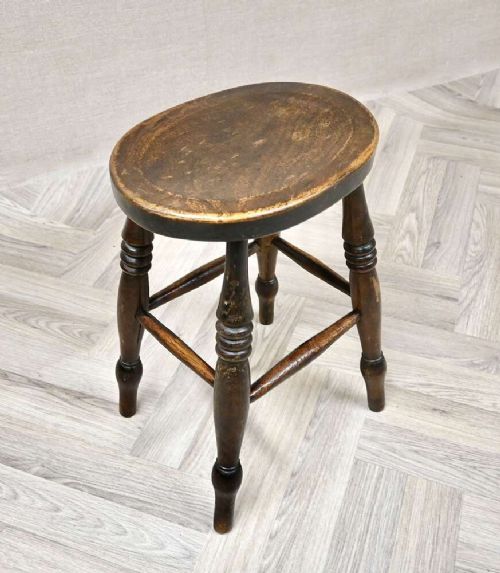
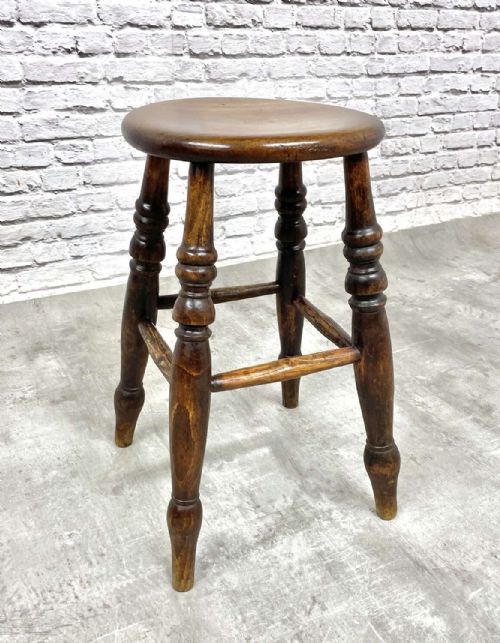
When you search for a c19th elm stool, you find nineteenth-century seating shaped by rural and industrial trades rather than formal drawing rooms. These pieces include Windsor oval seat country stools, hearth stools, bar stools, and mill worker's stools.
How they were made
Maker's workshops relied heavily on elm for seats due to its interlocking grain which resisted splitting under heavy use. Legs and stretchers often utilised contrasting timbers like beech, ash, or oak, secured through traditional joinery methods.
Additional materials appeared according to specific trades and functions, ranging from pine and burr elm to brass fittings and simple fabric upholstery. Construction prioritized durability above decorative finish, resulting in robust vernacular items.
C19th Elm Stool Retail Price Guide 2026
Typical asking prices for c19th elm stool among the pieces listed under this phrase on Sellingantiques today, from the lower quarter to the upper quarter. They describe what is for sale here now, not the wider market.
Listings feature items from the 19th Century, incorporating materials such as elm, oak, beech, ash, pine, burr elm, brass, and fabric.
What varies in quality
Quality rests in the character of the timber selection and the integrity of the original construction. A richly figured burr elm top or distinctively turned ball feet elevate certain examples above standard utilitarian work.
Wear patterns tell a story of genuine working life, yet the strength of the joints and the retention of original surfaces determine the overall standing of the piece. Subtle variations in vernacular design separate standard workshop output from finer country pieces.
The C19th Elm Stool Glossary
- Elm
- A tough, durable timber with an interlocking grain that prevents splitting, making it the primary choice for solid country stool seats. Nineteenth-century makers relied upon its resilience for items subject to daily physical labour.
- Windsor
- A style of seating construction where individual legs and spindles are wedged directly into a solid carved wooden seat. This method provides immense structural stability without requiring complex framework.
- Vernacular
- Architecture and furniture built by local craftsmen using traditional methods and regional materials to serve a practical function. These items reflect the specific needs of rural communities and trades.
- Burr elm
- A specialised timber growth featuring swirling, knotted grain patterns prized for decorative surfaces. It appears on finer nineteenth-century seating to add visual interest.
- Reformed Gothic
- A nineteenth-century design movement promoting simplified, honest medieval revival forms rather than ornate historical copying. It emphasises structural clarity and functional purpose.
C19th Elm Stool: Frequently Asked Questions
What is a c19th elm stool used for?
These nineteenth-century pieces served practical roles in rural homes, mills, and workshops where sturdy seating was essential. Today, buyers use them as small side tables, plant stands, or occasional seats in rustic interiors.
Their compact dimensions allow them to fit easily into modern hallways, kitchens, and living rooms without dominating the floor space.
How do I identify a mill worker's stool?
Mill worker's stools are defined by their utilitarian construction, straightforward timber seats, and robust legs designed to withstand heavy industrial environments. They lack decorative embellishments, focusing entirely on functional strength.
Examining the wear patterns and tool marks often reveals the intensive daily use these specific occupational stools endured during the nineteenth century.
Are all c19th elm stools made entirely of elm?
Nineteenth-century makers frequently combined elm with other regional hardwoods depending on the specific structural requirement of each part. While the primary seat is usually elm, the legs and stretchers were often turned from beech, ash, or oak.
This mixed-timber construction was a practical choice, utilising the non-split properties of elm for the seat alongside the rigid turning qualities of denser woods for the legs.
How should I care for an antique elm stool?
Keep nineteenth-century wooden furniture away from direct heat sources and sudden humidity changes to prevent the timber from drying out or splitting. Routine dusting with a dry cloth and occasional application of appropriate wax will preserve the surface.
Avoid harsh chemical cleaners that can strip the historic patina and dried finish built up over generations of use.