

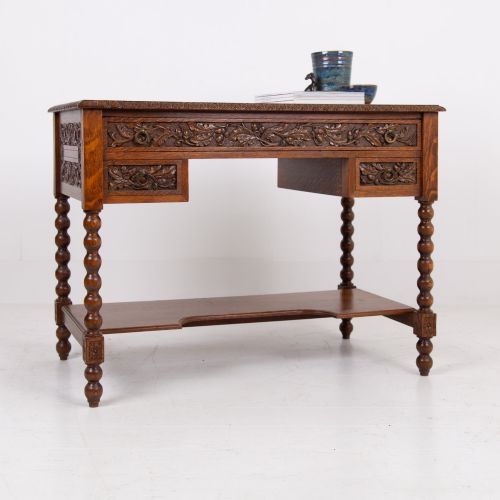
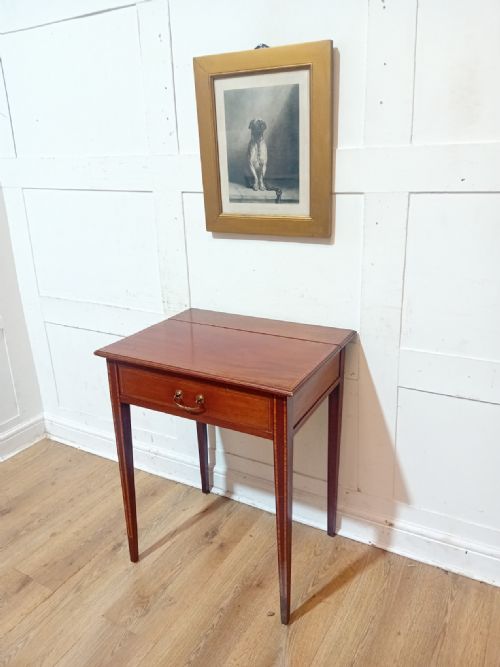


C1900 Writing Table
A c1900 writing table is a versatile surface from the turn of the twentieth century designed for correspondence and paperwork.
C1900 Writing Table
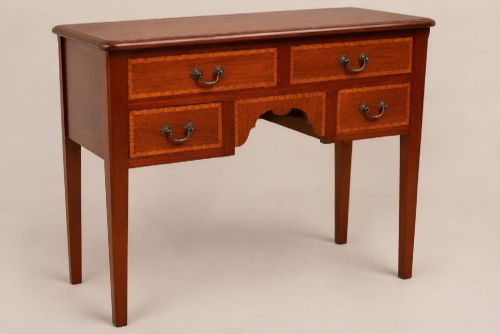
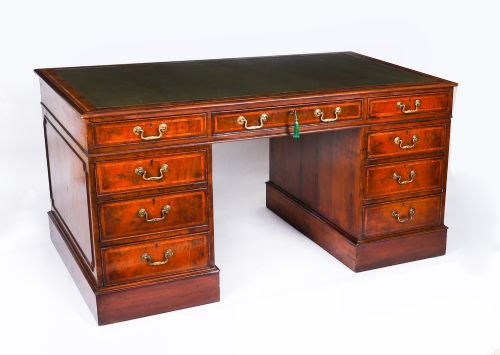
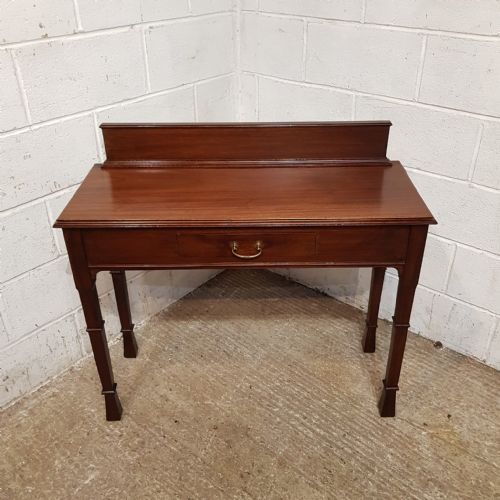
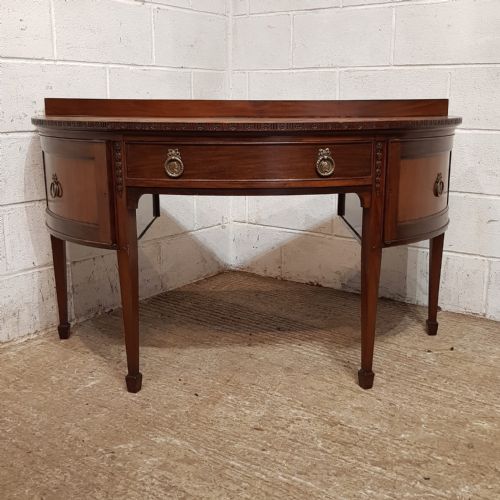
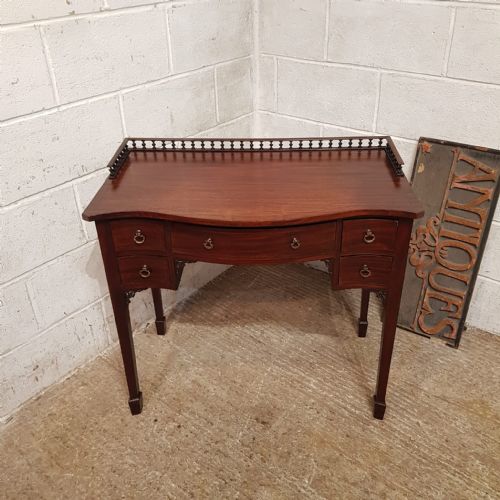
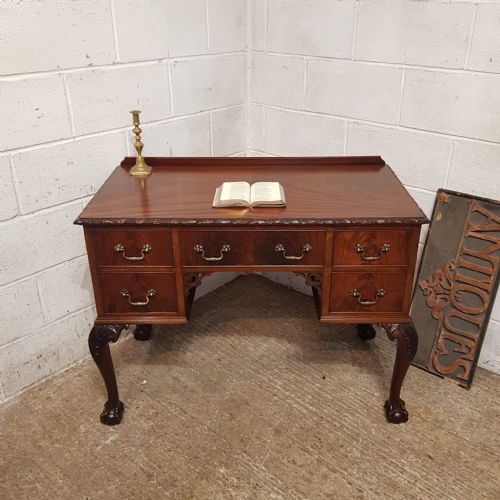
A c1900 writing table encompasses various desk forms produced around the year 1900, spanning the Edwardian period and the nineteenth century. Buyers browsing this selection encounter items designed for domestic study or drawing rooms, including ladies writing desks, console tables, and pedestal desks.
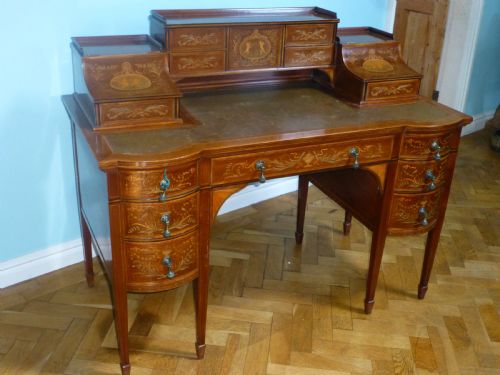
The most common formats on this page include mahogany writing tables and Edwardian pieces finished with satinwood inlay or brass details. Makers of this era drew inspiration from multiple historic aesthetics, leading to Chippendale Revival, French Louis XVI Revival, and Sheraton Revival designs.
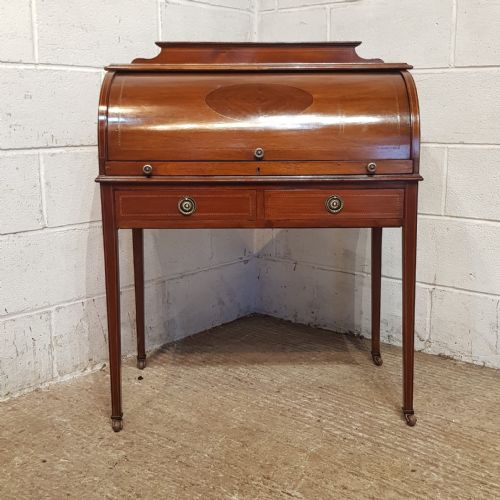
Work surfaces frequently incorporate inset leather panels alongside functional drawer arrangements numbering between two and three. Forms range from straight-fronted tables to demi lune side desks, barrel fronted items, and sophisticated Carlton House desks.
How they were made
Carpenters constructed these writing tables using primary timbers such as mahogany, walnut, oak, and satinwood. Construction techniques combined solid framing with decorative veneers and precise marquetry inlay to achieve distinct visual patterns on drawer fronts and tops.
Hardware components relied heavily on brass for handles, escutcheons, and structural mounts. Writing surfaces were routinely completed with inset leather panels, whilst specialised designs utilised curved wooden elements for barrel fronted configurations.
C1900 Writing Table Retail Price Guide 2026
Typical asking prices for c1900 writing table among the pieces listed under this phrase on Sellingantiques today, from the lower quarter to the upper quarter. They describe what is for sale here now, not the wider market.
Design influences span Edwardian production alongside Chippendale, Sheraton, and French Louis XVI revival aesthetics.
What varies in quality
The standard of a c1900 writing table depends significantly on the selection of timber and the precision of its decorative marquetry. Superior examples exhibit finely grained mahogany or walnut paired with intricate satinwood inlay rather than basic surface decoration.
Cabinetmaking skill is evident in the execution of complex forms such as serpentine or barrel fronts, alongside the integration of quality brass fittings and neatly fitted drawers. Workshop provenance also influences distinction, particularly pieces bearing recognised maker attribution.
Edwards and Roberts
The C1900 Writing Table Glossary
- Carlton House desk
- A form of writing desk featuring a curved superstructure of small drawers and compartments enclosing the rear and sides of the writing surface. This layout originated in the late eighteenth century and saw revival production around nineteen hundred.
- Demi lune
- A half-moon shape applied to the design of side desks and console tables. Items with this profile sit flat against a wall.
- Marquetry
- Decorative woodwork where pieces of veneer are applied to a structural panel to form pictorial or geometric patterns. Makers utilised contrasting timbers like satinwood and mahogany to achieve this effect.
- Serpentine front
- A piece of furniture cabinetry featuring a convex centre flanked by concave curves. This contour requires skilled carpentry to shape timber accurately.
- Satinwood inlay
- The insertion of contrasting light-coloured satinwood into recesses carved within a darker primary timber. This technique defines many Edwardian and revival pieces.
C1900 Writing Table: Frequently Asked Questions
What is a c1900 writing table?
A c1900 writing table is a piece of wooden furniture produced around the turn of the twentieth century for correspondence and study. These items reflect Edwardian tastes and earlier revival styles.
They appear in various forms on this page, ranging from simple two-drawer walnut desks to elaborate inlaid ladies writing tables and Carlton House desks.
Where were these tables placed?
These tables served as functional furniture in domestic studies, bedrooms, and drawing rooms for letter writing and managing household accounts. Console tables and side desks also functioned in hallways.
Their finished backs often allowed them to sit away from the wall in the centre of a room rather than remaining pushed against a boundary.
What materials are used?
Construction relies heavily on traditional hardwoods including mahogany, walnut, and oak. Surfaces often feature contrasting satinwood inlay and inset leather writing pads.
Hardware components such as drawer pulls and decorative mounts are typically cast from brass.