





C1900 Lighting
These c1900 lighting fixtures bring the warmth of brass, copper, and glass from the turn of the twentieth century into modern rooms.
C1900 Lighting
When you search for c1900 lighting, you encounter a mix of domestic illumination spanning the Victorian and Edwardian eras, along with the 1890 to 1910 period. The pieces on this page range widely in form, capturing everything from humble chambersticks to grand chandeliers.
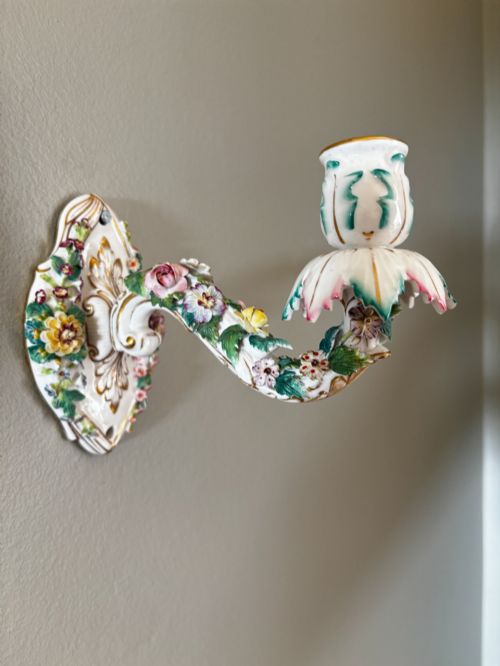
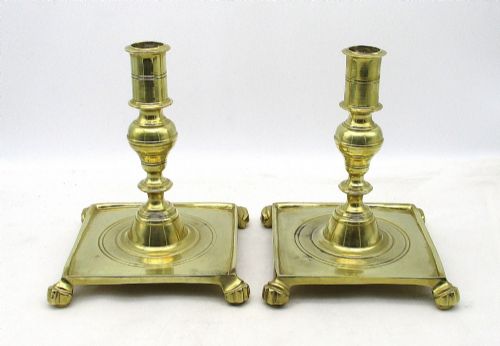
You are most likely to meet wall lights, brass candlesticks, and hanging lanterns as you browse the selection. These functional objects reflect the diverse aesthetic tastes of the time, touching upon French Chateau, Arts and Crafts, and Gothic Revival styles.
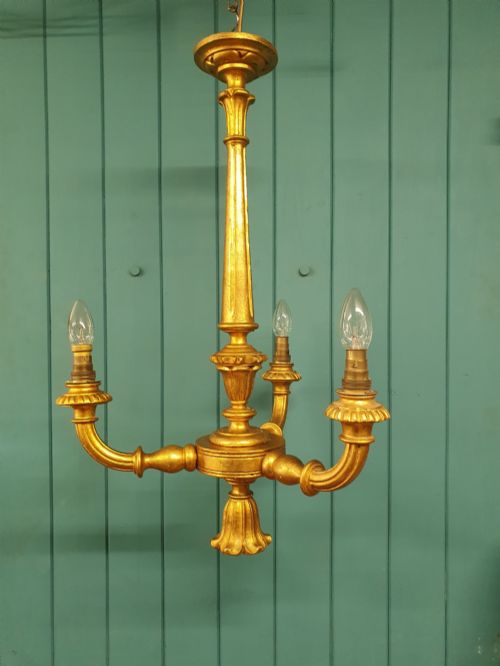
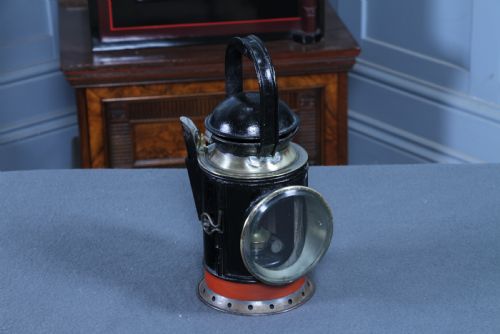
The objects also encompass specialised utilitarian items such as railway hand lanterns and ship lamps alongside domestic oil lamps with cranberry glass shades. Brass and copper dominate the smaller candle holders and lanterns, while giltwood and bronze shape the larger chandeliers and wall sconces.
Materials and construction
Makers utilised cast and spun brass, heavy copper, and carved wood to build these fixtures. Many pieces combine structural metals with delicate glass shades or porcelain enamelled components to diffuse light effectively.
Surface treatments vary from polished finishes to patinated bronze and silver plating. Carved giltwood and silver gilded wood appear on more decorative wall lights and chandeliers from French and Italian workshops.
C1900 Lighting Retail Price Guide 2026
Typical asking prices for c1900 lighting among the pieces listed under this phrase on Sellingantiques today, from the lower quarter to the upper quarter. They describe what is for sale here now, not the wider market.
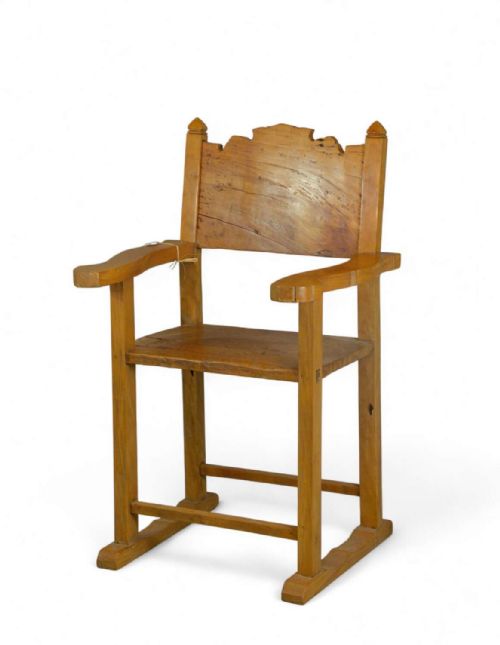
A giant throne chair from the Philippines shares shelf space with delicate French ormolu chandeliers and railway inspection lamps.
Markers of quality
Quality in c1900 lighting rests on the crispness of casting in the brass and bronze elements, as well as the depth of hand-carving on wooden frames. Superior pieces exhibit clean lines and well-balanced proportions that mark them out from utilitarian equivalents.
The integrity of secondary materials, such as original cranberry glass shades and uncompromised silver plating, elevates an item's standing. Maker signatures, such as French foundry marks, distinguish exceptional workshop production from standard commercial output.
Meissen·E.G Paris
The C1900 Lighting Glossary
- Chamberstick
- A short candlestick fitted with a wide drip pan and a side handle, designed for carrying bedroom illumination safely.
- Girandole
- An ornamental branched wall light or sconce, frequently incorporating a mirror to reflect and multiply the candlelight.
- Ormolu
- Gilded bronze ornamentation applied to decorative light fittings, popular in French revival styles of the period.
- Refectory
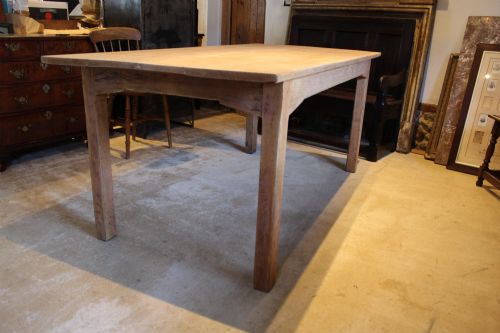
- A long dining table style borrowed for domestic kitchens and dining rooms around the turn of the century.
- Sconce
- A wall-mounted light fixture designed to hold candles or oil lamps.
C1900 Lighting: Frequently Asked Questions
How do I wire a c1900 oil lamp for electricity?
Many converted oil lamps and candle holders require professional rewiring to meet modern safety standards. A specialist lighting restorer can run a discreet cord through the existing burner assembly without altering the historic metalwork.
Retaining the original switchgear or adding a period-appropriate inline switch helps preserve the character of the piece while making it practical for daily use.
What is the difference between Edwardian and Victorian lighting?
Victorian lighting tends to feature heavier, more ornate brass and bronze castings with darker patinas and elaborate ornamentation. This reflects the complex decorative schemes popular through the late nineteenth century.
Edwardian lighting moves towards lighter brass forms, simpler lines, and brighter glass shades as interior tastes shifted towards airier, less cluttered domestic spaces.
Can I use standard candles in antique candlesticks?
Most turn-of-the-century candlesticks and chambersticks accommodate standard taper candles, though minor variations in socket sizing do occur. Hand-poured beeswax tapers often sit more securely in older brass sockets than modern paraffin alternatives.
Using a small piece of beeswax or a metal binet insert can steady a loose candle without damaging the interior surface of the holder.
How should I clean antique brass and copper?
Dusting with a dry microfibre cloth is usually sufficient for everyday maintenance of brass candlesticks and copper lanterns. Avoid aggressive chemical polishes that strip away the historic patination accumulated over a century.
If cleaning is necessary, use a mild, non-abrasive metal cleaner specifically formulated for antiques, applying it gently with a soft cloth to protect the surface detail.