

C1900 Jewellery
These c1900 jewellery pieces span late Victorian, Edwardian, and Arts and Crafts designs, offering finely crafted gold and silver work that collectors prize.
C1900 Jewellery
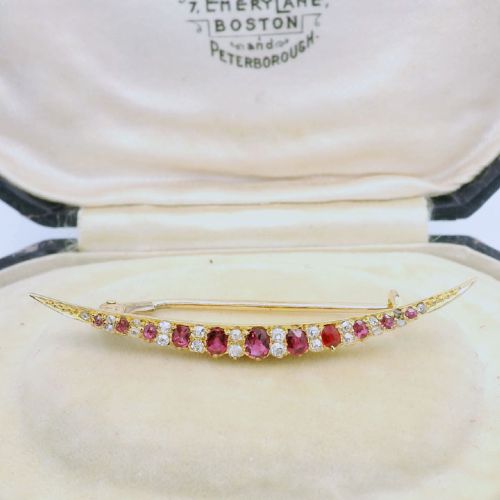
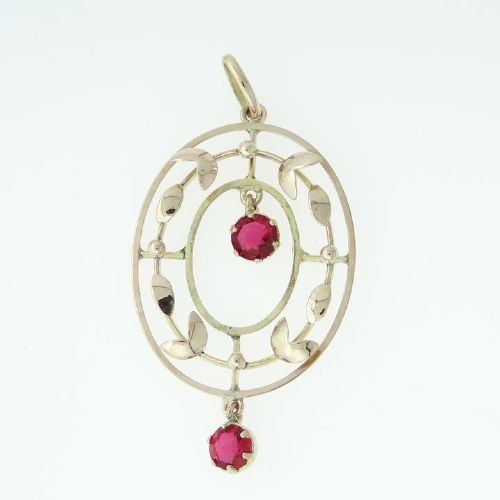
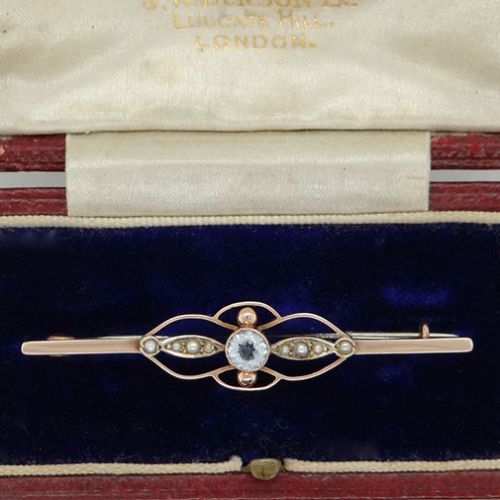
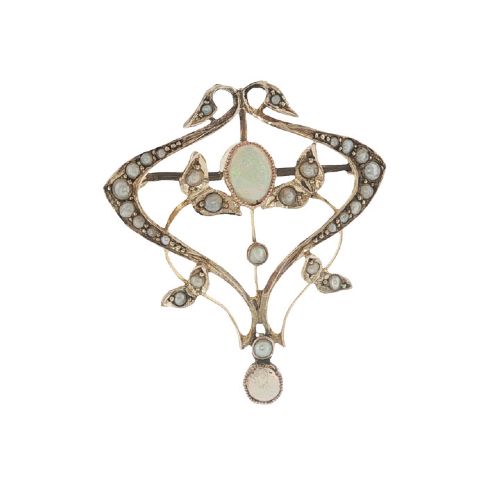
When you search for c1900 jewellery, you encounter a period bridging the late Victorian era and the Edwardian age, alongside distinct Arts and Crafts expressions. The selection on this page comprises brooches, pendants, rings, bracelets, and silver boxes created around the turn of the twentieth century.
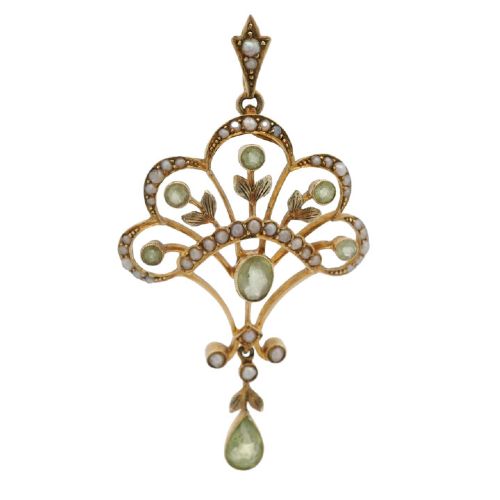
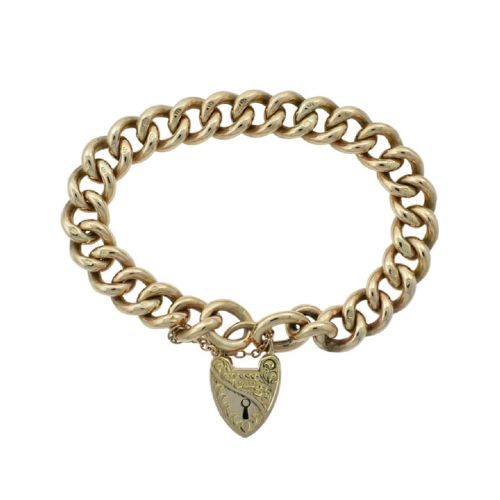
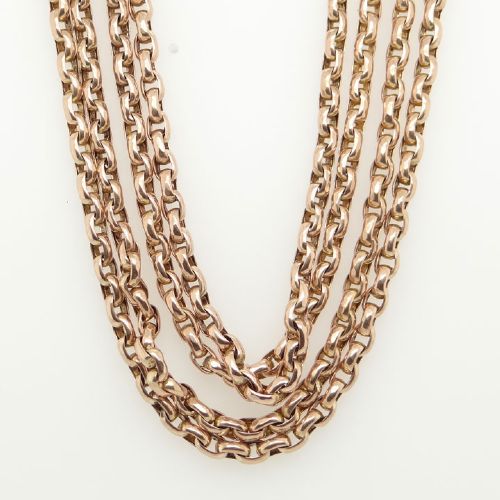
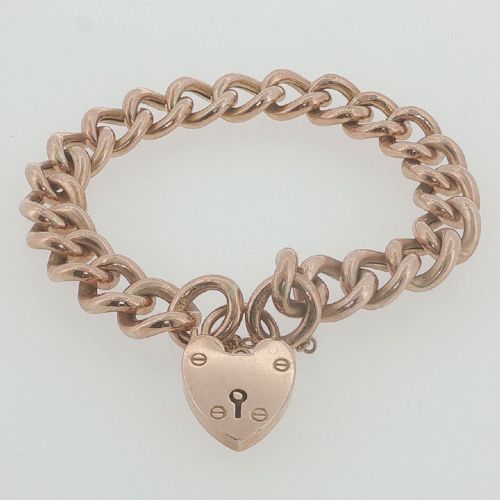
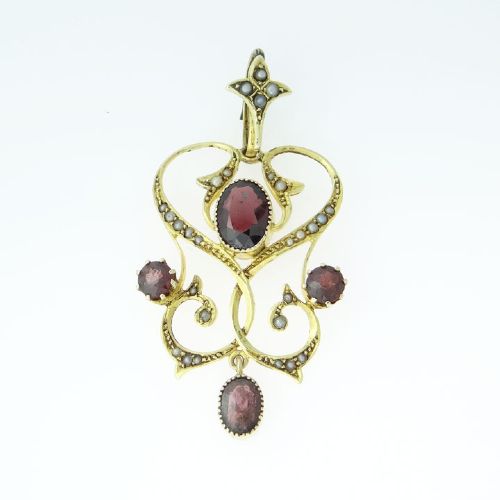
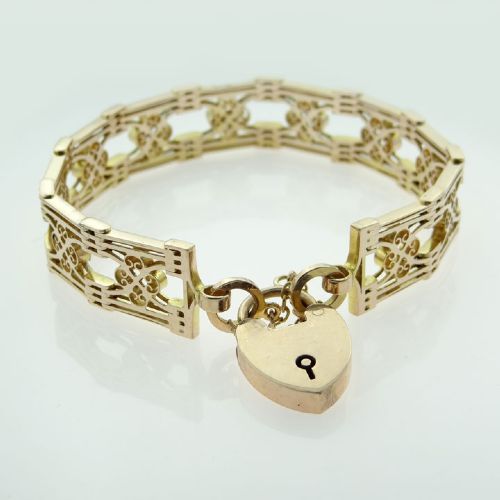
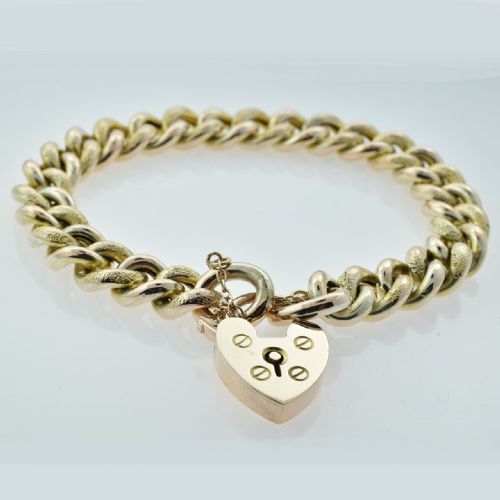
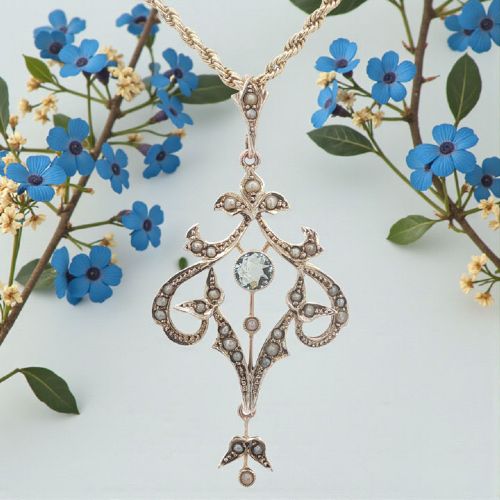
Pendants and rings often incorporate gemstones such as aquamarine, peridot, opal, garnet, turquoise, and diamond, frequently accompanied by seed pearls. Bracelets and chains demonstrate substantial gold work, particularly in 9ct rose gold curb, gate, and guard chain formats.
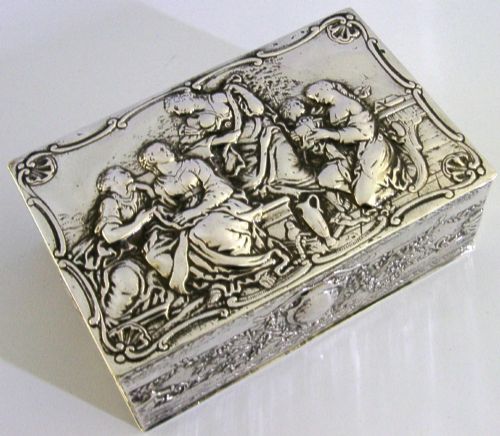
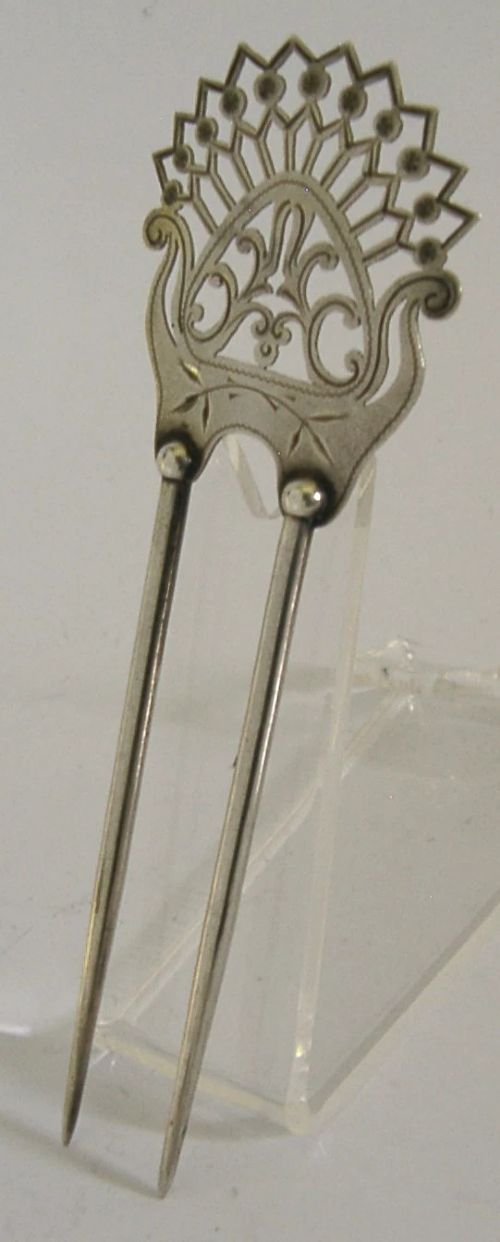
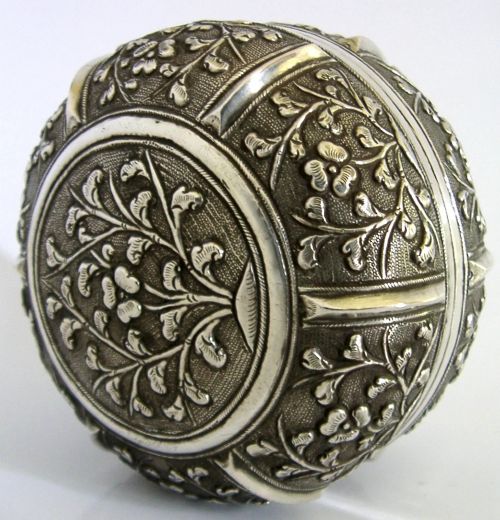
Silver items include solid silver German Hanau boxes, American hair slide combs, and Indo-Chinese export boxes, reflecting a diverse international output during this timeframe. Pieces range from delicate cluster rings to large heavy table jewellery boxes.
How they were made
Makers utilised various carats of gold, predominantly 9ct, 15ct, and 18ct, alongside solid silver and sterling silver. Gold pieces frequently employ yellow and rose variations, while silver items demonstrate techniques like solid construction and export detailing.
Gemstone setting involves cluster arrangements, flush settings, and intricate pendant mountings paired with seed pearls. Specialist techniques such as plique à jour appear in specific Arts and Crafts works alongside chased and engraved surfaces on curb chain bracelets and solid silver boxes.
C1900 Jewellery Retail Price Guide 2026
Typical asking prices for c1900 jewellery among the pieces listed under this phrase on Sellingantiques today, from the lower quarter to the upper quarter. They describe what is for sale here now, not the wider market.
Listings feature 9ct, 15ct, and 18ct gold alongside solid silver, spanning Victorian, Edwardian, and Arts and Crafts periods.
What varies in quality
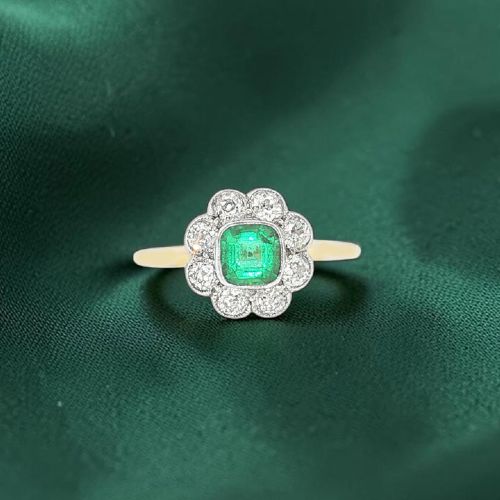
The standard of craftsmanship relies on the precision of the stone setting and the complexity of the metalwork, whether in an engraved 9ct rose gold curb bracelet or an 18ct diamond and emerald cluster ring. Maker attribution also influences significance, particularly with works associated with firms like Liberty & Co.
The choice of materials dictates variation, moving from standard seed pearl and 9ct gold combinations to high-carat 18ct gold set with old-cut diamonds and emeralds. Weight and scale additionally differentiate items, from lightweight pendants to heavy solid silver boxes.
H H Curtis·Liberty and Co
The C1900 Jewellery Glossary
- Curb link
- A type of chain design featuring uniform links that lie flat when twisted. This form appears frequently in nineteenth and early twentieth-century bracelets and guard chains.
- Plique à jour
- An enamelling technique where enamel is applied within a cellular framework without a backing, creating a translucent stained-glass effect. It is characteristic of Arts and Crafts jewellery.
- Seed pearl
- Very small natural or saltwater pearls utilised extensively in Edwardian and Victorian cluster designs and pendant borders. They provide a delicate, luminous contrast to coloured gemstones.
- Old-cut diamond
- A hand-faceted diamond cut before the standardisation of the modern brilliant cut in the early twentieth century. These stones typically feature smaller tables and higher crowns.
C1900 Jewellery: Frequently Asked Questions
What defines c1900 jewellery style?
This jewellery bridges late Victorian ornamentation and the lighter, airier aesthetics of the Edwardian period. Designs often incorporate floral motifs, crescent shapes, and delicate openwork metal.
Simultaneously, the Arts and Crafts movement introduced hand-hammered surfaces and plique à jour enamel. Gemstones like peridot, aquamarine, and opal gained popularity alongside traditional diamonds and seed pearls.
How do I wear guard chains?
Guard chains are long, continuous lengths of gold chain designed to be looped multiple times around the neck. They offer versatile styling options for modern wear.
Historically used to secure functional items, they now serve as standalone statement necklaces or layering pieces.
Are solid silver boxes from this era functional?
Solid silver boxes, including cigarette table boxes and trinket containers, were created for practical domestic storage. German Hanau and Indo-Chinese export examples demonstrate heavy construction and detailed decorative chasing.
Today, they function as decorative objects for tabletops or secure holders for modern small accessories.