


C1880 Drawers
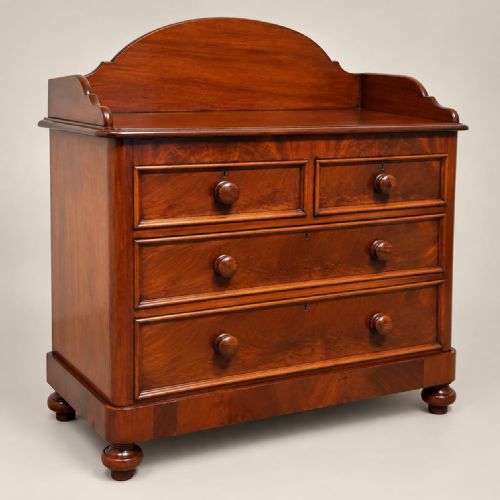
These c1880 drawers combine the solid utility of the late nineteenth century with rich walnut, mahogany and oak timbers.
C1880 Drawers
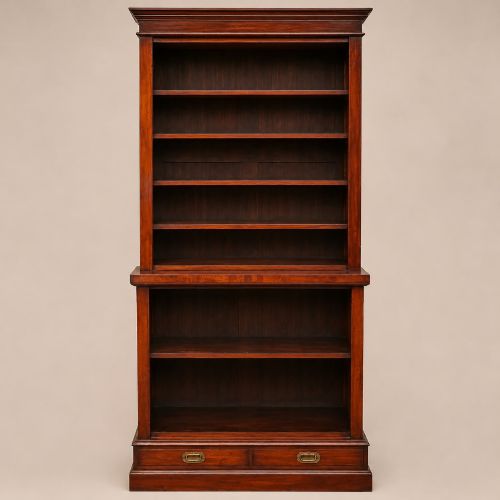
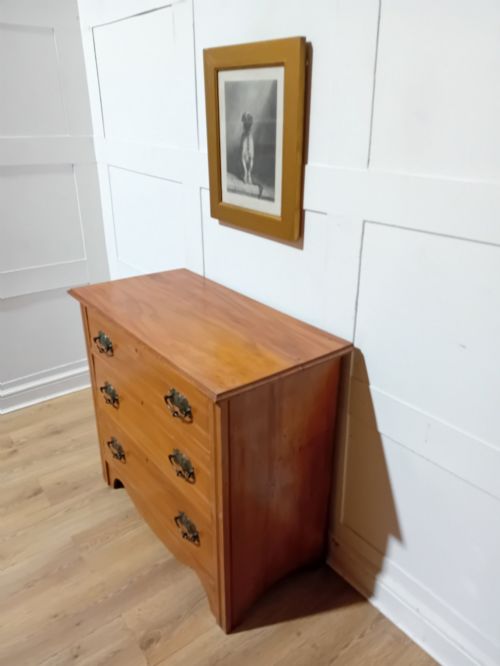
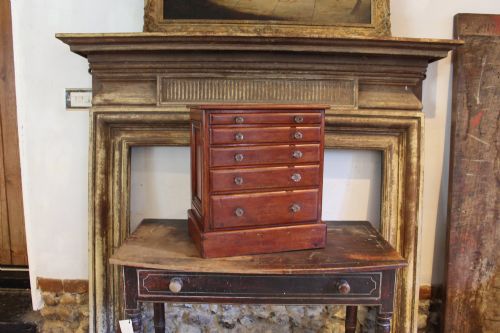
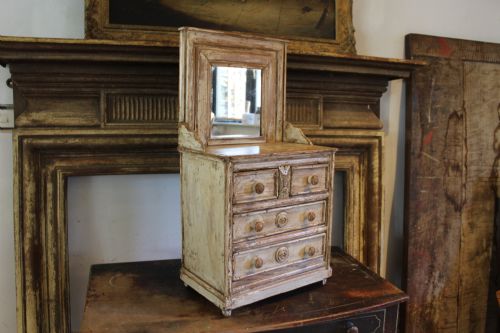
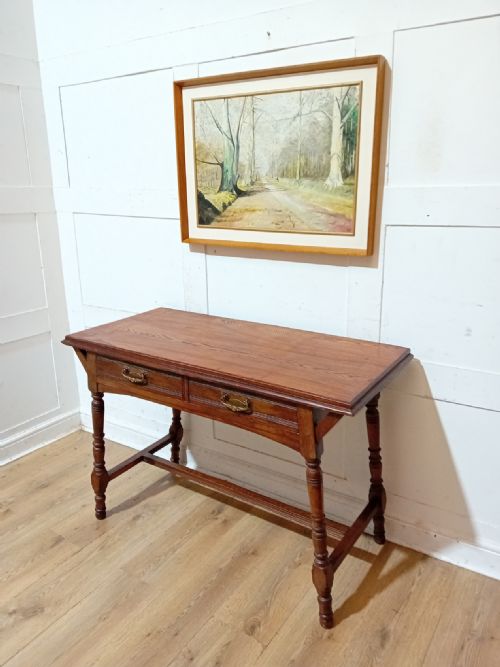
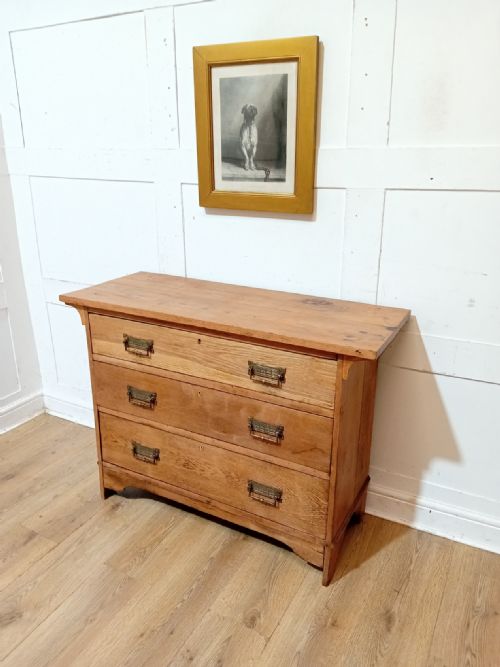
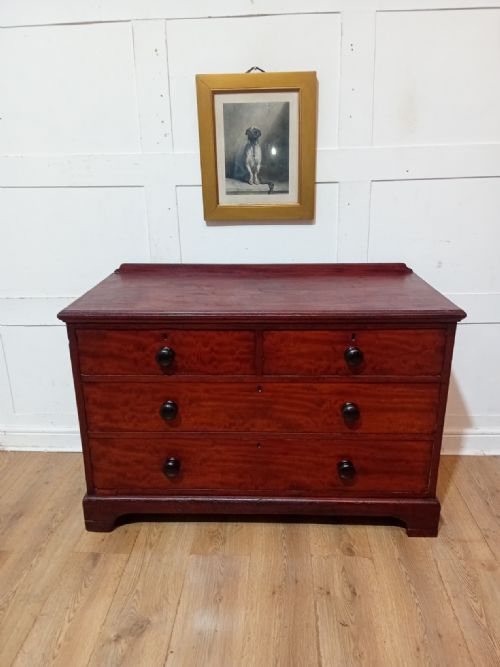
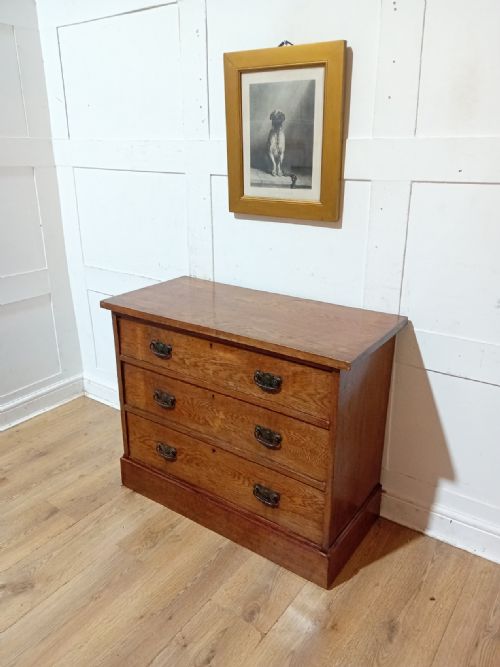
When searching for c1880 drawers, buyers encounter a diverse selection of late nineteenth-century storage furniture rooted in the Victorian and Arts and Crafts periods. The pieces appearing here span standard chests of drawers, dressing chests and compact miniature apprentice pieces.
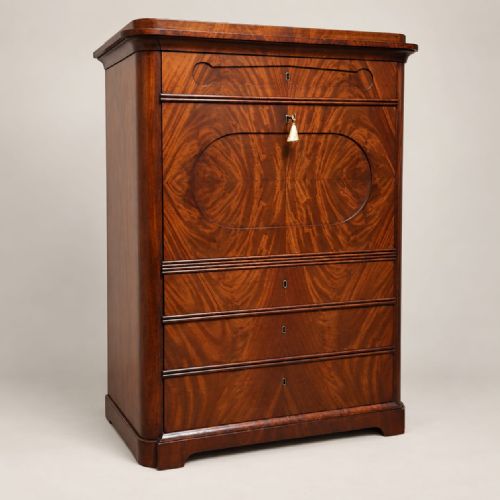
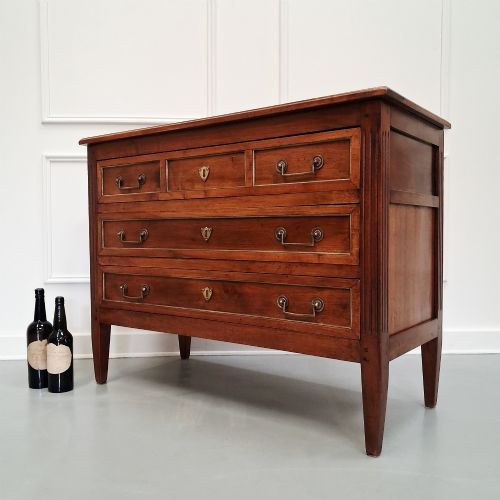
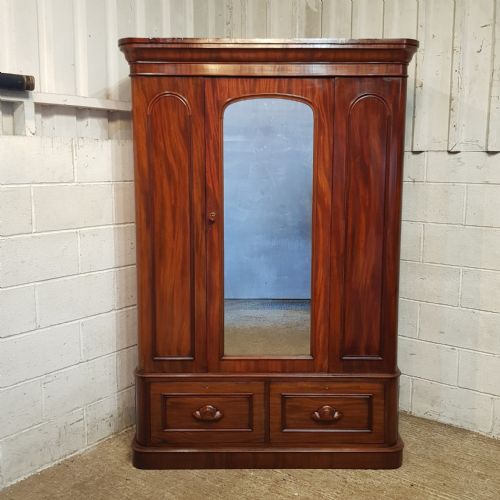
Mahogany and walnut examples dominate the formal Victorian items, while oak and satinwood anchor the Arts and Crafts pieces. French provincial commodes and Biedermeier secretaires add continental variety to the British forms.
How they were made
Cabinet makers constructed these pieces primarily from solid hardwoods such as mahogany, oak and walnut, alongside pine drawer linings and structural carcases. Surfaces frequently display polished wood grains, burr walnut veneers or specialised carvings including Greenman motifs.
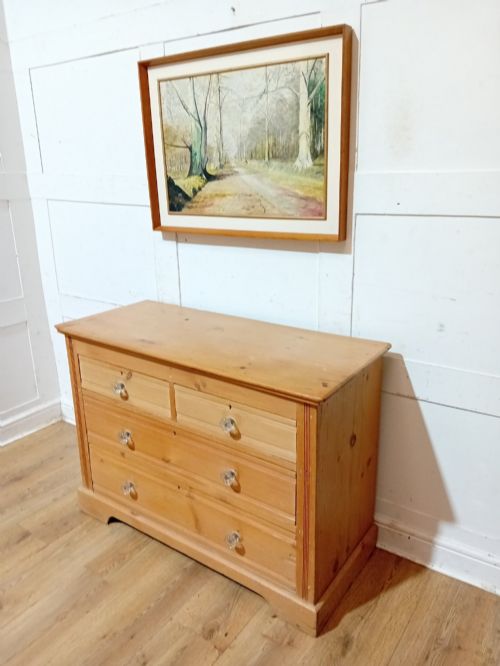
Hardware details range from brass fixtures to fitted glass handles, secured to casework built for enduring daily use. Construction methods reflect the transition from hand-joinery to early industrial workshops.
C1880 Drawers Retail Price Guide 2026
Typical asking prices for c1880 drawers among the pieces listed under this phrase on Sellingantiques today, from the lower quarter to the upper quarter. They describe what is for sale here now, not the wider market.
Keep an eye out for carved Greenman tables hiding amidst the drawers, keeping a watchful wooden eye over your bedroom storage.
What varies in quality
Quality rests upon the selection of timbers, from plain pine and oak up to figured satinwood and burr walnut veneers. The distinction lies in the precision of the drawer construction and the integrity of the original hardware.
Named makers such as Harris Lebus or Liberty elevate a piece through documented workshop provenance and distinct stylistic execution. Refined proportions and integrated decorative carving separate standard chamber furniture from finer exhibition examples.
Harris Lebus of Tottenham·Liberty Ash·Harris Lebus of London·D Napier and Sons
The C1880 Drawers Glossary
- Commode
- A decorative chest of drawers or cabinet originating from French furniture traditions. These pieces often feature fine walnut timbers.
- Secretaire a abattant
- A tall writing cabinet featuring a drop-down fall-front panel that conceals internal compartments. This form showcases structured continental styling.
- Apprentice piece
- A small-scale model created by a craftsman to demonstrate skill. Miniature chests of drawers served this specific purpose.
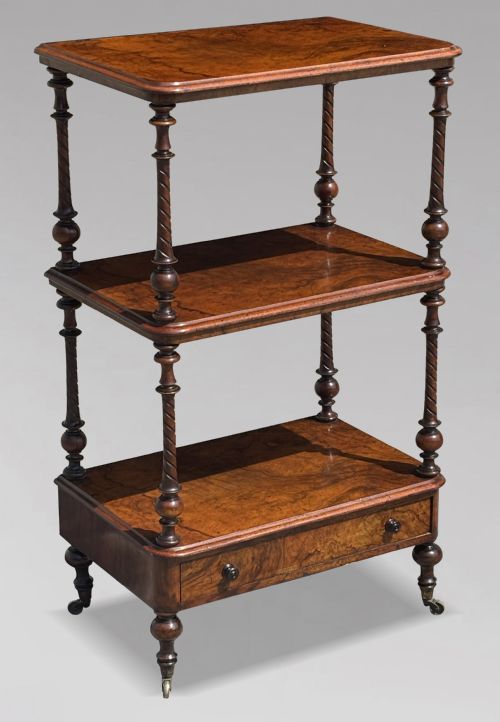
- Whatnot
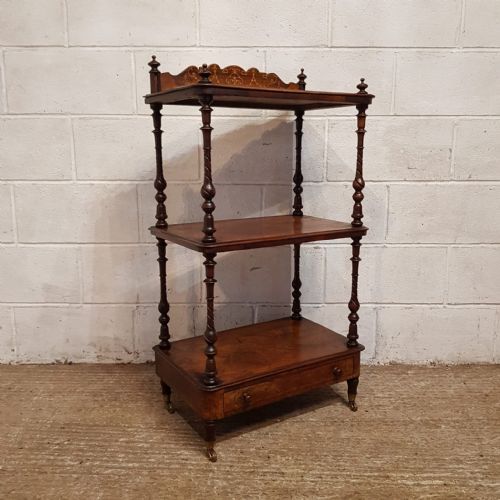
- An open set of tiered shelves used for displaying ornaments. These items frequently share the same era as standard drawer units.
C1880 Drawers: Frequently Asked Questions
What woods were used for c1880 drawers?
Makers relied heavily on mahogany, oak and walnut for primary surfaces and structural elements. Satinwood and pine also appear across specific regional and stylistic pieces.
Finer items utilise decorative veneers like burr walnut to create patterned drawer fronts and polished tops.
Are apprentice chests actual furniture?
Miniature chests served as scaled-down demonstration models rather than standard domestic storage. Craftsmen produced them to prove technical proficiency to their guild.
Despite their small size, they maintain the same dovetail joinery and timber selection as full-scale pieces.
How do Arts and Crafts pieces differ?
Arts and Crafts items prioritize honest construction and visible materials over heavy applied ornamentation. Oak and ash form the primary foundations for these functional designs.
They stand apart from formal Victorian mahogany pieces through simpler silhouettes and minimal surface decoration.
Where should I place a whatnot?
Tiered whatnot shelves function effectively in corners or against walls to display small collections. Their open structure keeps rooms feeling spacious while adding vertical display surface.
They complement standard chests of drawers by providing contrasting open storage.