

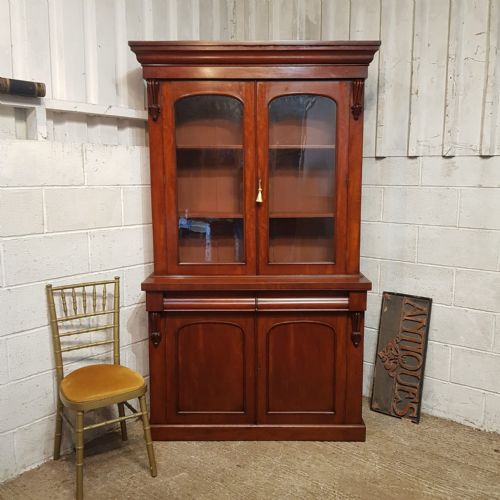


C1880 Display Cabinet
A c1880 display cabinet brings architectural presence and glass-fronted protection to your home, showcasing treasured objects with late-Victorian refinement.
C1880 Display Cabinet
When you search for a c1880 display cabinet, you are looking at nineteenth-century furniture designed to exhibit ceramics, books, and decorative items behind protective glazing. These pieces emerge primarily from the Victorian and Louis Philippe periods, reflecting the craftsmanship of the late nineteenth century.
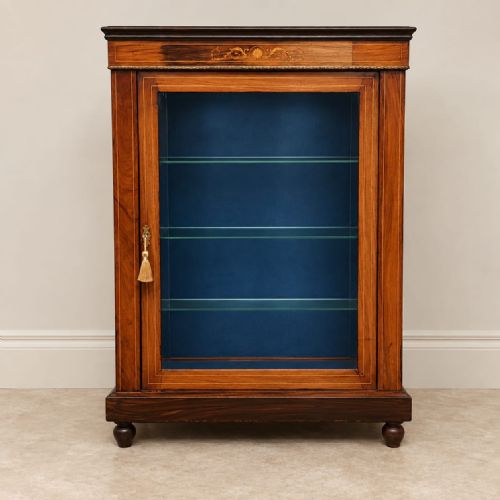
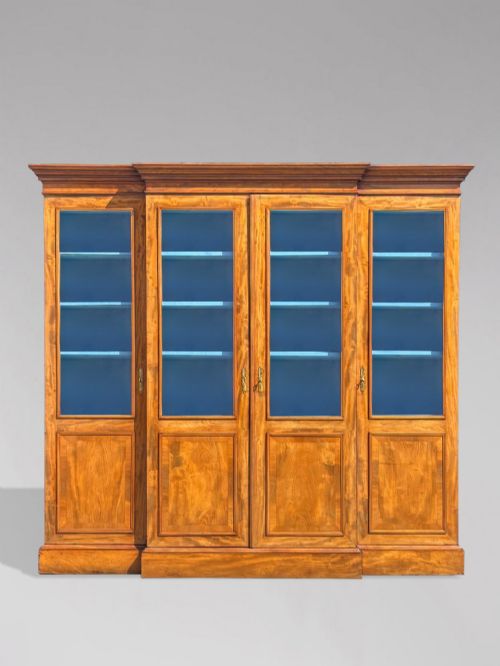
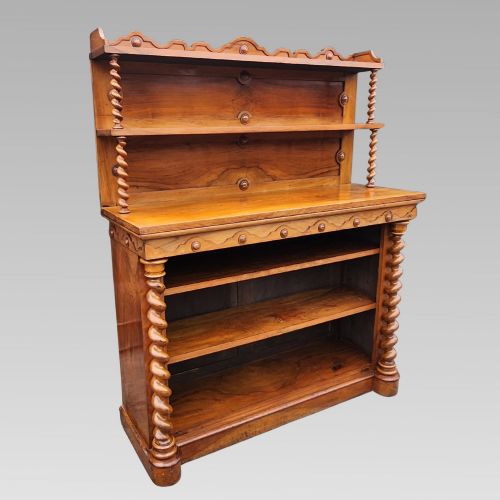
You are most likely to meet pier cabinets, glazed bookcases, and credenzas on this page, alongside related forms like music cabinets and sideboards. The selection spans English Victorian workshops and French cabinet makers, united by a common date around eighteen-eighty.
The variety encompasses compact pier cabinets with single glass doors and large multi-door bookcases that command an entire wall. Each piece demonstrates how late-century interiors demanded specialised furniture for display and storage.
How they were made
Makers of this era employed rich timbers including walnut, burr walnut, mahogany, rosewood, and ebonised wood as the primary carcasses for these cabinets. These woods were often chosen for their striking grain patterns or stained to mimic more costly ebonised finishes.
Glass panels were fitted into glazed doors to protect the contents while offering clear visibility from the room. Brass hardware and gold leaf detailing were frequently applied to accent the woodwork and highlight the aesthetic movement influences visible in several pieces.
C1880 Display Cabinet Retail Price Guide 2026
Typical asking prices for c1880 display cabinet among the pieces listed under this phrase on Sellingantiques today, from the lower quarter to the upper quarter. They describe what is for sale here now, not the wider market.
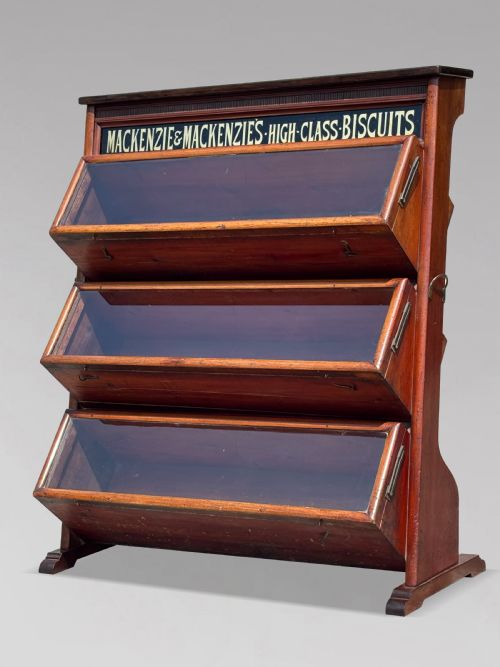
Biscuits once had their own dedicated display cabinets, proving the Victorians took teatime presentation very seriously indeed.
What varies in quality
The standard of timber selection largely dictates the quality of a c1880 display cabinet, with finely figured burr walnut and amboyna veneers marking out superior examples. Simpler mahogany and ebonised pieces rely on proportion and clean lines rather than elaborate wood selection.
The intricacy of the inlay and the crispness of brass mounts separate standard commercial items from exceptional decorative pieces. Superior cabinets integrate gold inlaid details and thoughtful proportions that elevate them beyond utilitarian storage.
Pucher Deroche Paris·Mackenzie's Biscuits
The C1880 Display Cabinet Glossary
- Pier cabinet
- A low, narrow cabinet designed to stand against the wall space between two windows. These pieces often feature glazed doors and delicate wood inlays.
- Aesthetic Movement
- A late nineteenth-century design style emphasising decorative art for its own sake. Cabinets in this style often use ebonised wood contrasted with gold leaf and inlaid details.
- Louis Philippe
- A mid-nineteenth-century French style characterised by restrained classical proportions and curved forms. Pieces from this tradition prioritize smooth timber surfaces over excessive ornamentation.
- Burr walnut
- Wood taken from a walnut tree growth featuring swirling, knotted grain patterns. Cabinet makers prized this material for veneering prominent surfaces.
C1880 Display Cabinet: Frequently Asked Questions
What is a c1880 display cabinet?
A c1880 display cabinet is a piece of nineteenth-century furniture built to exhibit and protect decorative objects behind glass doors. These cabinets date from the height of the Victorian era and Louis Philippe periods.
They appear in forms ranging from narrow pier cabinets to large library bookcases and credenzas. Each piece utilises period timbers such as walnut, mahogany, and ebonised wood.
How do I identify an Aesthetic Movement cabinet?
Aesthetic Movement cabinets from this era typically feature ebonised wood surfaces contrasted with gold inlaid details. They reflect a late nineteenth-century shift toward artistic design.
You will also notice precise geometric or botanical inlay work using contrasting light timbers on dark backgrounds.
What woods were used around 1880?
Cabinet makers around eighteen-eighty relied heavily on walnut, burr walnut, mahogany, and rosewood. Ebonised wood was also popular for achieving a dark, polished finish.
Finer pieces often incorporated exotic veneers like amboyna alongside brass mounts and gold leaf accents.