

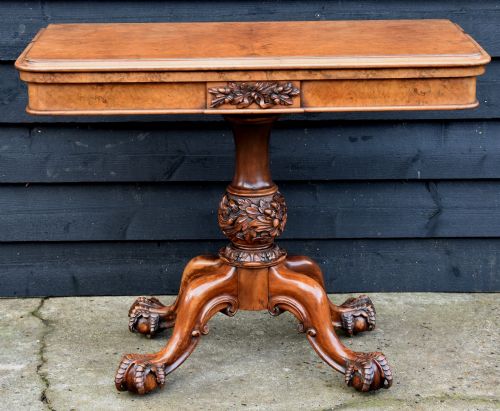
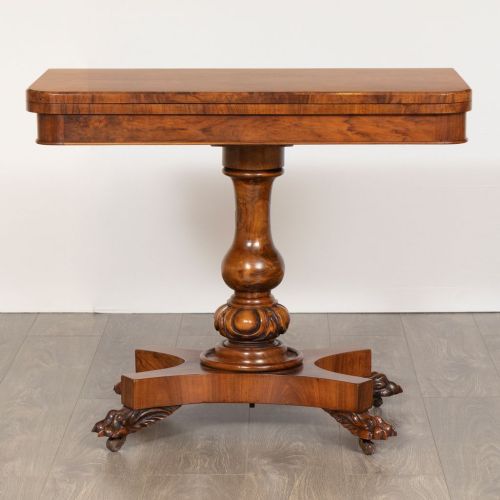
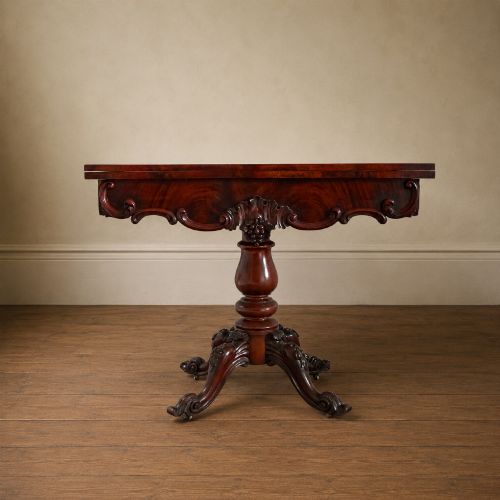
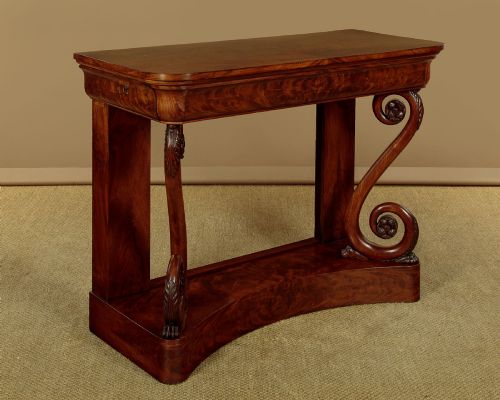
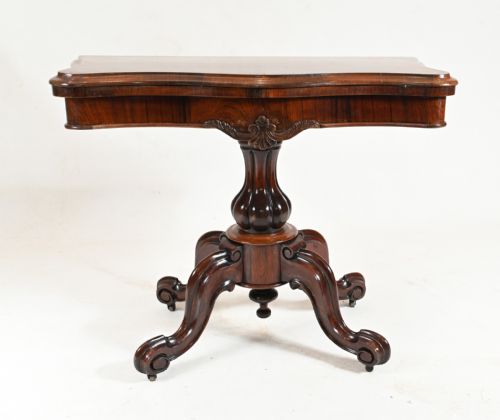
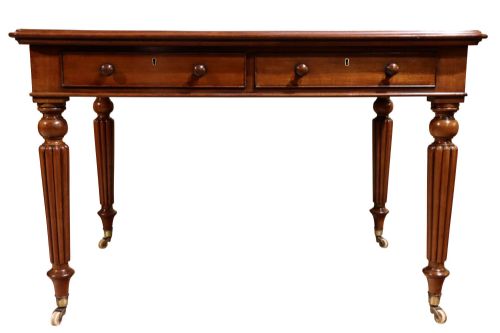


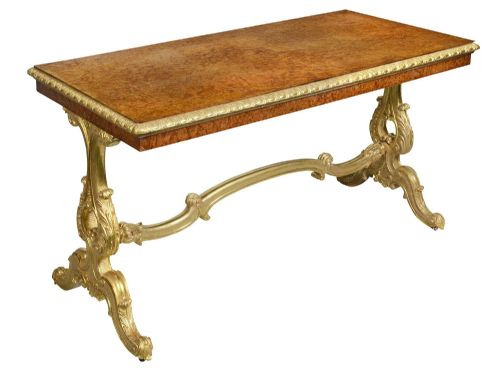


C.1860 Console Table
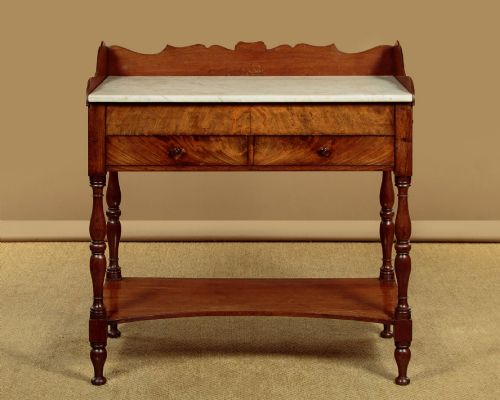
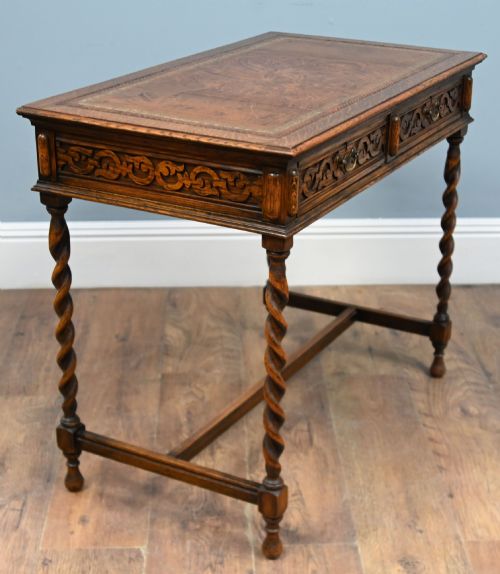
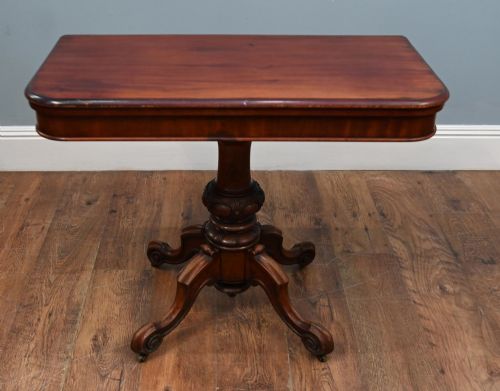
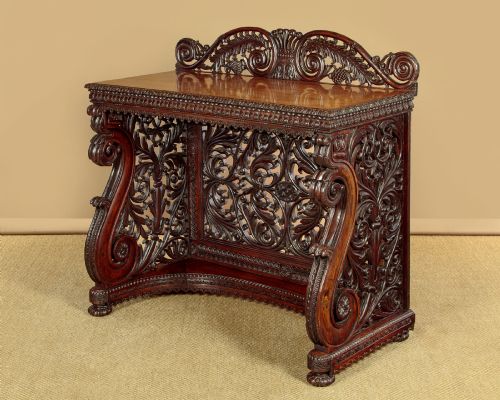
A c.1860 console table brings Victorian architectural weight and disciplined surface grain into a room, offering a functional architectural stage against a wall.
C.1860 Console Table
A c.1860 console table represents the mid-nineteenth-century domestic surface designed to sit flush against a wall, frequently appearing alongside related Victorian furniture forms such as card tables, games tables, centre tables, writing desks, and dresser bases. When searching for a c.1860 console table, buyers encounter pieces dated to 1860, the broader Victorian era, and the nineteenth century, reflecting the stylistic versatility of the period.
The selections available range from solid mahogany and figured mahogany veneer to burr walnut, rosewood, oak, pine, and Chinese elm. Stylistic variations span standard Victorian production alongside Victorian Country, Chinese Provincial, Gothic Revival, Victorian Rococo Revival, and Napoleon III interpretations, meaning the table may exhibit restrained rectilinear framing or heavily carved decorative flourishes.
While specific listings use terms like console table or side table, many period pieces share similar structural footprints designed for formal reception rooms, hallways, and drawing rooms. The frequent overlap with games tables and card tables demonstrates how mid-century furniture often served dual social functions within the Victorian home.
Assessing quality in mid-nineteenth-century tables
The distinction between ordinary and exceptional examples rests upon the selection of timber veneers and the crispness of hand-carved details. Superior pieces display book-matched flame mahogany or richly figured burr walnut with minimal disruption, whereas lesser items rely on plain secondary woods or heavier, less refined surface finishes.
Structural integrity and the precision of the joinery define the upper tier of production, particularly in folding mechanisms on card tables or the stability of heavily ornamented console bases. Original hardware, intact brass fittings, and uncompromised structural frames distinguish workshop pieces of higher ambition from utilitarian vernacular equivalents.
C.1860 Console Table Retail Price Guide 2026
Typical asking prices for c.1860 console table among the pieces listed under this phrase on Sellingantiques today, from the lower quarter to the upper quarter. They describe what is for sale here now, not the wider market.
Several Victorian tables secretly convert into card tables, proving that nineteenth-century ancestors took their parlour games very seriously indeed.
Holland + Son
The C.1860 Console Table Glossary
- Console table
- A table designed to be fixed against a wall, traditionally supported by brackets or console legs rather than four independent vertical posts.
- Burr walnut
- A prized timber harvested from walnut tree growths, featuring swirling, knotty grain patterns used extensively for decorative veneering.
- Turnover top
- A hinged tabletop mechanism that folds out to double the surface area, commonly found on card and games tables.
- Demi lune
- A half-moon shape used to describe tabletops and console surfaces designed to sit flat against a wall.
- Boulle
- An elaborate form of marquetry incorporating tortoiseshell and brass inlay, popular in luxury nineteenth-century furniture production.
C.1860 Console Table: Frequently Asked Questions
Where should a c.1860 console table be placed?
These tables find a natural home in entrance hallways, living rooms, or dining spaces where floor space is limited against a vertical wall. Their shallow depth allows them to function as decorative display surfaces without obstructing foot traffic.
Because many period variants include folding tops or dual-purpose designs, positioning them in social areas permits easy conversion when extra surface space is required for cards or writing.
How do I care for nineteenth-century polished wood?
Maintaining these surfaces requires avoiding direct sunlight and excessive humidity to prevent timber splitting and veneer lifting. Regular dusting with a soft, dry cloth preserves the aged patina without stripping natural oils from the polished finish.
Harsh chemical cleaners should be strictly avoided in favour of traditional beeswax applied sparingly when the wood appears dry or dull.
What is the difference between a console table and a side table?
A console table is traditionally designed to be supported against a wall, sometimes featuring wall brackets or legs that reflect its architectural dependence on vertical support. Side tables are generally freestanding pieces with four independent legs intended to sit anywhere around a room.
In nineteenth-century furniture records, these terms occasionally overlap depending on the leg configuration and the original intended placement within the Victorian interior.
How can I identify the wood used on my table?
Inspection of the grain pattern, colour, and weight helps distinguish between dense tropical hardwoods like mahogany and rosewood versus domestic timbers like oak, elm, or pine. Figured veneers and burr walnut display distinct, highly decorative swirling figures that contrast with straight-grained structural timbers.
Secondary woods used on drawer linings or interior framing typically consist of softer timbers like pine, offering clues to the piece's origin and construction tier.