



C1830 Furniture
These c1830 furniture pieces bring rich timbers and timeless proportion into a modern room, offering both practical utility and period character.
C1830 Furniture
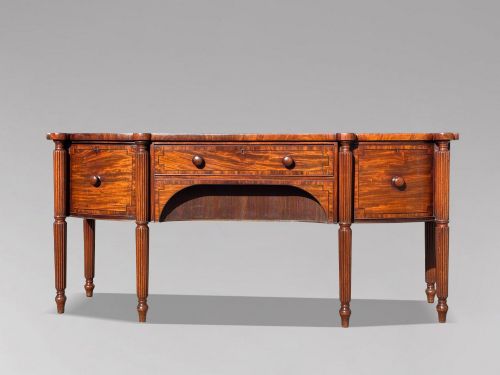
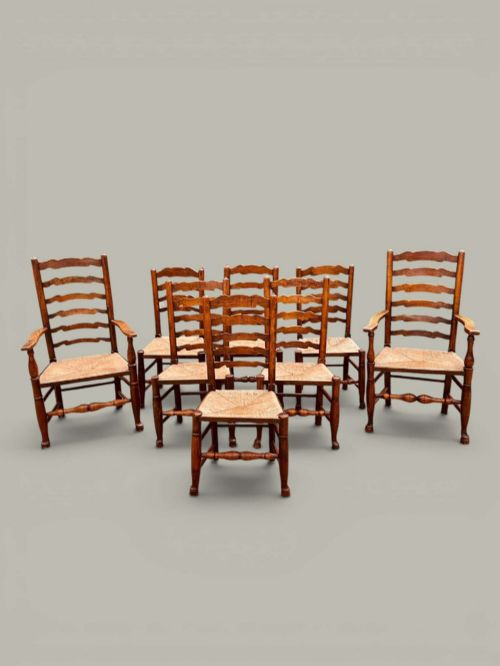
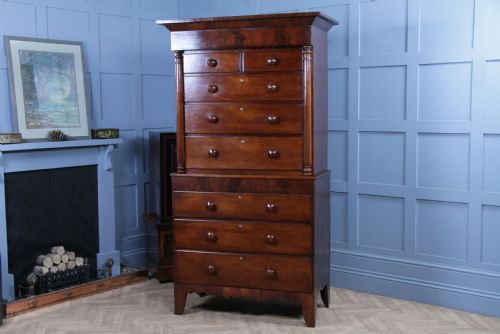
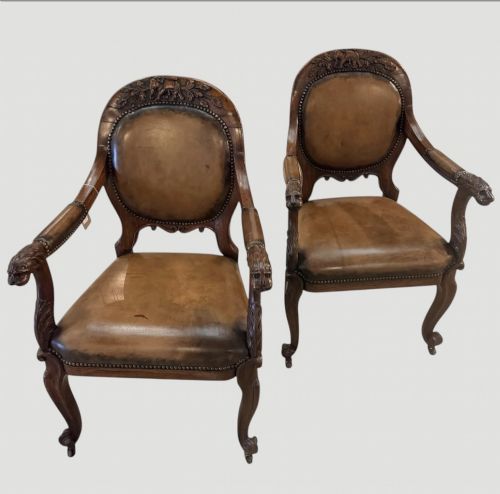
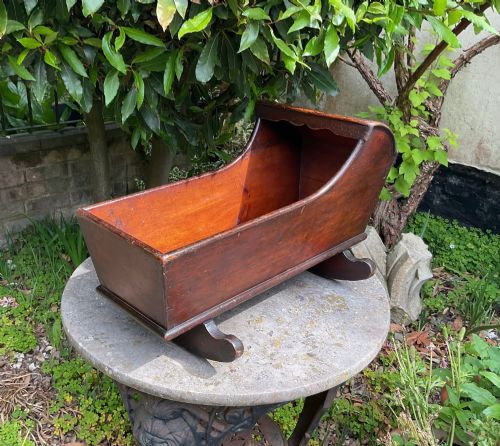
When you search for c1830 furniture, you are looking at items created during a transitional period spanning the late Georgian, Regency, and William IV eras. The pieces recorded here include substantial chests of drawers, sofa tables, side cabinets, armchairs, washstands, and doll furniture.
Mahogany and rosewood dominate the listings, frequently paired with brass, leather, and pine. You are most likely to encounter formal case furniture and seating that display the craftsmanship of the early nineteenth century.
The objects bridge the refined restraint of the Georgian era and the heavier, more decorative tastes of the Victorian period. They serve well in contemporary homes as functional storage or striking occasional pieces.
How they were made
Cabinet makers utilised dense, richly figured hardwoods such as mahogany and rosewood for primary visible surfaces, often selecting pine for secondary framing and internal drawer linings. Timber was seasoned carefully to prevent warping in large forms like chests of drawers and sideboards.
Surfaces were hand-polished to accentuate the natural grain of the wood rather than covered with heavy lacquer. Brass inlays, cast ormolu mounts, and turned wooden components were applied with precision to enhance the architectural lines of tables and cabinets.
C1830 Furniture Retail Price Guide 2026
Typical asking prices for c1830 furniture among the pieces listed under this phrase on Sellingantiques today, from the lower quarter to the upper quarter. They describe what is for sale here now, not the wider market.
Listings span mahogany, rosewood, pine, brass, and marble across Georgian, Regency, and William IV styles.
What varies in quality
The tier of a piece depends heavily on the selection of timber veneers and the intricacy of the secondary details, such as turned legs and brass hardware. Superior examples display thoughtful grain matching across drawer fronts and harmonious proportions that elevate them above standard domestic production.
Originality of components also dictates the standing of an item, distinguishing workshop-built furniture from later alterations. Pieces bearing documented maker attribution command attention for their verified provenance and superior structural integrity.
C. Hindley
The C1830 Furniture Glossary
- Bowfront
- A curved cabinet front that swells outward in the centre. This shape softens the room and provides extra internal capacity in chests and sideboards.
- Sofa table
- A rectangular occasional table designed to stand in front of a sofa, featuring drop leaves at either end. They typically include small drawers beneath the top.
- Ormolu
- Gilded bronze mounted onto furniture as decorative embellishment. It reflects light and adds contrast against dark rosewood or mahogany surfaces.
- Bergere
- An enclosed armchair with upholstered sides and a cane or woven back. These chairs offer comfortable seating while maintaining a light visual profile.
- Tallboy
- A tall chest of drawers made in two sections, often combining a chest on chest configuration. This form maximises vertical storage space in bedrooms.
C1830 Furniture: Frequently Asked Questions
What woods were used for c1830 furniture?
Cabinet makers relied primarily on solid mahogany and rosewood for visible exterior surfaces, frequently selecting pine for internal carcases and secondary framing.
These dense timbers were chosen for their durability and capacity to take a deep, polished finish that highlighted the natural grain.
Are sofa tables practical for modern living?
Sofa tables function well as compact writing desks, hallway consoles, or dining tables when the drop leaves are fully extended.
Their narrow depth allows them to sit comfortably against walls or behind furniture without blocking walkways.
What is a corner washstand?
A corner washstand is a specialised triangular piece of furniture designed to fit neatly into room angles, originally built to hold a basin and pitcher.
Today, they adapt easily for use as plant stands, occasional lamp tables, or corner display units.