



C1820 Furniture
These c1820 furniture pieces offer robust mahogany, rosewood, and exotic timbers shaped during the Regency and Georgian periods for daily utility and display.
C1820 Furniture
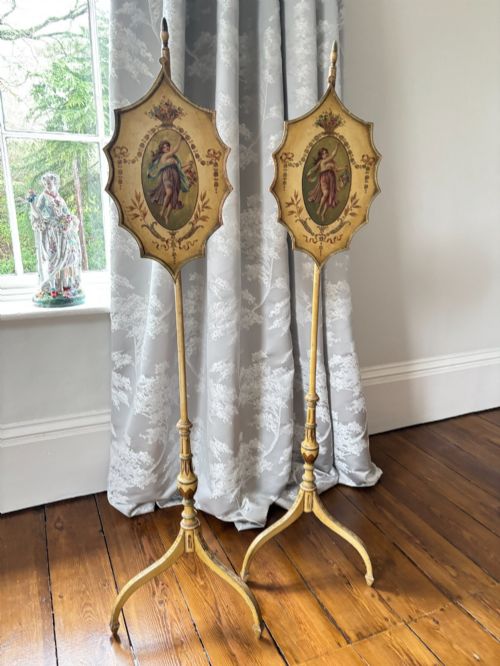
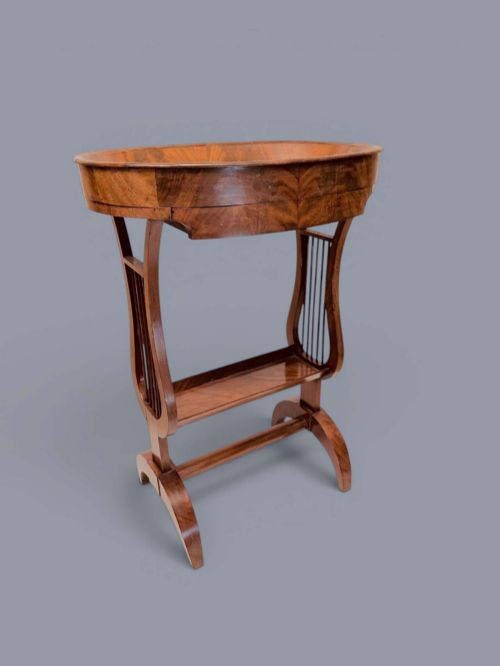
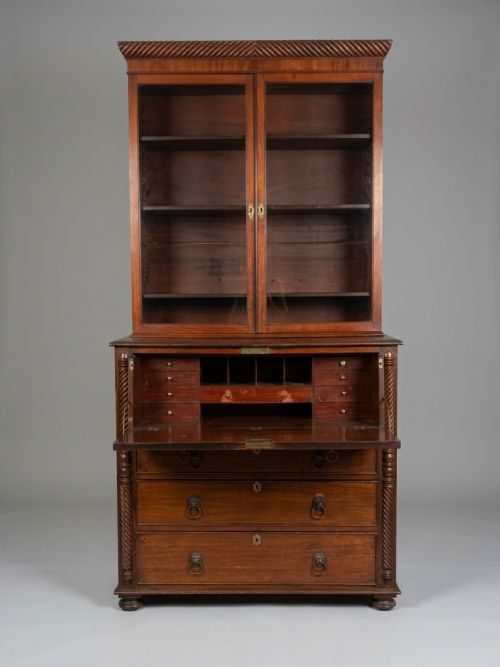
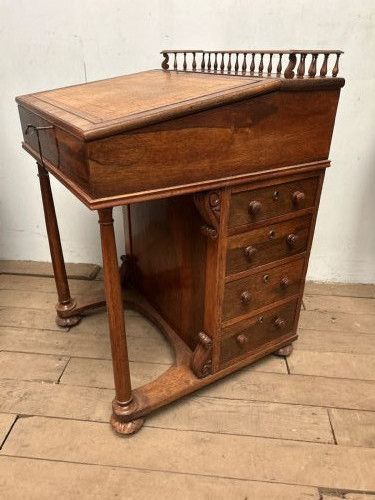
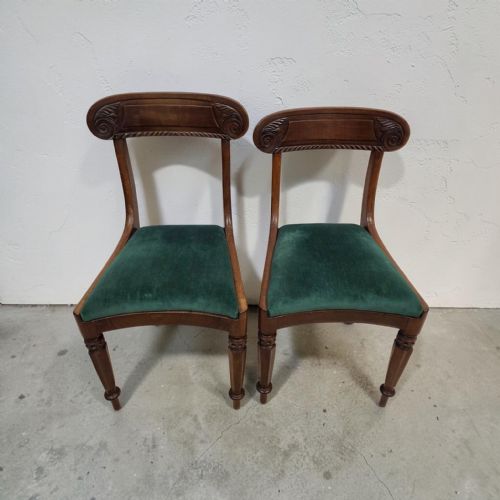
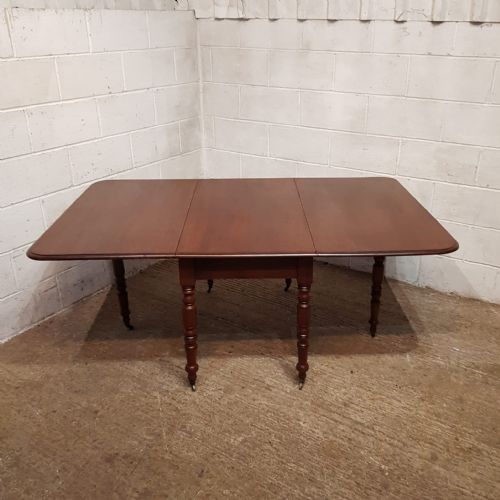
When you search for c1820 furniture, you encounter domestic items from the late Georgian, Regency, and George IV eras. The selections range from large dining tables and secretaire bookcases to smaller side tables, commodes, and seating.
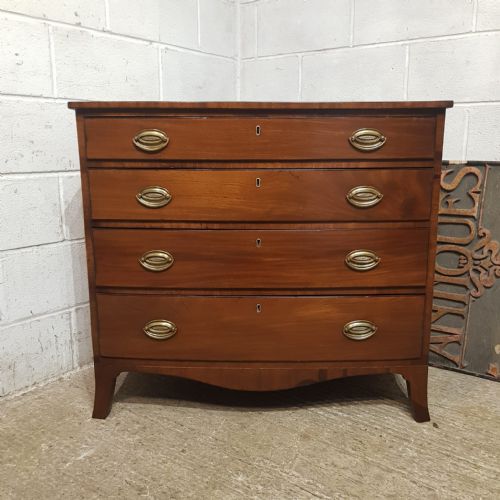
You are most likely to meet mahogany dining tables, chests of drawers, and side tables on this page. These pieces reflect the cabinet-making standards of the early nineteenth century across British, French, and German workshops.
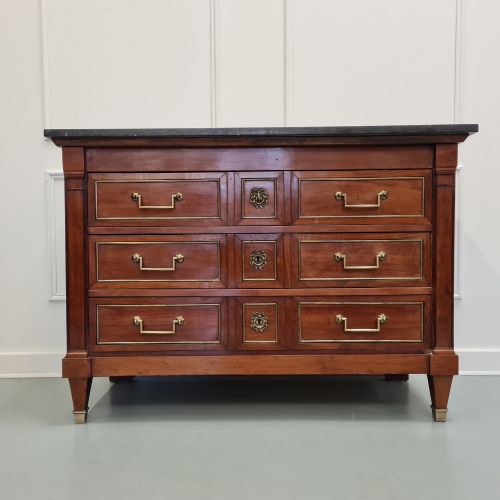
The objects combine functional storage and surface space with decorative timber grains. Forms span from simple bow-front chests to elaborate French Empire commodes and Biedermeier sofa tables.
How they were made
Cabinet makers utilised dense primary timbers like mahogany, rosewood, and Karelian birch, often applying veneers over secondary woods. Brass inlays, ormolu mounts, and giltwood details were integrated into the construction of finer tables and commodes.
Upholstered items incorporated leather and velvet, while seating integrated materials such as cane, yew, and elm. Glass panels and marble tops completed specialised forms like trumeau mirrors and side tables.
C1820 Furniture Retail Price Guide 2026
Typical asking prices for c1820 furniture among the pieces listed under this phrase on Sellingantiques today, from the lower quarter to the upper quarter. They describe what is for sale here now, not the wider market.
Listings feature pieces from the Regency, Georgian, and 19th Century periods, constructed primarily in mahogany, rosewood, and marble.
What varies in quality
The distinction between tiers rests upon timber selection and surface figure, such as the depth of grain in goncalo alves or rosewood veneers. Finer items exhibit precise brass stringing, well-cast ormolu mounts, and carefully matched wood selections across prominent surfaces.
Structural integrity and the retention of original hardware, marble slabs, or caning dictate the standing of individual items. Simpler provincial pieces differ significantly from elaborately carved French Neoclassical or Biedermeier examples.
The C1820 Furniture Glossary
- Regency
- A British design period spanning the early nineteenth century characterised by classical revival motifs and refined cabinet work.
- Biedermeier
- A Central European style emphasising clean lines, utilitarian comfort, and the natural grain of timbers like Karelian birch.
- Ormolu
- Cast bronze mounted and finished with a gold-coloured mercury amalgam, utilised extensively on French Empire and Biedermeier furniture.
- Goncalo Alves
- A dense exotic hardwood with striking contrasting grain patterns, employed for high-status dining tables of the period.
- Trumeau
- A decorative wall mirror often paired with a matching console table in French interiors of the era.
C1820 Furniture: Frequently Asked Questions
How do I identify c1820 furniture?
You identify pieces from this era by examining the combination of timber choices, such as solid mahogany and rosewood veneers, alongside characteristic Regency or late Georgian proportions.
Hardware styles, construction joints, and decorative motifs like brass inlays or ormolu mounts provide further clues to the manufacturing date.
What woods were used around 1820?
Makers relied heavily on mahogany as the primary structural and veneer timber, complemented by rosewood, goncalo alves, and Karelian birch for decorative effect.
Provincial and seating items additionally utilised native timbers such as yew, elm, and bleached woods for specific functional requirements.
Where was this furniture made?
Production occurred across British workshops in England and Scotland, alongside continental centres in France and German-speaking regions.
Imported styles also reflect Anglo-Indian production methods tailored for British households during the early nineteenth century.
How do I care for rosewood and mahogany?
Protect antique timber surfaces from direct sunlight and steady heat sources to prevent the underlying veneers from drying and cracking.
Maintain the finish through gentle dusting with a soft cloth, avoiding modern silicone sprays or harsh chemical cleaning agents.