



C1800 Furniture
These c1800 furniture pieces bring Georgian and Regency craftsmanship into daily use, offering solid timber construction and enduring design.
C1800 Furniture
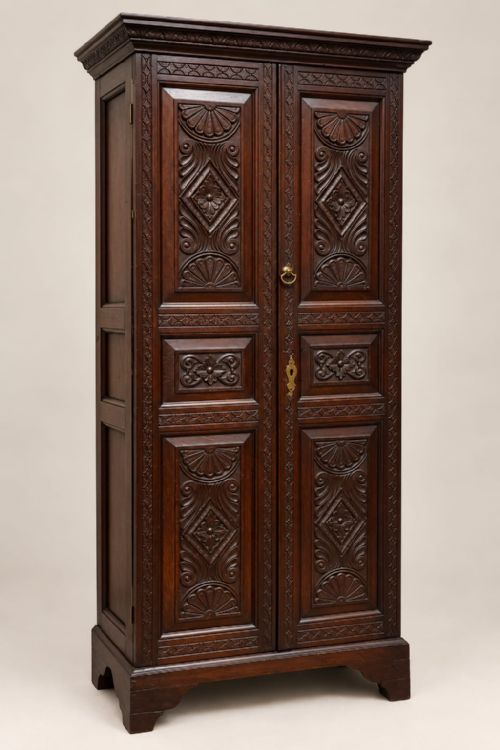
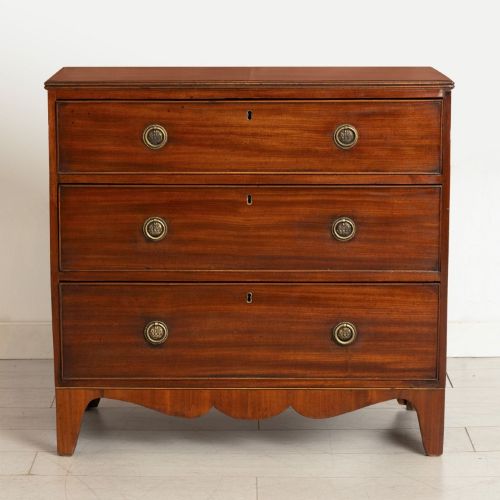
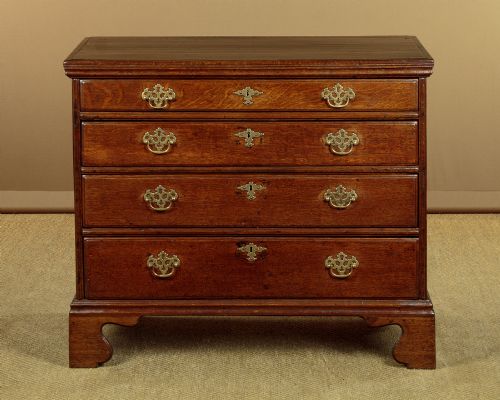
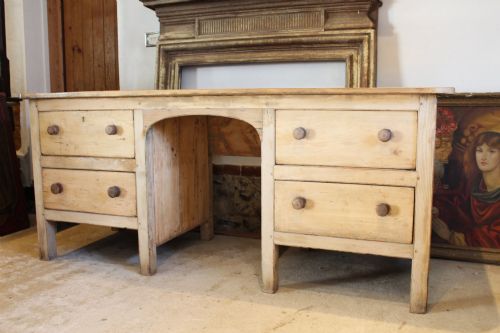
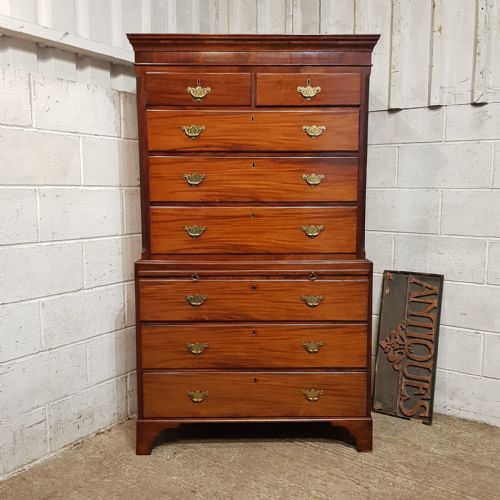
When you search for c1800 furniture, you encounter practical domestic items from the Georgian and Regency periods. These pieces include chests of drawers, desks, cupboards, cabinets, chairs, wardrobes, and occasional tables.
The selections span distinct regional styles, moving from formal mahogany breakfront wardrobes and kneehole desks to country oak cupboards, pine dressers, and primitive table chairs.
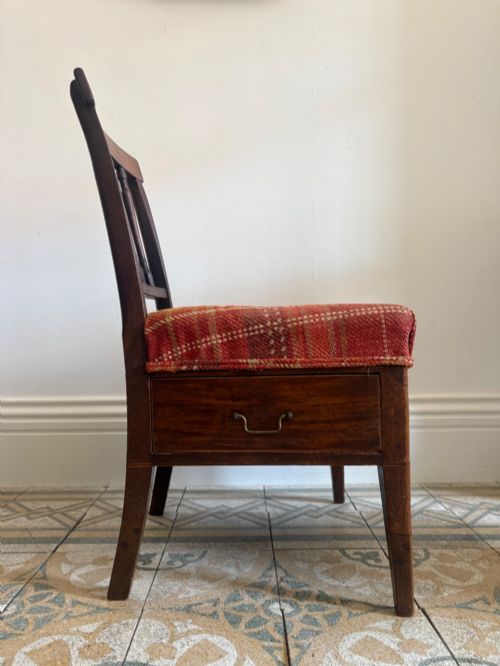
Maker signatures appear occasionally, such as French examples by Gamichon A Paris, alongside miniature Dutch marquetry cabinets and country beech chairs fitted with drawers.
Materials and construction
Cabinet makers relied heavily on timber variety, building primary structures in mahogany, oak, pine, and beech, while incorporating sycamore and walnut for secondary elements or contrasting details.
Surface decoration involved crossbanding, curl mahogany veneers, painted finishes, and intricate Dutch marquetry work on miniature pieces.
Hardware and functional additions typically utilised cast brass for handles, alongside fabric upholstery on seating and specialised drawer mechanisms within country chairs and desks.
C1800 Furniture Retail Price Guide 2026
Typical asking prices for c1800 furniture among the pieces listed under this phrase on Sellingantiques today, from the lower quarter to the upper quarter. They describe what is for sale here now, not the wider market.
What defines quality in these pieces
Quality rests on the selection of timber, visible in the choice of curl mahogany or finely grained oak rather than plain utility boards. Superior pieces exhibit precise crossbanding and deliberate contrast in secondary woods.
Construction integrity separates standard domestic items from finer productions, seen in the proportion of a chest on chest or the complexity of a breakfront wardrobe and kneehole desk.
Design ambition also marks the hierarchy, ranging from simple primitive table chairs to sophisticated French bonheur du jour writing desks and detailed Dutch marquetry cabinets.
The C1800 Furniture Glossary
- Crossbanding
- A decorative border technique where thin strips of veneer are laid perpendicular to the grain of the main surface. This frames the top of a chest of drawers.
- Breakfront
- A cabinet or wardrobe whose central section projects forward from the flanking sections. It adds depth and architectural presence to large pieces like wardrobes.
- Bonheur du Jour
- A small, light French writing desk featuring a tiered superstructure with drawers or pigeonholes above the main writing surface. These desks appeared around the turn of the nineteenth century.
- Kneehole desk
- A writing desk with a central recess for the sitter's legs, flanked by pedestals of small drawers. Georgian examples often conceal storage behind modest proportions.
C1800 Furniture: Frequently Asked Questions
How do I identify a c1800 piece?
Look for structural markers such as Georgian or Regency proportions, hand-cut dovetails in the drawer construction, and period timber choices like Cuban mahogany and native oak.
Hardware styles, including brass handles fixed to solid drawer fronts, also help anchor a piece firmly around the turn of the nineteenth century.
Were these items meant for daily use?
Domestic pieces from this era were built entirely for practical household tasks, serving as storage chests, writing surfaces, dining seating, and kitchen workstations.
Today, they continue to function in modern interiors precisely because their original purpose was robust, everyday utility.
How do I care for antique mahogany and oak?
Maintain timber surfaces by keeping them away from direct heat sources and sudden humidity changes that cause wood to split or warp.
Apply traditional wax polish sparingly to nourish the grain, buffing gently with a soft cloth to preserve the natural lustre of the polish.
What is the difference between Georgian and Regency styles?
Georgian design generally emphasises classical architectural proportions, substantial timber use, and understated decorative carving. Regency pieces lean toward lighter, neoclassical influences inspired by ancient Rome and Greece.
Transitioning through the turn of the century, Regency furniture often incorporates contrasting timbers like beech and mahogany within inventive chair and table forms.