

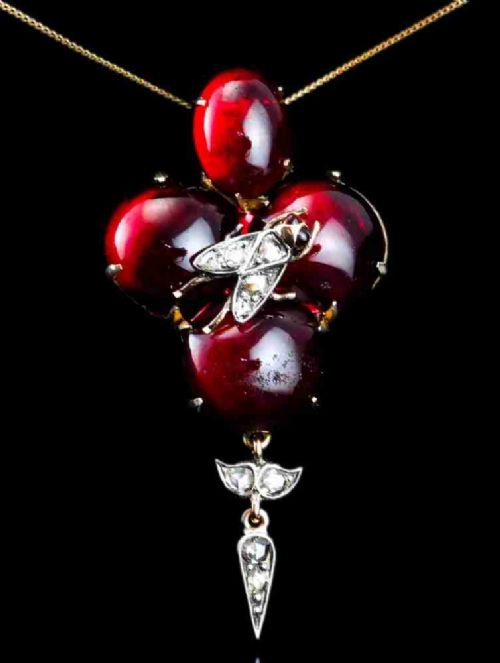


C 1880 Brooch
A c 1880 brooch offers late Victorian craftsmanship in gold, silver, and hardstone, prized for convertible settings and intricate gem arrangements.
C 1880 Brooch
When searching for a c 1880 brooch, buyers encounter late Victorian jewellery that often functions as both a pendant and a brooch, serving versatile roles in nineteenth-century dress.
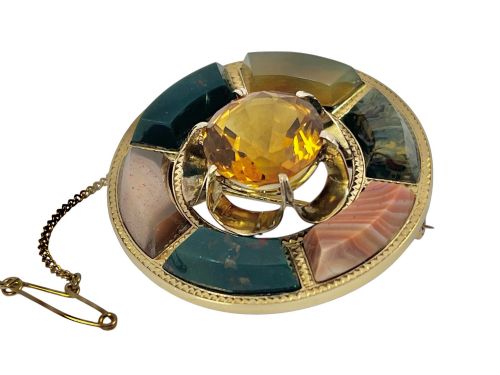
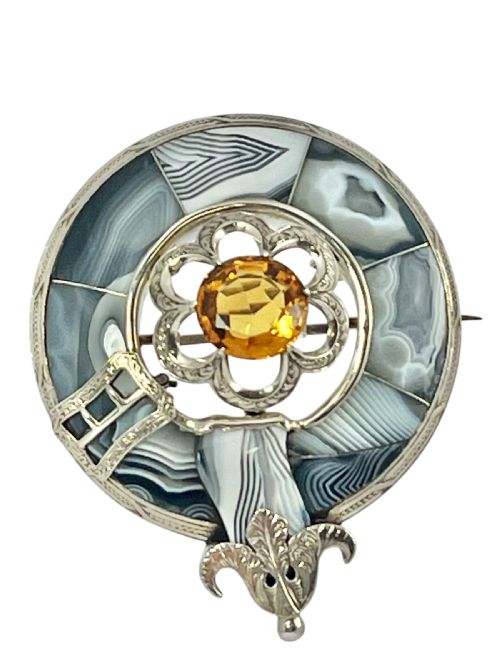
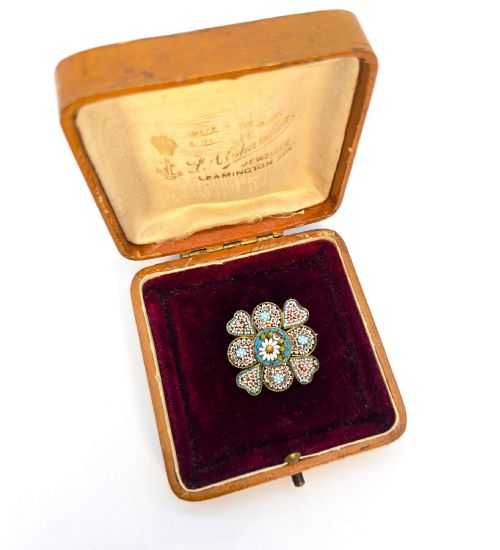
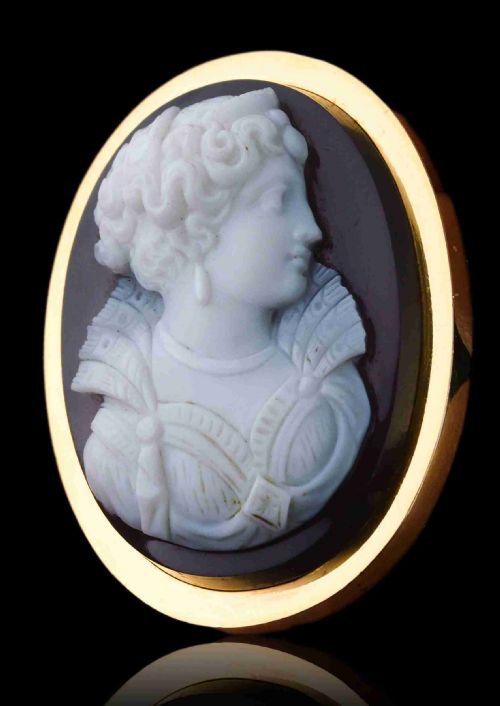
The pieces on this page span regional Scottish Revival pebble designs, French micromosaic and cameo work, and gem-set floral or star motifs rooted in Victorian traditions.
Silver, gold in various purities, and stones such as agate, citrine, garnet, and diamond dominate the forms, reflecting the material breadth of the period.
Materials and construction
Maker techniques combine silver settings over gold backs or solid yellow gold mounts to secure diamonds, pearls, and coloured gemstones.
Hardstones like agate and bloodstone are cut and polished for regional Scottish pebble pieces and classical Italian micro mosaic or cameo plaques.
C 1880 Brooch Retail Price Guide 2026
Typical asking prices for c 1880 brooch among the pieces listed under this phrase on Sellingantiques today, from the lower quarter to the upper quarter. They describe what is for sale here now, not the wider market.
Quality factors
Distinctions in quality rest on the precision of stone cutting, the complexity of metalwork such as foliate motifs or silver star settings, and the integrity of convertible mechanisms.
Pieces featuring natural pearls, well-matched diamonds, or detailed hand-carved cameos and hardstone panels represent the upper tier of period production.
The C 1880 Brooch Glossary
- Agate
- A form of chalcedony quartz used extensively in Victorian Scottish Revival jewellery for its banded patterns and rich natural colours.
- Cabochon
- A gemstone shaped and polished with a smooth convex surface rather than faceted with flat planes.
- Micromosaic
- Tiny coloured glass tesserae assembled into intricate pictorial plaques, frequently mounted in brooches.
- Convertible
- A piece of jewellery designed with detachable loops or bails to be worn interchangeably as a brooch or a pendant necklace.
C 1880 Brooch: Frequently Asked Questions
How do I wear a c 1880 brooch?
Many of these pieces include integrated loops that allow a brooch to double as a pendant on a chain.
Pin fastenings from this era typically use a C-clasp and extended pin mechanism rather than modern safety catches.
What materials are common in these brooches?
Gold of varying carats alongside silver-topped settings frequently support diamonds, pearls, rubies, and sapphires.
Hardstones like Montrose agate, bloodstone, and labradorite also feature prominently in regional styles.
Are these brooches distinctly Victorian?
The pieces align with the Victorian era and the year 1880, incorporating characteristic design motifs such as stars, crescents, and foliate scrolls.
Regional variations include Scottish Revival pebble designs and French cameo or micro mosaic works.
What is Scottish Revival jewellery?
This style draws on traditional Scottish forms, utilising banded agates and jaspers mounted in silver or gold to mimic Highland ornamentation.
Victorian makers popularized these pebble brooches following royal patronage of Balmoral.