
Buttoned Bedroom Chair
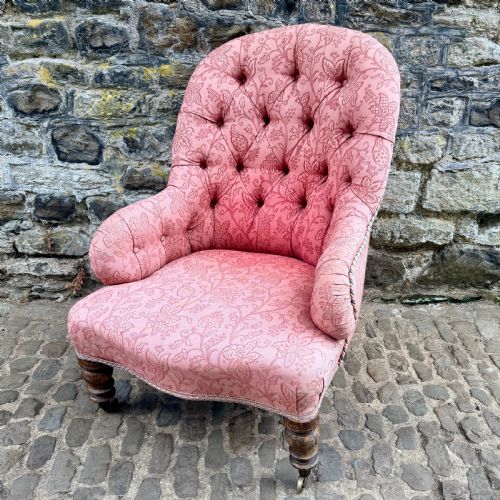
A buttoned bedroom chair brings low-slung comfort and deep-buttoned charm to a dressing room or parlour.
Buttoned Bedroom Chair
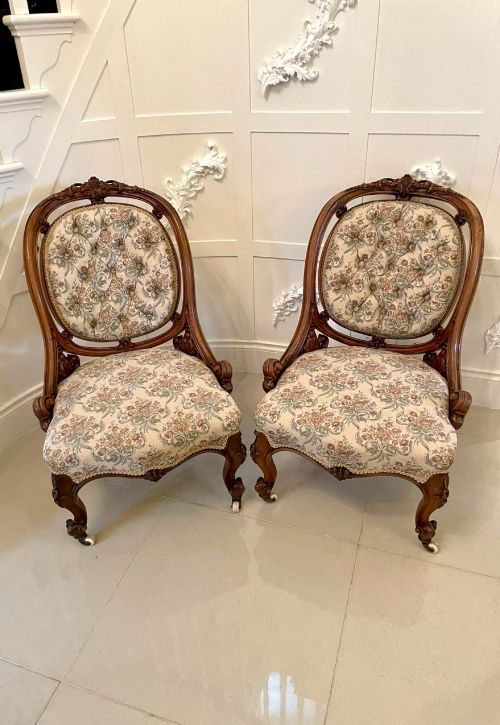
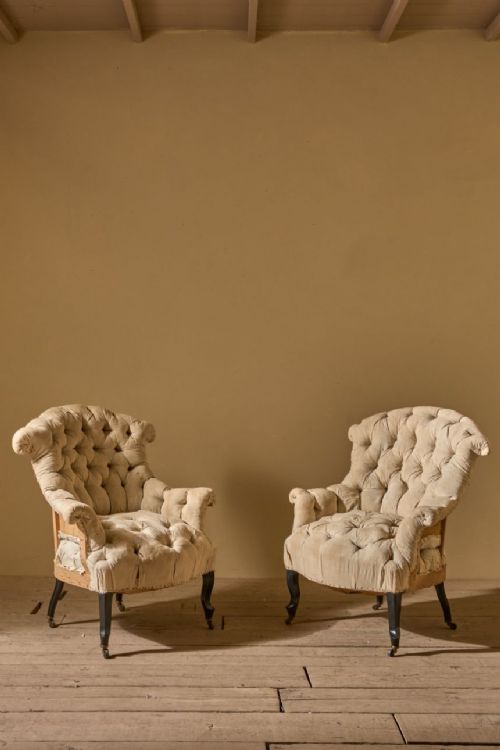
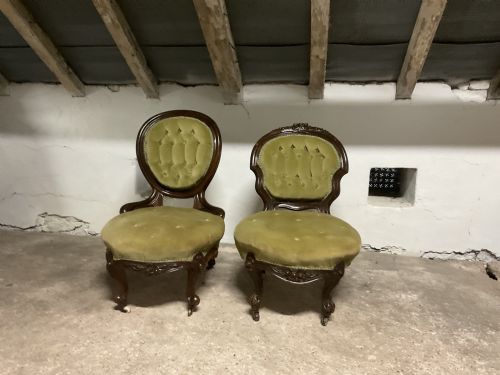
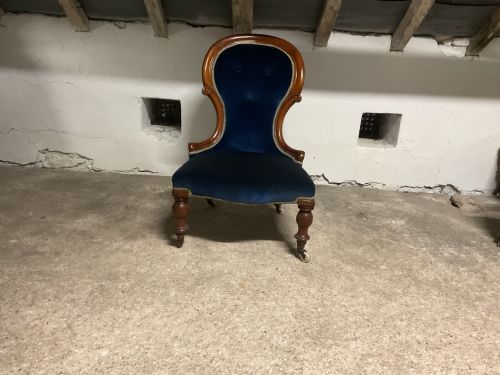
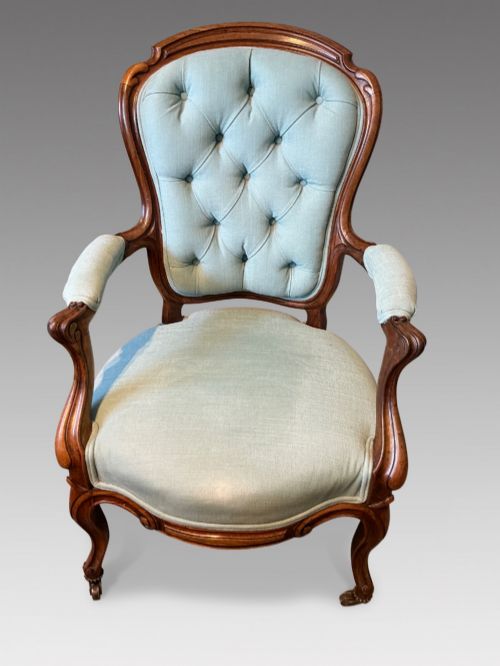
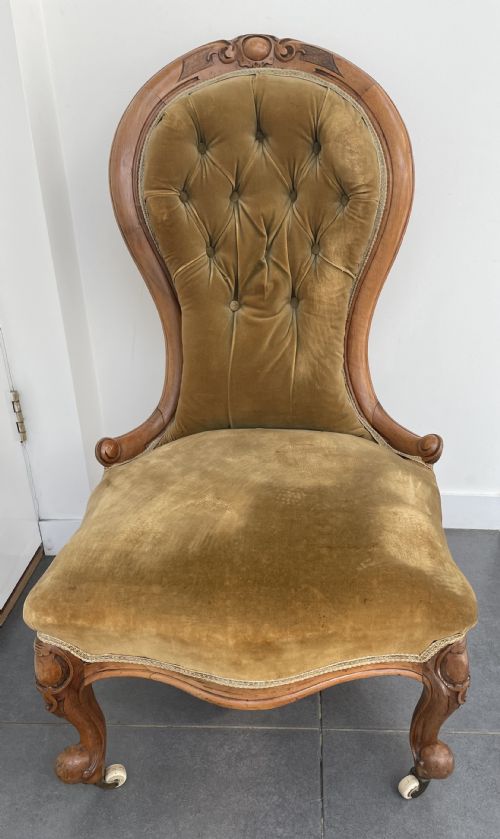
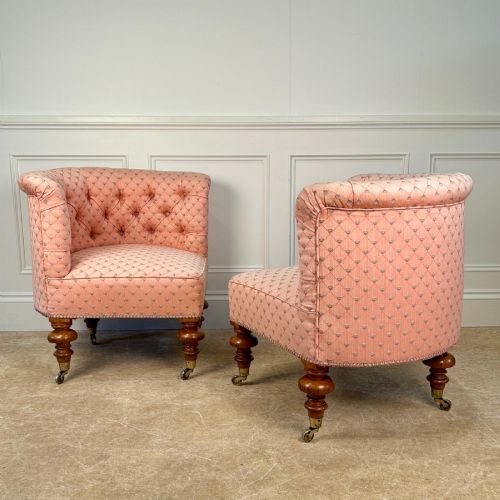
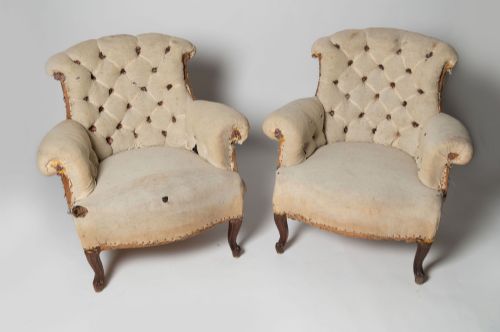
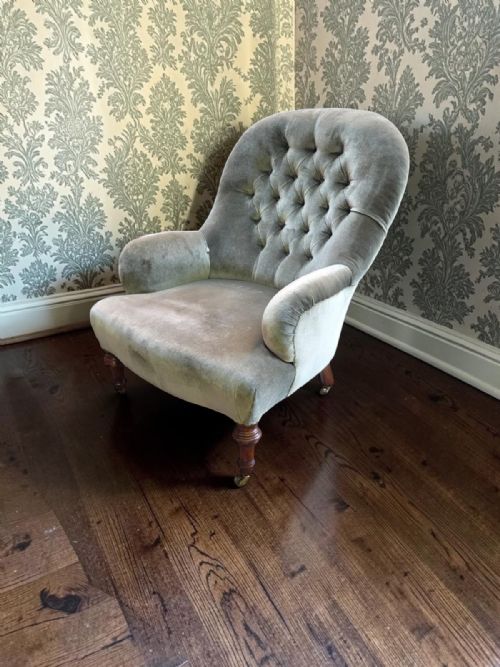
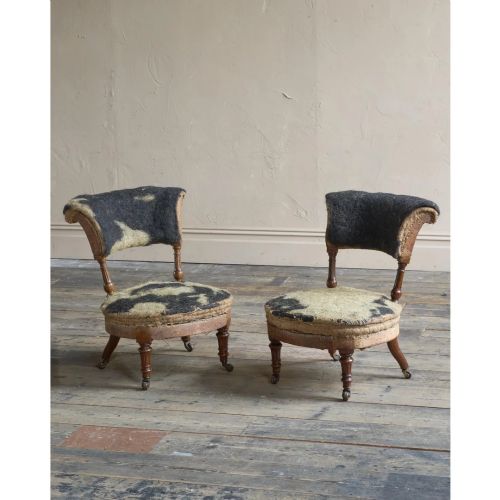
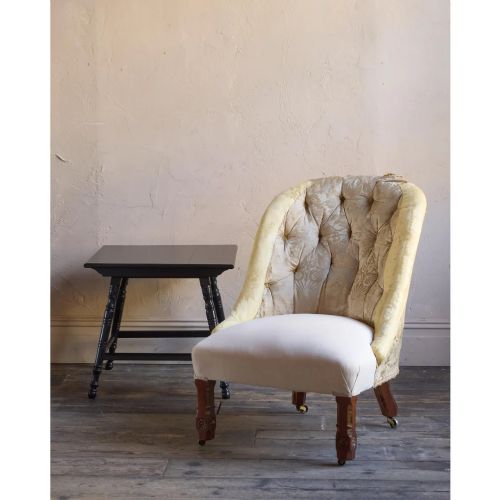
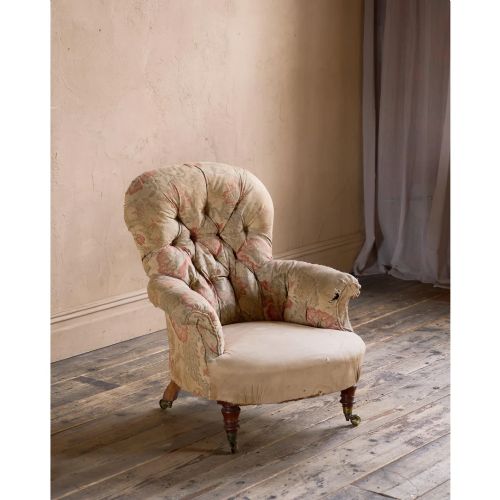
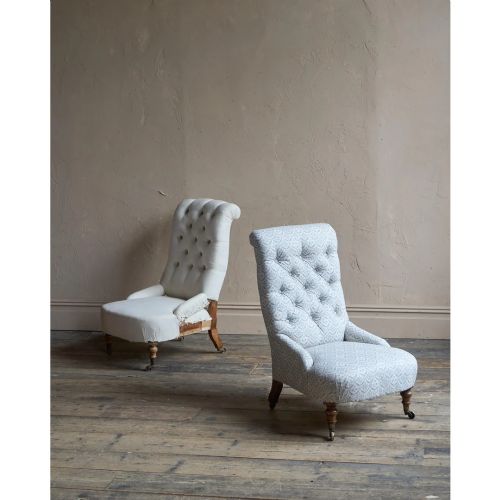
When you search for a buttoned bedroom chair, you encounter a variety of low-seated upholstered forms designed primarily for private chambers and dressing rooms during the nineteenth and early twentieth centuries. These pieces span Victorian, Edwardian, and French Napoleon III periods, often taking the form of nursing chairs, slipper chairs, or compact armchairs.
How they were made
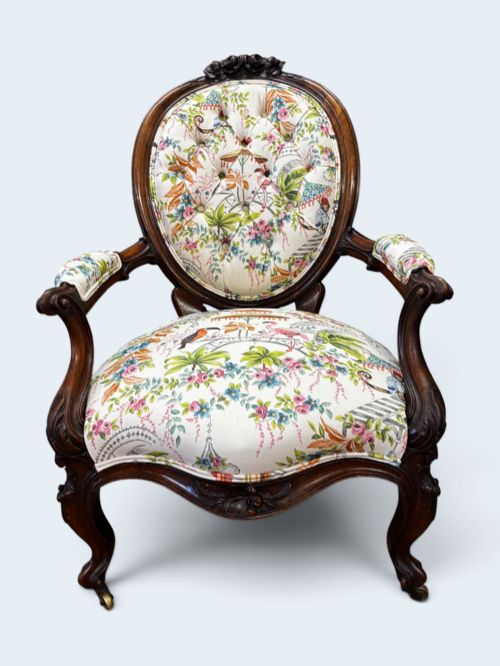
The framework of a buttoned bedroom chair relies on timber such as walnut, mahogany, oak, or rosewood, shaped with hand-carved details or turned supports like barley twists. Cabinetmakers constructed these frames to be sturdy yet compact, often incorporating brass castors on the legs for ease of movement across carpets.
Upholstery techniques define the character of these pieces, utilising traditional stuffing secured with deep buttons through the fabric back. Materials range from period velvets and leathers to contemporary textiles like Robert Kime fabrics, fixed to iron-back or wooden frames.
Some nineteenth-century chairs arrived on brass castors so owners could chase the bedroom fireplace warmth.
What varies in quality
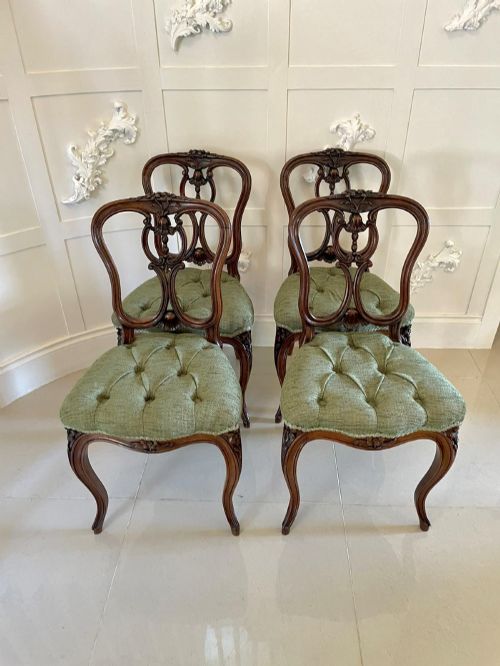
The distinction between standard examples and superior pieces rests upon the crispness of the timber carving and the elegance of the frame's proportions. Finer chairs exhibit carefully selected veneers, well-turned wooden legs, and robust structural joinery that withstands the pressures of deep upholstery.
Originality of the frame and the retention of maker stamps elevate certain pieces above ordinary workshop production. Chairs that retain their balanced proportions and harmonious integration of wood and fabric represent the pinnacle of period seating design.
Holland & Sons·Gillows·Robert Kime
The Buttoned Bedroom Chair Glossary
- Nursing chair
- A low-seated Victorian chair designed originally to allow a mother to feed an infant comfortably. These pieces typically feature no arms to accommodate voluminous nineteenth-century dresses.
- Slipper chair
- A low-profile upholstered chair with no arms, traditionally kept in a bedroom for changing shoes. They share a similar low stature with nursing chairs.
- Button back
- An upholstery method where tufts of fabric are pulled deep into the padding and secured with covered buttons. This creates a diamond pattern across the backrest.
- Balloon back
- A rounded, oval-shaped wooden backrest resembling a balloon, popular on Victorian dining and occasional chairs. The curved timber frame surrounds a central upholstered panel.
- Tub chair
- An armchair featuring a continuous curved back and arms forming a rounded enclosure. This style wraps around the sitter for added cosiness.
Buttoned Bedroom Chair: Frequently Asked Questions
What is a buttoned bedroom chair used for?
These low seats served practical functions in nineteenth-century dressing rooms and bedchambers, providing comfortable seating for grooming or putting on footwear. Their compact dimensions allowed them to fit easily into smaller private spaces.
Today, they function well as accent seating in modern bedrooms, studies, or hallways, adding period character without dominating a room.
How do I distinguish a Victorian chair from an Edwardian one?
Victorian pieces, generally dating from the mid-to-late nineteenth century, often display rich dark timbers like rosewood and walnut, alongside heavy button-tufted upholstery and ornate carved details. They frequently take compact forms such as nursing or slipper chairs.
Edwardian examples from the early twentieth century tend to feature lighter mahogany or satinwood frames with simpler lines and softer proportions, reflecting a shift towards lighter domestic interiors.
Are these chairs comfortable for daily sitting?
Most period examples offer a surprisingly supportive sit thanks to traditional sprung seats and deep padding. Their lower height encourages a relaxed posture rather than an upright dining position.
Some antique chairs may require traditional reupholstery to restore the original firmness of the springs and internal stuffing if they have softened over the decades.
Can I use modern fabric on an antique frame?
Upholstering period frames in contemporary textiles is a common practice that breathes new life into nineteenth-century seating. Many pieces survive with recent fabric coverings chosen to complement modern interiors while respecting the historic shape.
Selecting a fabric that suits the scale of the buttoned back ensures the visual balance of the chair remains undisturbed.