

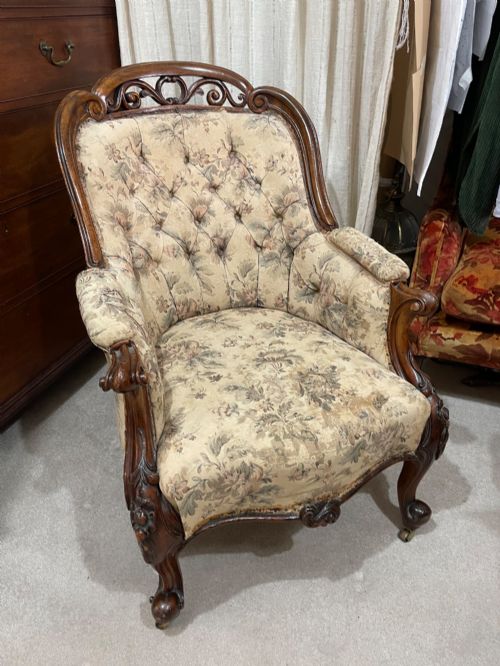
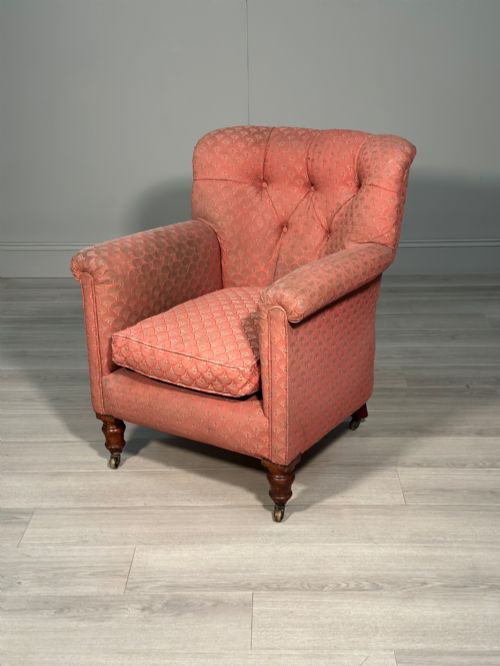
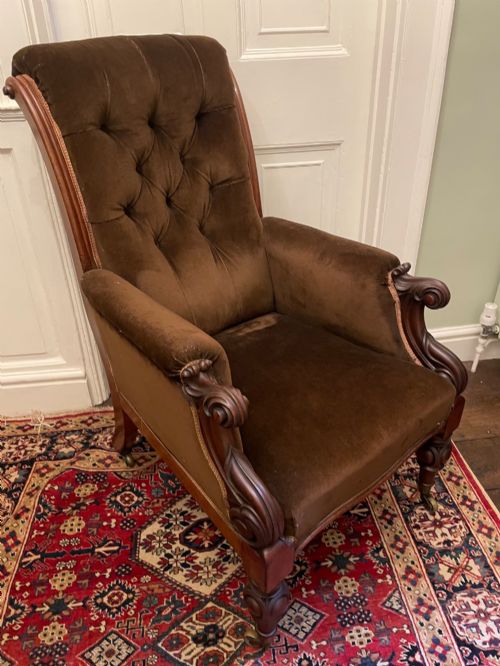
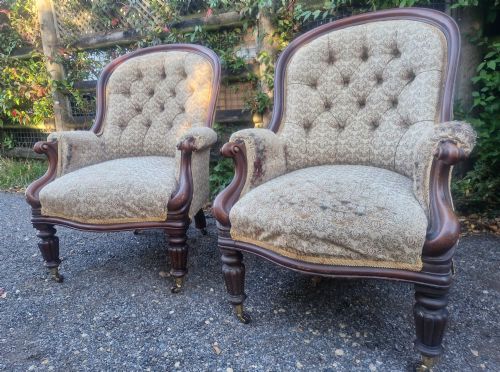
Buttoned Arm Chair
A buttoned arm chair offers deep-buttoned comfort and period elegance, making it an essential fireside or library centrepiece.
Buttoned Arm Chair
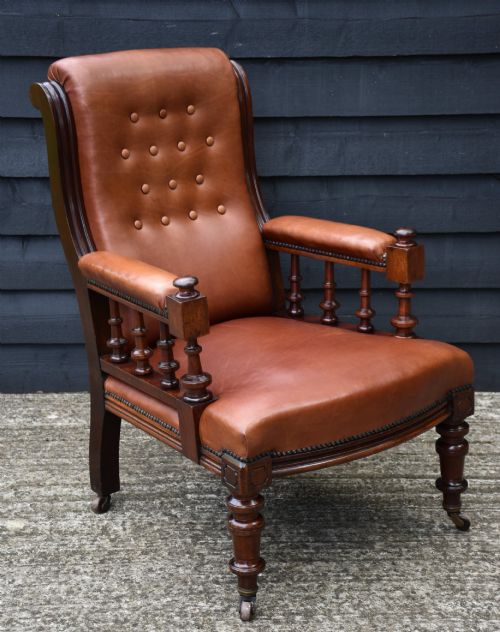
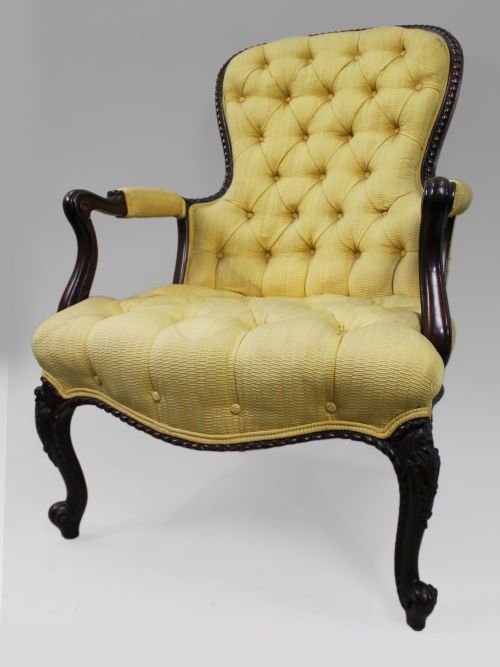
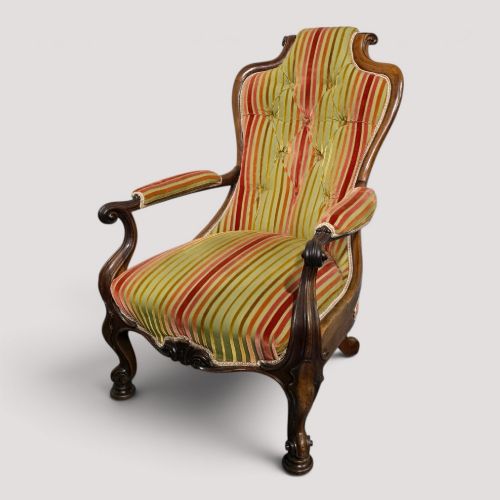
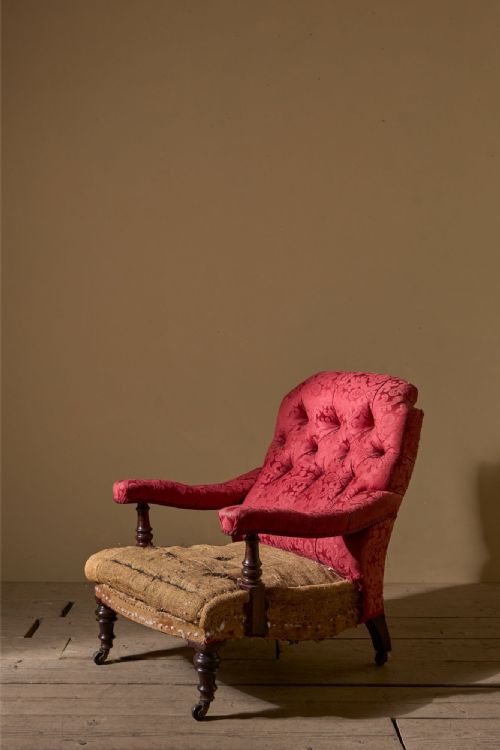
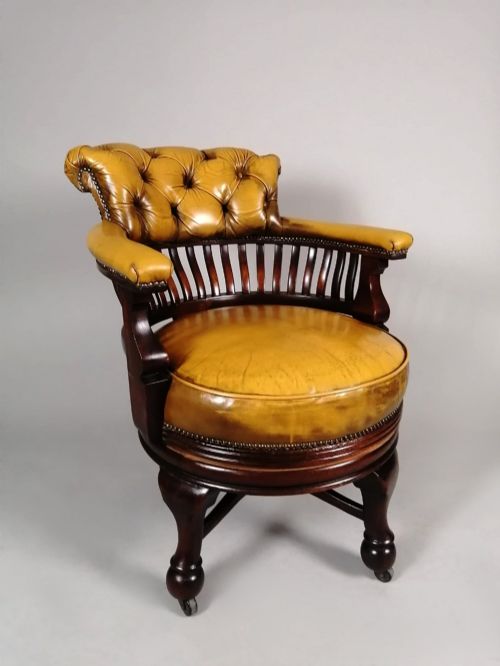
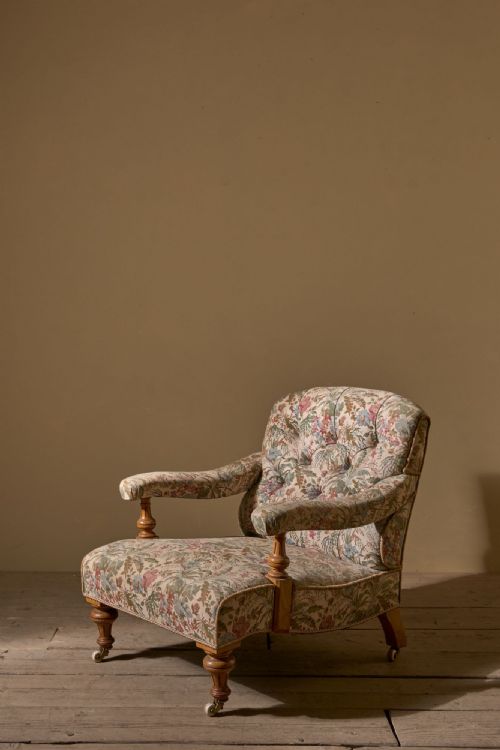
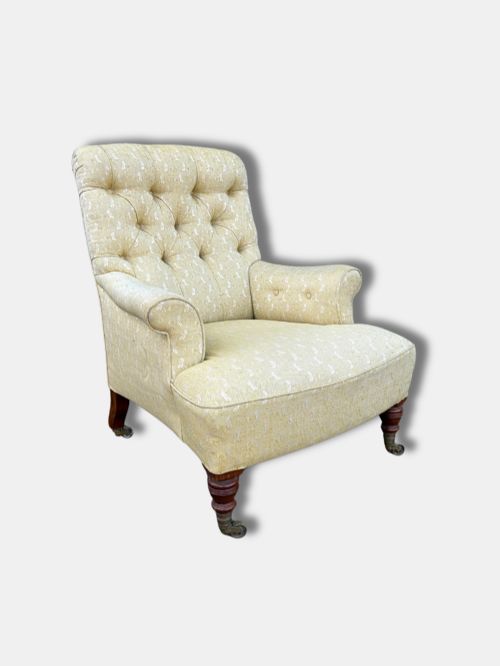
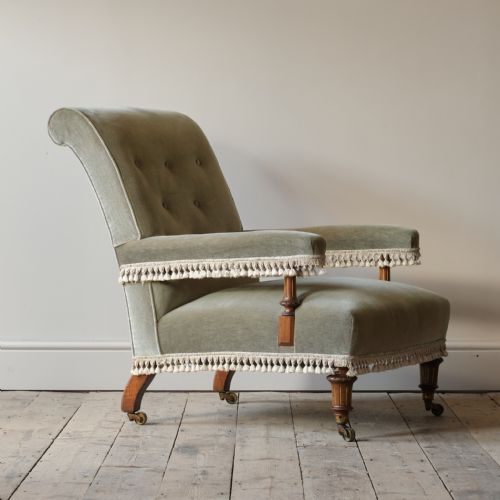
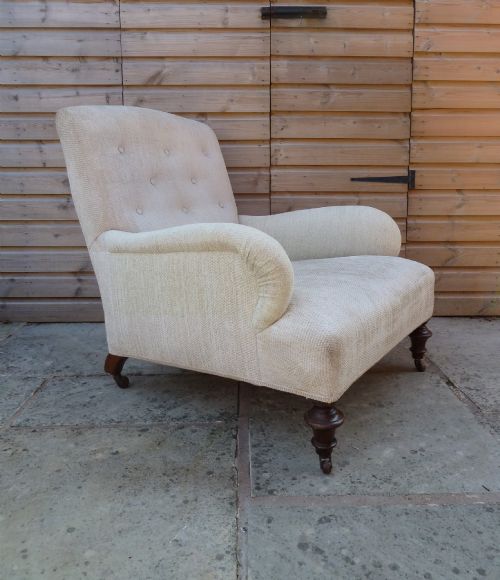
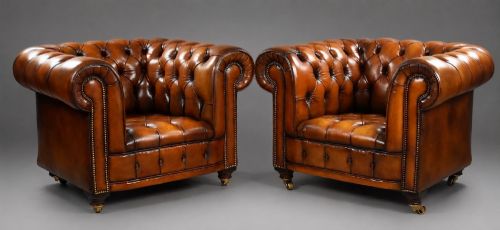
A buttoned arm chair encompasses nineteenth-century seating, drawing primarily from Victorian, Regency, and Edwardian periods. Buyers encounter mahogany, walnut, and rosewood frames alongside leather, velvet, and fabric upholstery.
The selection ranges from library and desk chairs to bedroom fireside chairs and low tub chairs. Victorian examples dominate, often featuring traditional English country house proportions and signature button-back padding.
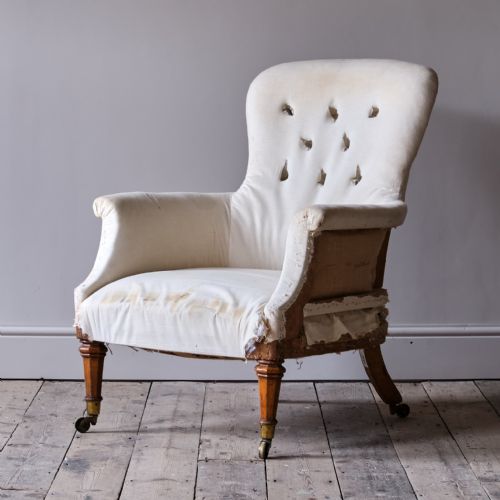
Makers such as Gillows and Howard and Sons appear alongside robust vernacular country house pieces. Frames vary from open wood structures to fully upholstered springs.
How they were made
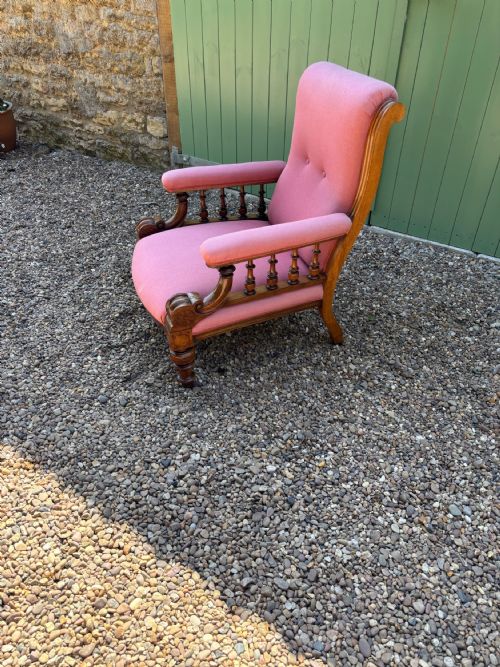
Timbers like mahogany, rosewood, and walnut form the exposed showwood frames and structural supports. Brass castors and detailed wood carvings frequently finish the legs and arms.
Upholstery relies on traditional stuffing secured beneath leather, velvet, linen, or damask. Deep buttoning pulls the fabric tight against the interior padding to create the characteristic geometric indentations.
Buttoned Arm Chair Retail Price Guide 2026
Typical asking prices for buttoned arm chair among the pieces listed under this phrase on Sellingantiques today, from the lower quarter to the upper quarter. They describe what is for sale here now, not the wider market.
Some nineteenth-century armchairs feature hidden revolving mechanisms designed for busy nineteenth-century librarians who needed to pivot between adjacent bookshelves.
What varies in quality
The distinction between ordinary and exceptional pieces rests in the timber selection and the precision of the frame carving. Dense, figured rosewood and richly grained mahogany indicate a higher grade of workshop production.
Upholstery execution dictates the enduring comfort and line of the piece. Crisp, even buttoning and high-grade leather or heavy velvet separate standard seating from premier workshop output.
Howard and Sons·Gillows
The Buttoned Arm Chair Glossary
- Button-back
- Upholstery style where deep buttons are pulled through the padding at regular intervals to form a diamond pattern. This technique secures the internal stuffing while creating a tailored visual texture.
- Showwood
- Timber frame sections left visible around the upholstered areas. These polished wooden rails display the grain and carving of the species.
- Library armchair
- Sturdy seating designed for reading rooms, typically upholstered in leather or heavy fabric. They prioritise durable support for prolonged study.
- Tub chair
- Seating featuring a rounded, enclosed back that curves continuously into low arms. This compact form suited nineteenth-century bedroom and parlour settings.
- Barley twist
- Turned wood detail resembling a twisted rope. Cabinet makers shaped uprights and stretchers in this spiral profile during the nineteenth century.
Buttoned Arm Chair: Frequently Asked Questions
What is a buttoned arm chair?
A buttoned arm chair is a nineteenth-century or Edwardian seat featuring deep-buttoned upholstery across the backrest. These chairs utilise timber frames including mahogany, walnut, and rosewood.
They appear in various forms such as library chairs, desk chairs, and low fireside seats. Upholstery materials range from supple leather to velvet, damask, and linen.
Where were they used?
These chairs served primarily in formal libraries, studies, and drawing rooms of English country houses. They provided sturdy, comfortable seating for reading and writing.
Smaller tub and fireside variants sat in bedrooms and parlours. Their diverse sizes suited both grand reception spaces and private chambers.
How do I date a Victorian buttoned arm chair?
Dating relies on examining the timber frame, turned leg styles, and upholstery construction methods. Mid nineteenth-century pieces often display dense mahogany frames with hand-carved details.
Later Victorian and Edwardian examples shift toward lighter woods, brass hardware accents, and altered spring configurations. Comparing the frame style to documented cabinet maker patterns helps narrow the decade.
How do I care for leather upholstery?
Leather upholstery requires regular dusting and occasional treatment with appropriate conditioning balms to prevent drying. Keeping the hide away from direct heat sources preserves its supple texture.
Avoid harsh chemical cleaners that strip natural oils. Gentle wiping with a soft, damp cloth maintains the finish.