




Button Back Armchair Oak
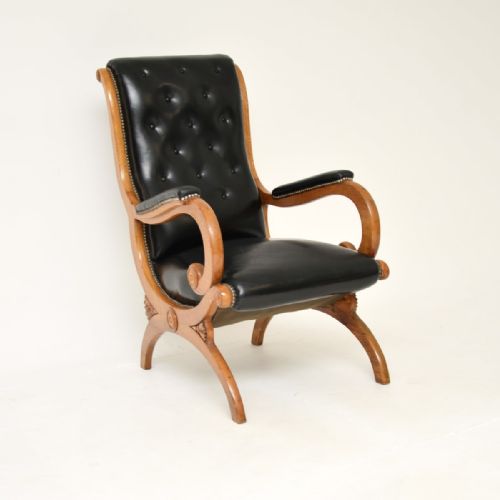
A button back armchair oak brings together sturdy timber and deep tufted cushioning for enduring comfort in a study or library.
Button Back Armchair Oak
A button back armchair oak combines a heavy wooden framework with upholstered seating designed for sustained support. These chairs emerge across the nineteenth and early twentieth centuries, spanning periods from the Victorian era up to the nineteen-twenties.
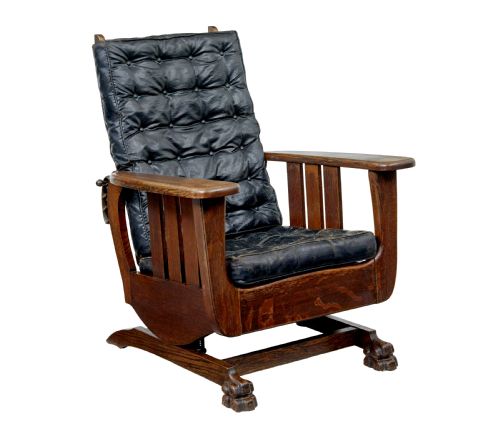
The selections here frequently take the form of desk chairs, library armchairs, and revolving office variants. Traditional rocking chairs and Gothic Revival designs also appear among the timber frames.
Origin styles stretch from Victorian and late Victorian pieces to Traditional American and French Art Deco examples. Buyers will regularly encounter polished oak and dark leather combinations across these functional forms.
Materials and construction methods
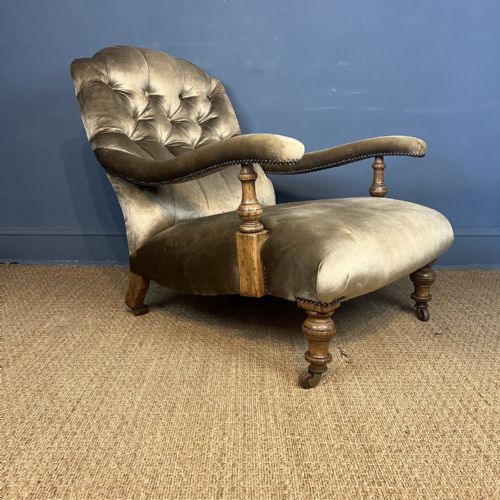
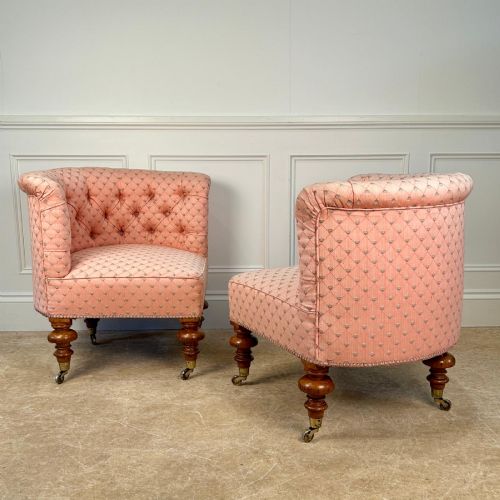
Makers constructed the supportive frameworks using solid oak alongside secondary timbers such as chestnut. Upholstery fabrics like leather and velvet were stretched over padding and secured to create the characteristic tufted finish.
Metal components including brass and steel studs, castors, and revolving mechanisms were integrated to add mobility and functional durability to the heavy wooden frames.
Button Back Armchair Oak Retail Price Guide 2026
Typical asking prices for button back armchair oak among the pieces listed under this phrase on Sellingantiques today, from the lower quarter to the upper quarter. They describe what is for sale here now, not the wider market.
Early seating includes sturdy cockfighting chairs designed so sitters could straddle the seat backwards while leaning on the padded top rail.
Distinctions in craftsmanship
The depth and precision of carved details upon the oak framework separate standard seating from exceptional examples. Heavily carved armchairs display a greater investment of hand labour by the cabinetmaker.
The integration of the leather upholstery and the regularity of the buttoning dictate the refinement of the finished seat. Superior pieces maintain tight tension across the hide while preserving the suppleness of the leather.
A.W.N. Pugin
The Button Back Armchair Oak Glossary
- Buttoned leather
- Upholstery secured with deep indentations held by fabric-covered or leather buttons. This technique creates a firm, tufted surface that distributes tension evenly across the backrest.
- Gothic Revival
- A nineteenth-century design movement inspired by medieval architecture. Pieces in this style often feature pointed arches, heavy linenfold panels, and elaborate tracery.
- Cockfighting chair
- A low, specialised armchair traditionally featuring a padded backrest designed to be straddled. The sitter faced backward with their arms resting on the top rail.
- Revolving desk armchair
- A swivel seat mounted on a central wooden or metal pillar, often supported by castors. These chairs allowed office workers to pivot easily between desks and filing areas.
- Aesthetic Movement
- A late nineteenth-century British design phase focused on art for art's sake. Furniture from this period often exhibits simplified structural lines and Japanese-inspired decorative motifs.
Button Back Armchair Oak: Frequently Asked Questions
How do I date an oak button back armchair?
Examine the construction joints, timber preparation methods, and the style of the upholstery beneath the seat. Victorian examples often display hand-turned components and traditional horsehair stuffing.
Compare the framing details against known regional cabinet-making practices of the nineteenth century. Archival records and historical design catalogues can help narrow down the decade of production.
Are these chairs suitable for daily office use?
Many nineteenth-century variants were built specifically as desk or library chairs to handle regular seating. Their sturdy oak frames provide robust structural support for daily tasks.
Ensure the revolving mechanisms and castors function smoothly before integrating an antique chair into a modern workspace. Regular conditioning of the leather will help preserve the upholstery.
What is the difference between a club chair and a library chair?
Library chairs generally feature exposed oak framing around the upholstered back and arms. Club chairs tend to have fully upholstered frames where the wooden structure is largely concealed.
Both forms utilise durable leather coverings designed to withstand heavy wear in domestic or professional interiors.
How should I care for the leather upholstery?
Apply a specialist leather balm periodically to maintain moisture and prevent the hide from cracking. Keep the timber frame polished with a traditional beeswax to protect the oak grain.
Position the armchair away from direct heat sources and strong sunlight to avoid fading the leather and drying out the wood.