





Bust of a Man
A bust of a man brings character and dignity to a room, ranging from classical bronze portraits to carved wood studies.
Bust of a Man
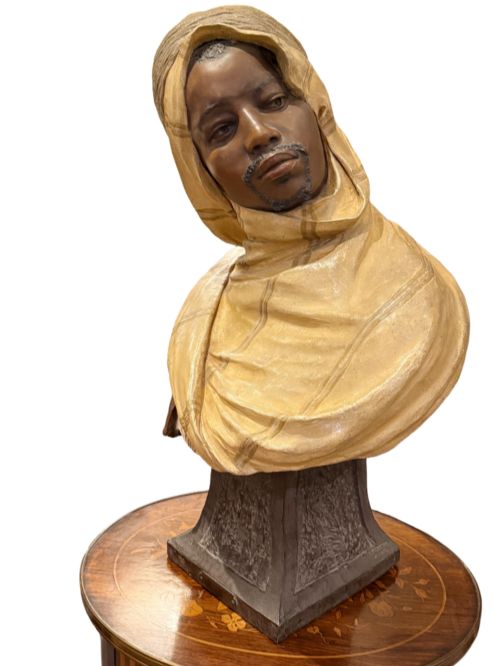
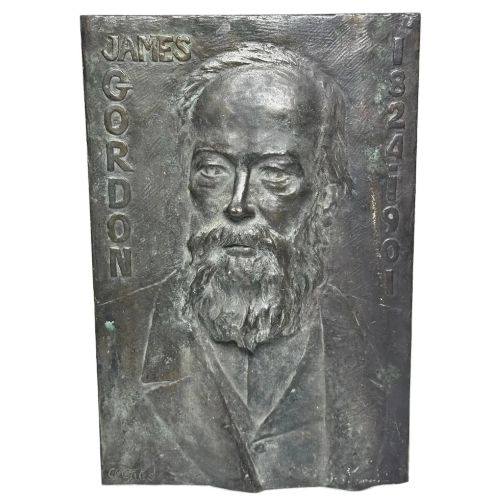
When you search for a bust of a man, you encounter sculptural portraits executed in materials such as bronze, terracotta, plaster, and carved wood. These pieces capture individual likenesses, ranging from identifiable historical or literary figures to anonymous studies created across the nineteenth and twentieth centuries.
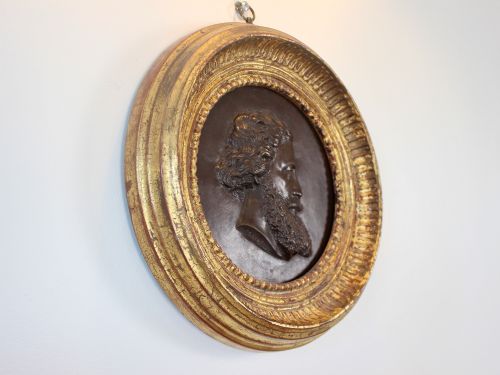
On this page, you are most likely to meet bronze and terracotta interpretations originating from the Victorian, Edwardian, and Art Deco periods. These works appear both as freestanding sculptures designed for tabletops and as relief plaques intended for wall display.
The selection encompasses diverse regional traditions, including Orientalism and European classical revival styles. Each piece offers a tangible connection to historical portraiture through varied artistic interpretations of the male form.
How they were made
Makers utilised traditional casting and carving techniques to shape durable materials into lifelike forms. Bronze portraits typically involved the lost-wax casting method, followed by hand-chasing and patination to achieve varied surface tones.
Terracotta and plaster sculptures relied on modelling and moulding processes, sometimes enhanced with polychrome pigment or gilding. Carved wooden studies demonstrate direct subtractive skill, revealing the natural grain and texture of the material across facial contours and hair.
Bust of a Man Retail Price Guide 2026
Typical asking prices for bust of a man among the pieces listed under this phrase on Sellingantiques today, from the lower quarter to the upper quarter. They describe what is for sale here now, not the wider market.
Listings feature works spanning the nineteenth and twentieth centuries, utilising materials including bronze, terracotta, wood, plaster, and brass.
What varies in quality
The distinction between ordinary and exceptional work lies in the sensitivity of the modelling and the precision of the surface finish. Superior pieces demonstrate anatomical accuracy paired with psychological depth in the expression, whereas lesser examples can appear stiff or formulaic.
The quality of the material and its patination significantly affect the visual impact of a sculpture. Finely chased bronzes and carefully fired polychrome terracottas retain crisp details that inferior casts or worn plaster surfaces lose over time.
Goldscheider·Alice Gates·Mainfroy·Sir Thomas Brock
The Bust of a Man Glossary
- Patna
- The surface coloration and sheen developed on metal sculptures over time or through chemical application. This finish protects the bronze and contributes greatly to the visual depth of the portrait.
- Terracotta
- Fired clay used for sculptural modelling, often left in its natural reddish earth tone or painted with pigments. It allows for expressive, immediate detail captured directly by the hand of the sculptor.
- Écorché
- A figure drawn, painted, or sculpted to show the muscles of the body without skin. These anatomical studies were widely utilised by artists for rigorous training and precision.
- Plaster
- A composition of gypsum and water poured into moulds or modelled directly to create sculptural forms. It serves as an accessible medium for detailed portrait studies.
- Relief
- A sculptural technique where the figures project from a flat background rather than existing in the round. Portrait plaques often utilise this method for wall mounting.
Bust of a Man: Frequently Asked Questions
What is a bust of a man?
A bust of a man is a sculpted, cast, or carved representation of a male subject, typically showing the head, shoulders, and upper chest. These works function primarily as decorative art and historical portraiture.
Artists across different eras utilised various mediums to capture individual likenesses and character traits, ranging from classical idealism to realistic portrait studies.
How were these sculptures displayed?
Historically, sculptural busts were placed upon pedestals, mantelpieces, or dedicated brackets to elevate them to eye level. Smaller bronze and terracotta pieces easily fit upon bookshelves and side tables.
Relief plaques were designed specifically for wall hanging, functioning much like framed portraits within domestic interiors.
How do I care for bronze and terracotta?
Bronze surfaces require only occasional dusting with a soft, dry cloth to prevent the accumulation of grit. Wax polishes should generally be avoided unless specifically recommended for the particular patination.
Terracotta and plaster are porous and brittle materials that require protection from moisture and direct handling. Gentle brushing maintains their surfaces without risking damage to delicate pigments.
How can I tell periods apart?
Victorian and Edwardian pieces often reflect academic realism, classical revivalism, or distinct biographical subjects. Later twentieth-century works frequently embrace modernist or Art Deco simplifications of form.
Signatures, foundry marks, and material choices also provide reliable indicators of the era in which a piece was produced.