

Burr Wood Chest
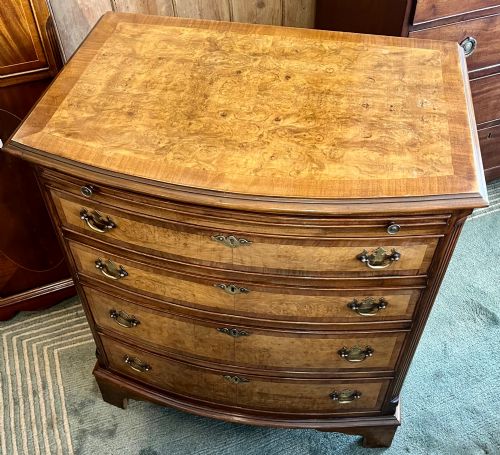
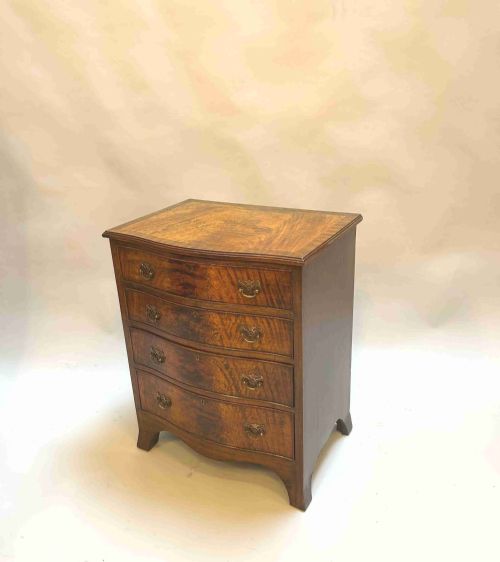
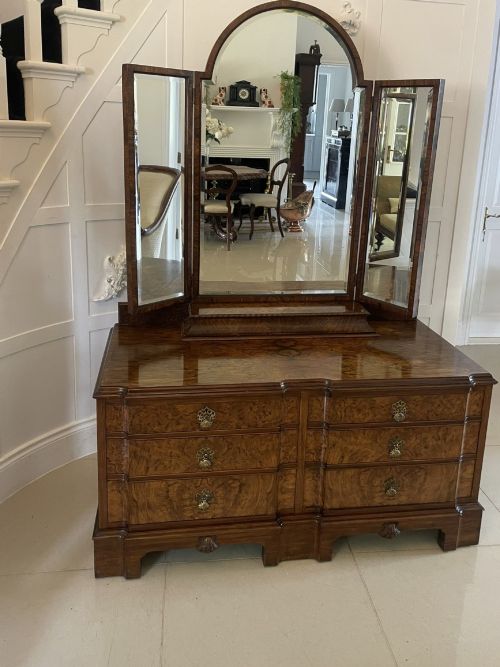
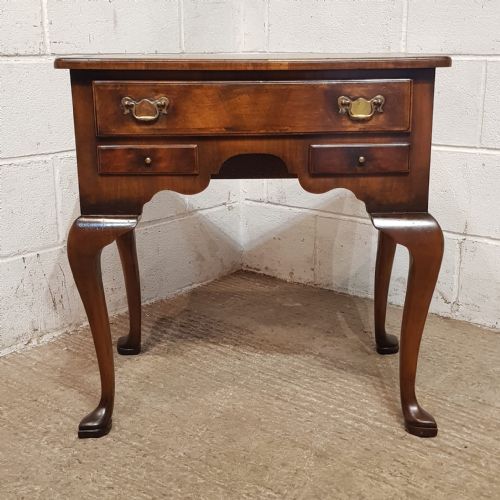
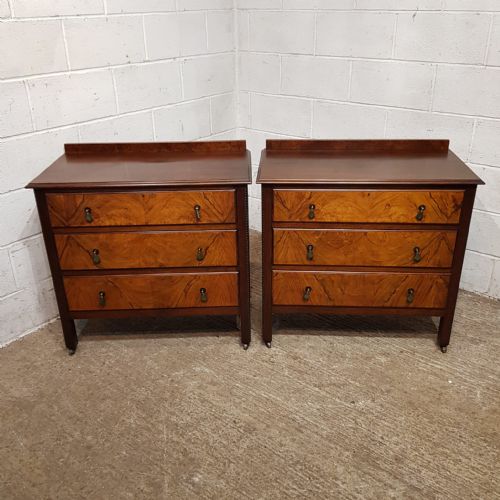
A burr wood chest displays the swirling, knotted grain of timber grown near burls, offering deep patterns that reward close study in any room.
Burr Wood Chest
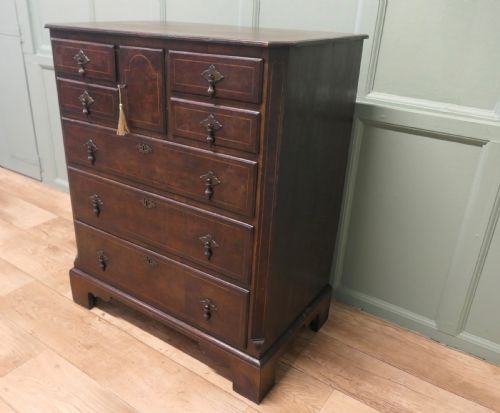
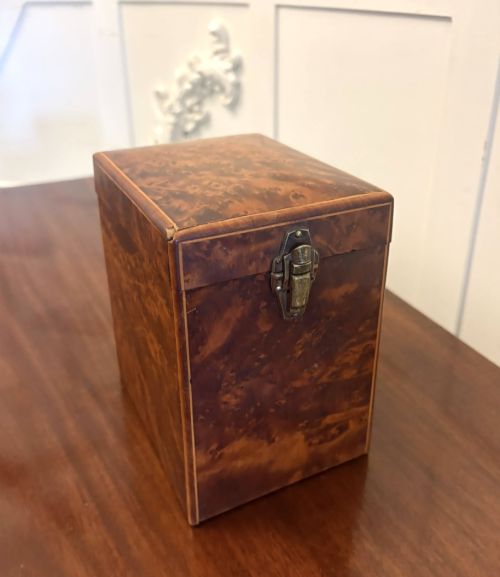
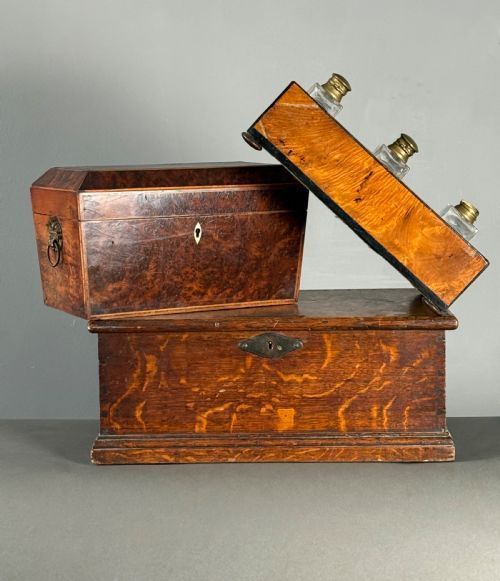
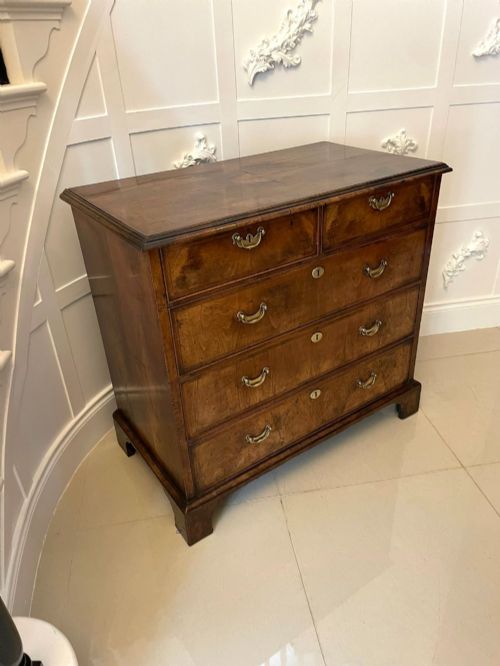
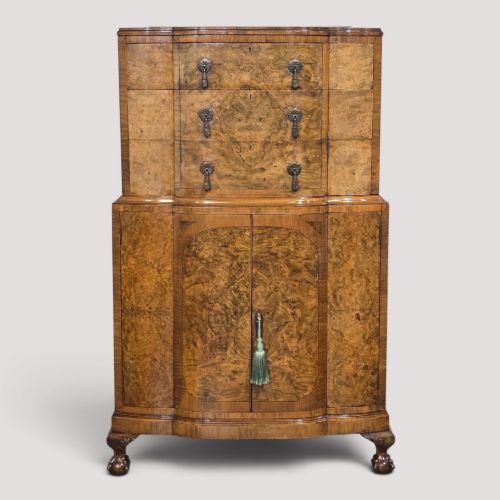
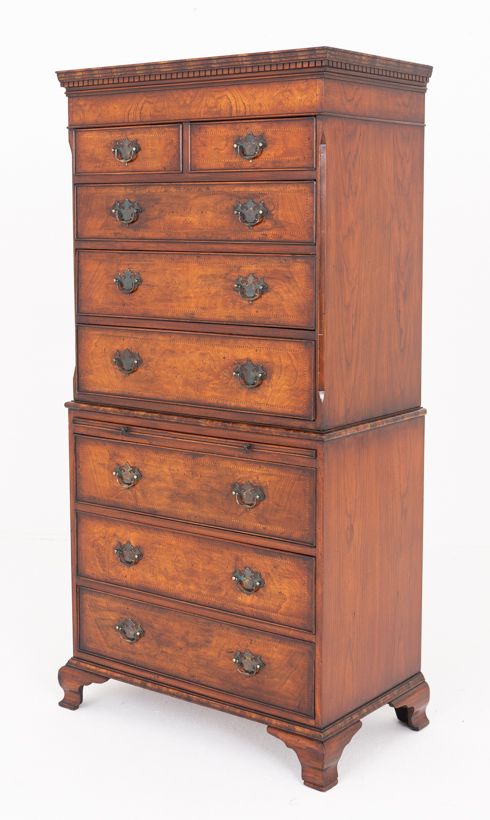
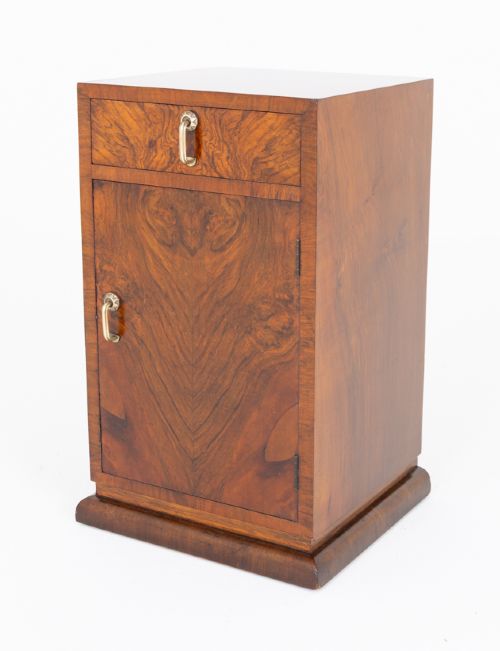
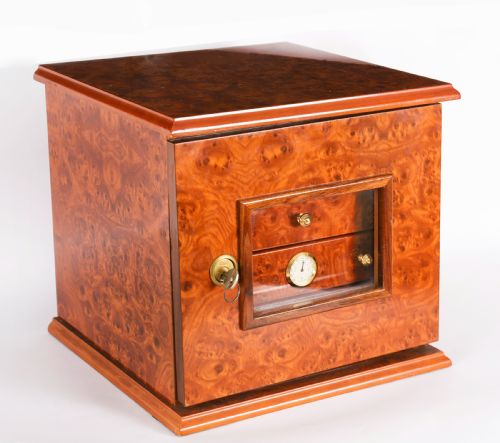
A burr wood chest encompasses larger drawer units alongside smaller caskets, tea caddies, and bedside cabinets. The pieces span from the late seventeenth century through the Georgian and Victorian eras into the art deco and revival periods of the twentieth century.
Materials and Construction
Craftsmen sliced thin veneers from knotted burr growths and applied them over secondary timbers like oak or plain walnut to create symmetrical patterns across drawer fronts and lids. Brass handles, escutcheons, and occasional mother-of-pearl or bone details punctuate the figured surfaces.
Joinery techniques varied from early dovetailing on seventeenth and eighteenth-century drawer carcases to later twentieth-century framing methods. Solid timber mouldings often frame the striking grain of the burr panels.
Seventeenth-century makers occasionally hid small compartments within caskets to guard the most expensive tea leaves from wandering fingers.
Judging the Surface
The depth of the grain pattern and the symmetry of the veneer layout set individual examples apart. Richness of tone and the preservation of historical finish determine the visual weight of a piece.
The crispness of original brass hardware and the tightness of the joints reveal the standard of the original workshop. Surface wear should align harmoniously with the stated period.
Thomas Hache of Grenoble
The Burr Wood Chest Glossary
- Burr wood
- Timber taken from a tree growth where the grain has grown in a deformed, swirling manner. This produces highly decorative patterns prized by cabinetmakers.
- Veneer
- A thin slice of figured wood glued to a stable secondary timber body. This method displays expensive grain patterns without risking the structural movement of solid burr wood.
- Tea caddy
- A small box designed to store tea leaves securely under lock and key. Many examples incorporate multiple internal compartments and fine wood veneers.
- Dovetail
- An interlocking joint used in drawer construction. Hand-cut variations help indicate the age of a chest.
Burr Wood Chest: Frequently Asked Questions
How do I clean a burr wood chest?
Dust the surface regularly with a soft, dry cloth to prevent particle buildup. Avoid harsh chemical polishes that can degrade historical finishes.
Apply a microcrystalline wax sparingly if the timber appears dry, buffing gently to maintain the natural lustre of the grain.
Where should I place a burr wood chest?
Keep the piece away from direct sunlight and strong heat sources such as radiators to prevent the veneer from drying and lifting. Stable room humidity preserves the integrity of both the wood and the glue beneath.
Position the item where natural light falls across the front to best reveal the complex patterns of the burr grain.
How can I tell the period of a chest?
Examine the construction methods of the drawers, particularly the hand-cut dovetails and the secondary woods used inside. Cabinet styles, handle types, and locking mechanisms also point toward specific centuries.
Compare the veneer thickness and overall proportions against known examples from eras like the William and Mary period or the Georgian decades.
What is the difference between a commode and a chest?
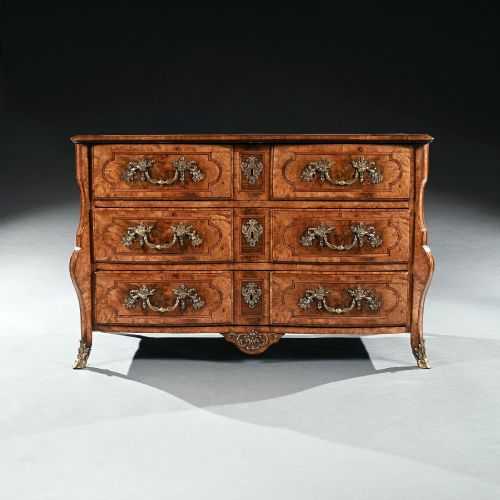
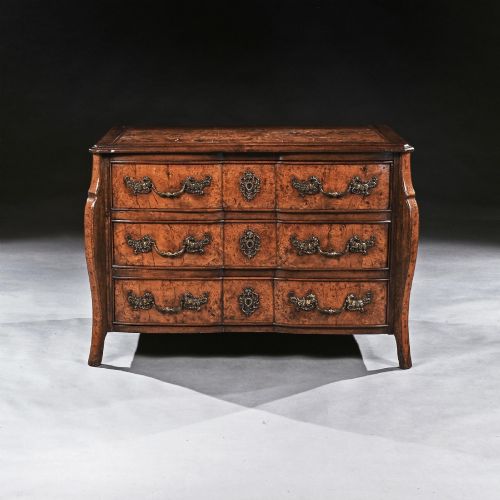
A commode typically refers to a low, decorative continental chest of drawers, often featuring shaped fronts and cabriole or tapered legs. English chests tend to be taller, straighter structures designed primarily for bedroom storage.
Both forms utilise dramatic burr veneers, but their regional origins and leg styles generally set them apart.