

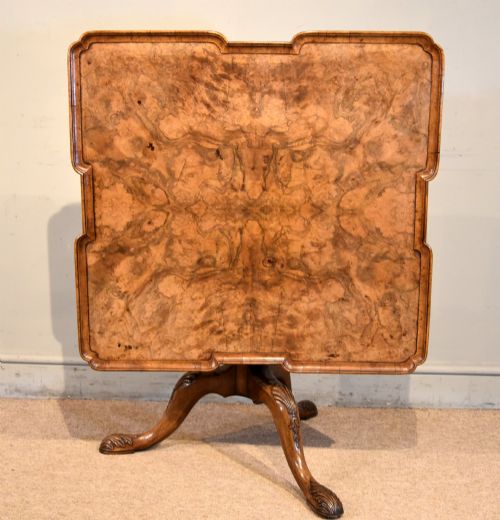
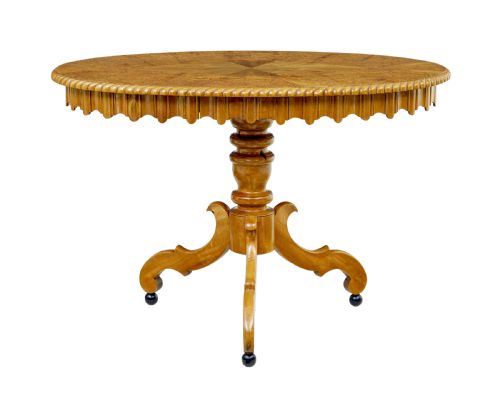
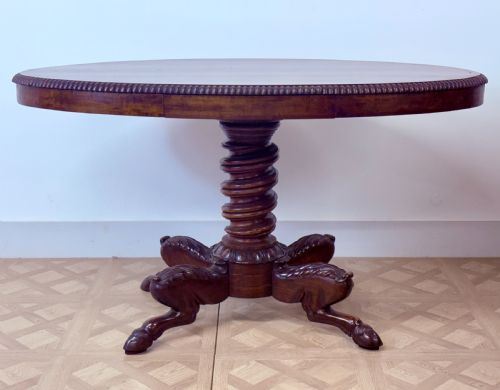
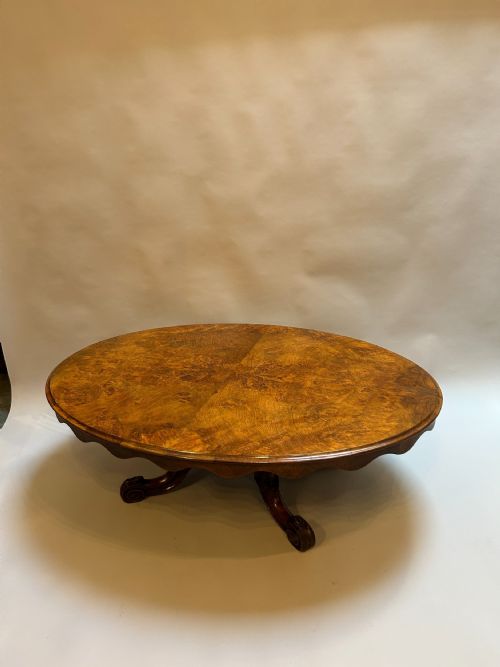
Burr Wood Center Table
A burr wood centre table brings striking natural grain patterns to the middle of a room, serving as both a functional surface and a focal point.
Burr Wood Center Table
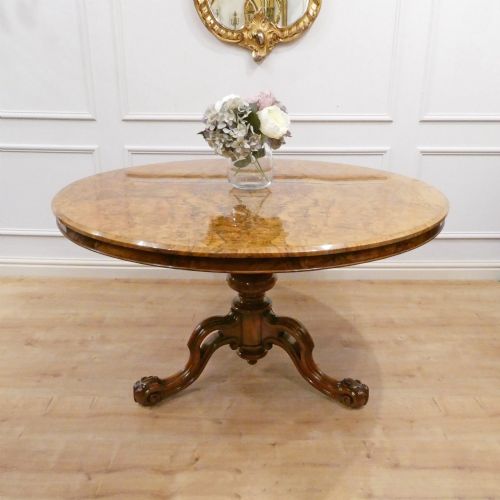
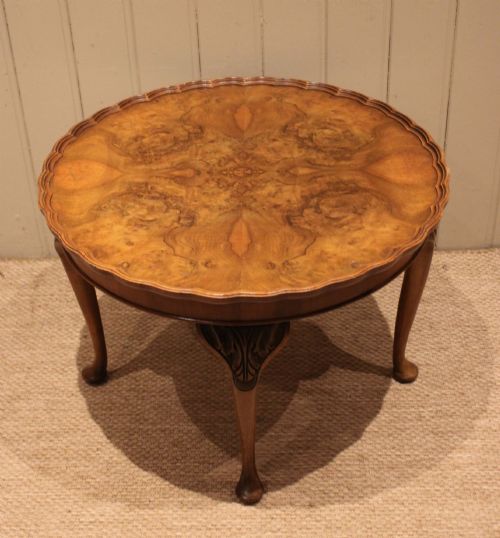
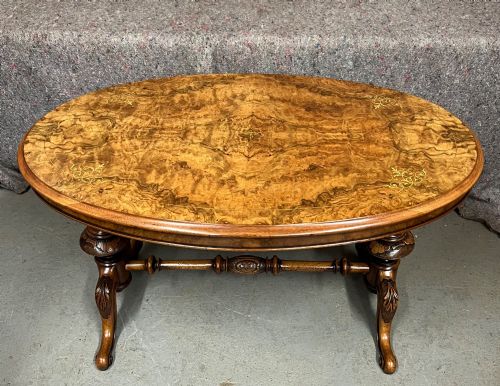
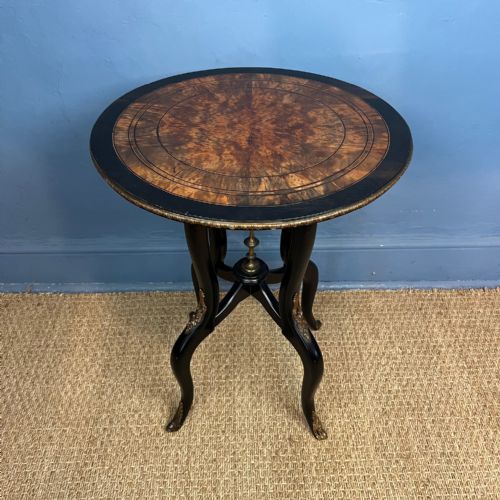
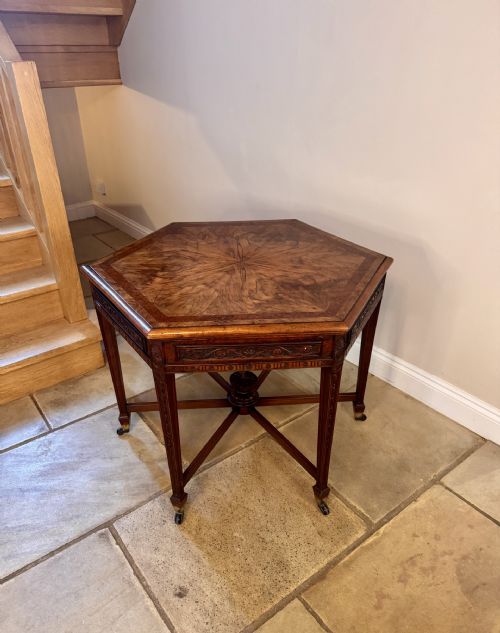
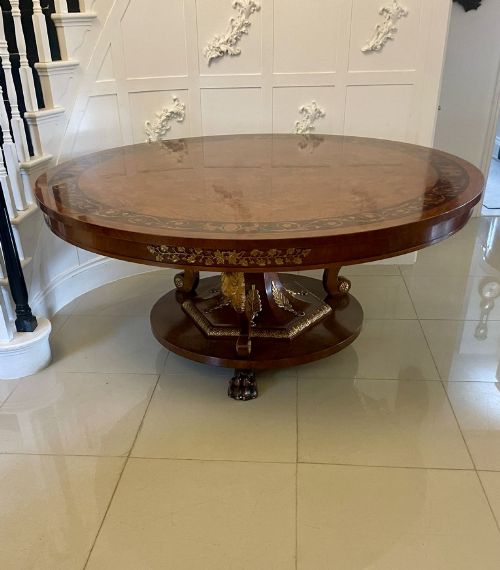
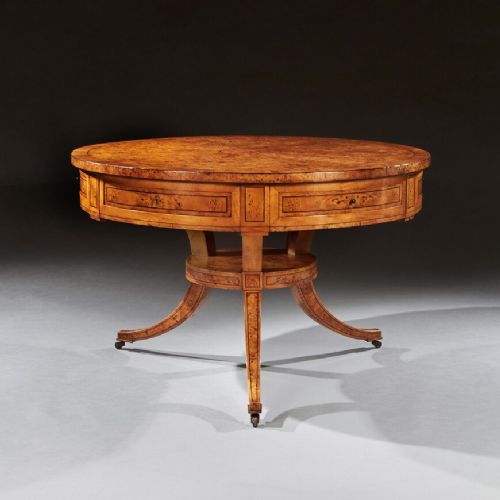
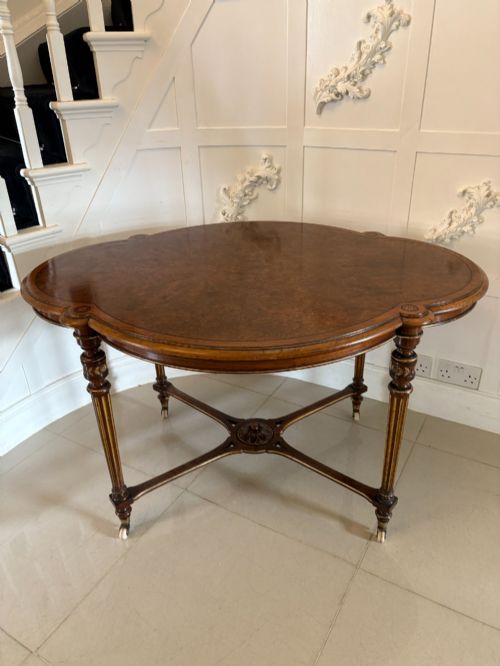
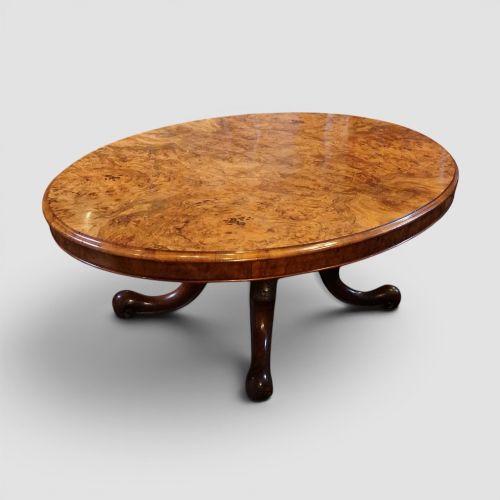
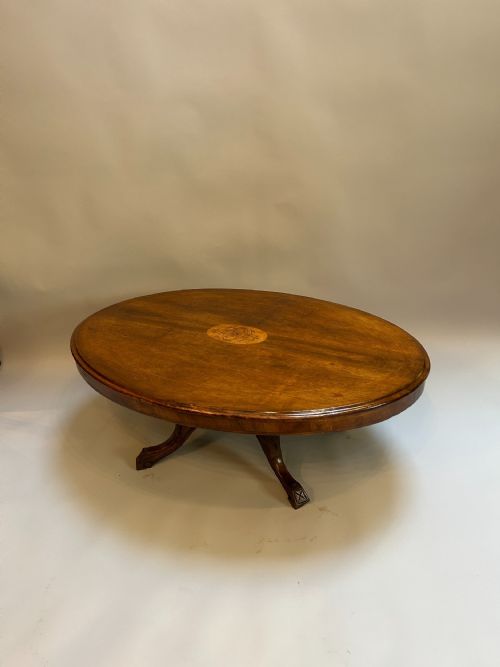
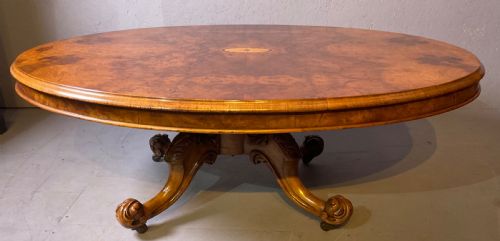
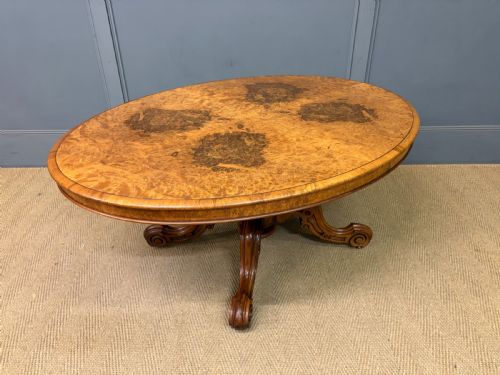
A burr wood centre table is a freestanding piece designed to sit centrally in a room, displaying the turbulent, swirling growth patterns known as burr or burl. These tables appear in various forms on this page, including circular, oval, octagonal, and drum shapes functioning as coffee tables, occasional tables, loo tables, and traditional centre tables. Most examples date from the nineteenth century, particularly the Victorian era, alongside pieces from the Regency and Art Deco periods.
The materials span several timber types featuring distinct figured growths. Walnut and burr walnut dominate the selection, accompanied by rarer examples in burr birch, burr yew, burr elm, burr oak, and burr root maple. Alongside standard timber construction, these pieces frequently incorporate decorative elements such as boxwood inlay, marquetry, and carved details.
Assessing Quality and Execution
The quality of a burr wood centre table rests heavily on the selection and symmetry of the veneer. Superior pieces display dense, lively, and well-matched burr patterns that flow logically across the top, while lesser examples show disjointed grain or heavy patching.
The crispness of the carving, the precision of the boxwood inlay or marquetry, and the stability of the central pedestal or base separate standard production items from masterworks. Joinery methods, such as secret drawers or robust tilt-top mechanisms, further indicate the level of craftsmanship invested in the piece.
Burr Wood Center Table Retail Price Guide 2026
Typical asking prices for burr wood center table among the pieces listed under this phrase on Sellingantiques today, from the lower quarter to the upper quarter. They describe what is for sale here now, not the wider market.
Listings feature tables spanning the nineteenth and twentieth centuries, with a strong concentration of Victorian walnut and burr walnut examples.
The Burr Wood Center Table Glossary
- Burr
- A tree growth resulting in distorted grain filled with swirling knots and eyes. This timber is sliced into veneer for decorative furniture surfaces.
- Centre Table
- A freestanding table designed to be viewed from all sides and placed in the middle of a room rather than against a wall.
- Marquetry
- The art of applying pieces of veneer to a structure to form decorative patterns and pictures. It often incorporates contrasting woods.
- Loo Table
- A large round or oval table originating in the nineteenth century for the card game loo. The tops often tilt vertically for storage.
- Guéridon
- A small French occasional table supported by one or more columns. These tables often feature circular tops and decorative wood veneers.
Burr Wood Center Table: Frequently Asked Questions
How do I use a centre table today?
These tables adapt easily to modern living spaces as coffee tables, display surfaces, or central room accents. Their finished backs and freestanding designs allow them to anchor a seating arrangement effectively.
Parks of tables with tilt-top mechanisms can be stood against a perimeter wall when floor space is required, then lowered for use.
What woods are used in these tables?
Walnut is the predominant wood found in these listings, specifically burr walnut with its rich, dark tones and intricate knot formations. Other featured timbers include burr birch, burr yew, burr elm, burr oak, and burr root maple.
Cabinet makers often combined these burr veneers with boxwood inlay, marquetry, and solid structural hardwoods.
How do I identify a Victorian table?
Victorian tables often feature rich burr walnut veneers, elaborate pedestal bases, and occasional carved details or boxwood stringing. The era spans much of the nineteenth century and encompasses diverse Revival styles alongside functional updates like loo tables and games tops.
Construction traits such as secret drawers, snap-top mechanisms, and heavy tripod or platform bases point directly to this period of British cabinet making.