



Burr Walnut Pier Glass
These burr walnut pier glass selections bring figured timber and glass into nineteenth-century rooms, offering the exact formal symmetry collectors seek.
Burr Walnut Pier Glass
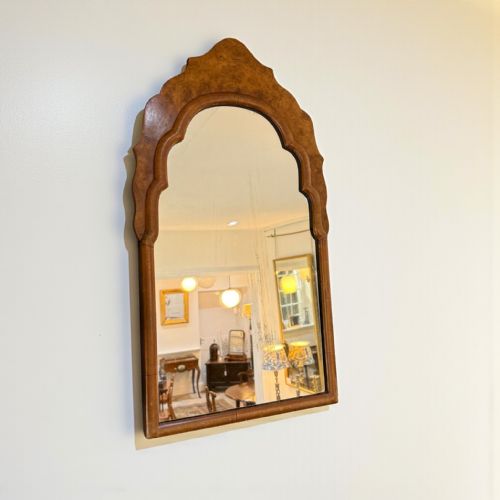
A burr walnut pier glass typically combines figured timber frames with wall-hanging mirrors designed to sit on the wall space between windows. The examples seen on this page span Victorian, Edwardian, and Regency periods, leaning heavily toward nineteenth-century forms.
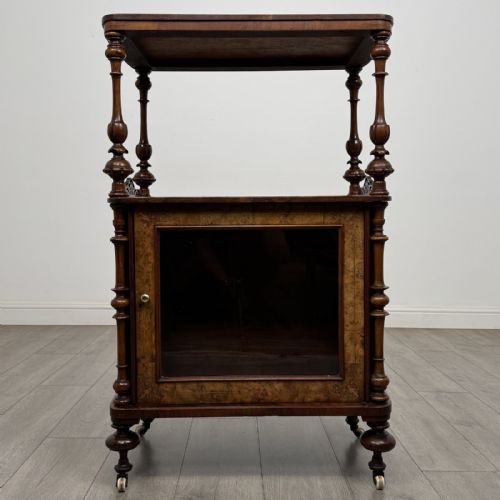
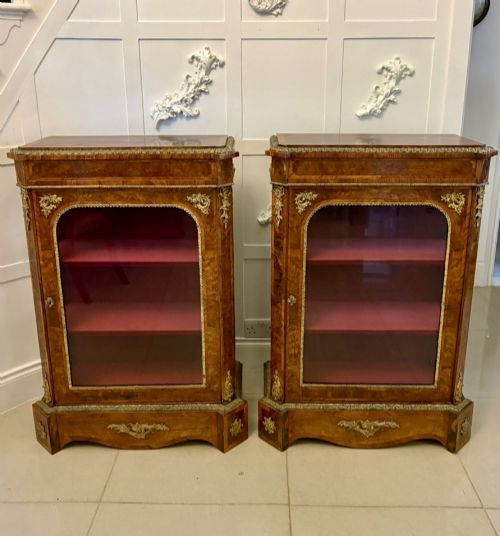
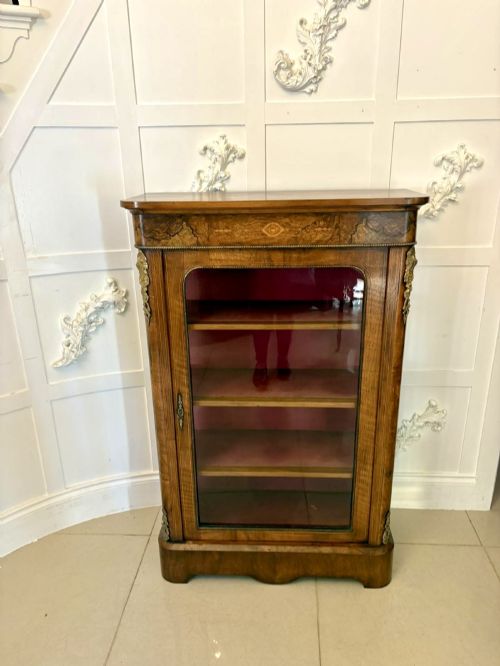
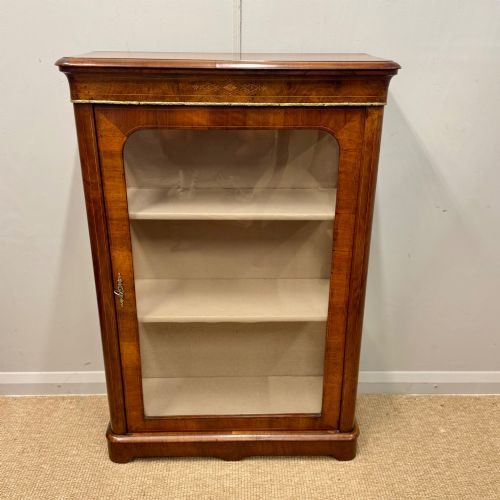
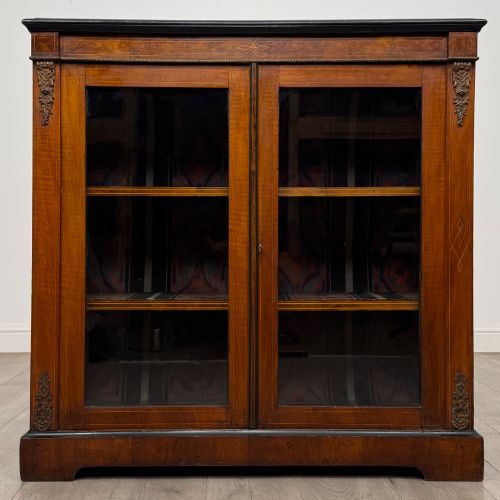
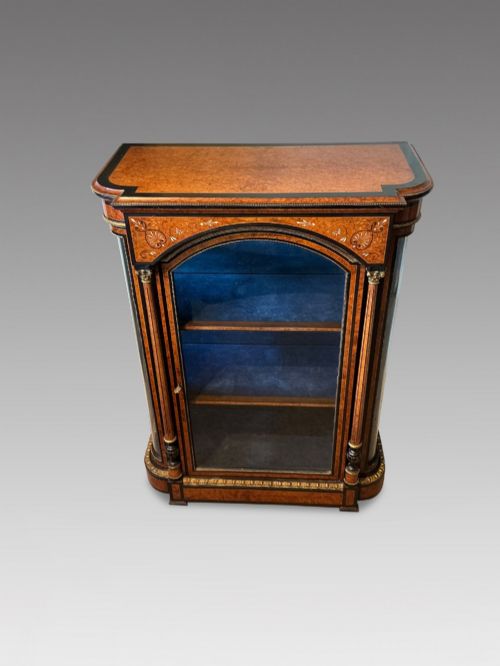
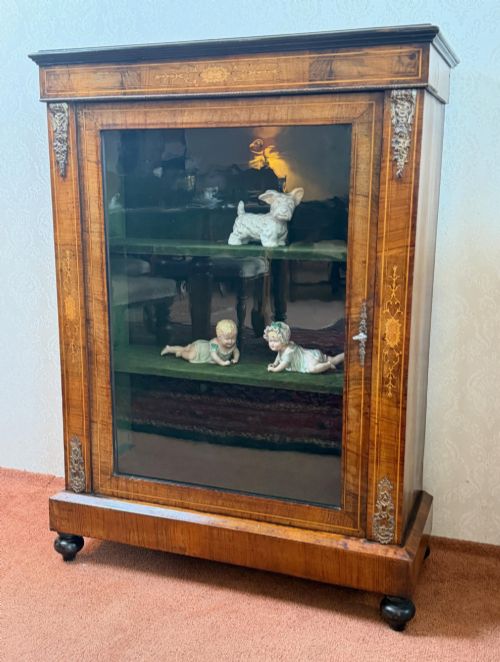
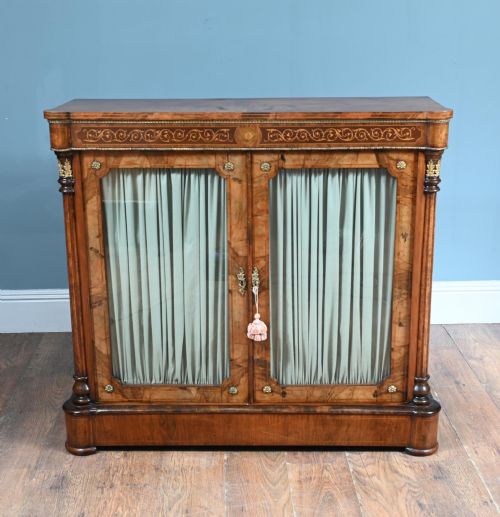
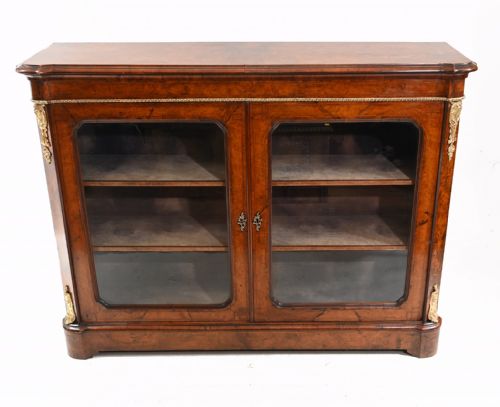
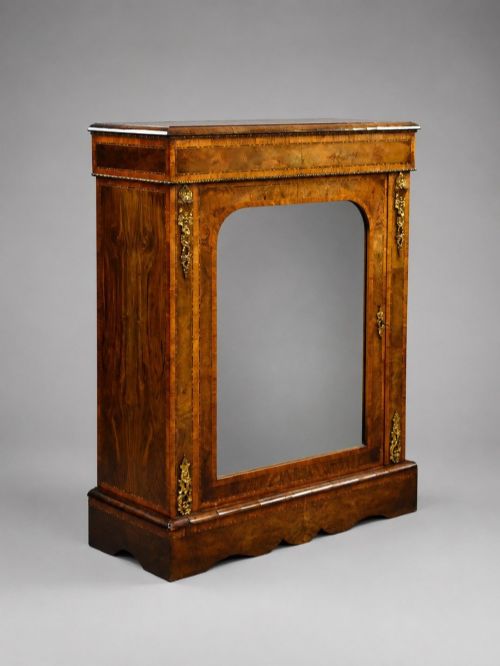
Buyers will encounter these mirrors alongside related pier cabinets, display cases, and console wall mirrors sharing the same walnut timber vocabulary. Victorian cabinetmakers produced both glazed display furniture and wall-hanging pier mirrors to reflect light into formal parlours.
The objects listed display stylistic influences ranging from Queen Anne and George II revivals to Aesthetic Movement details. Most variations remain rooted in Victorian craftsmanship from the mid-to-late nineteenth century.
How they were made
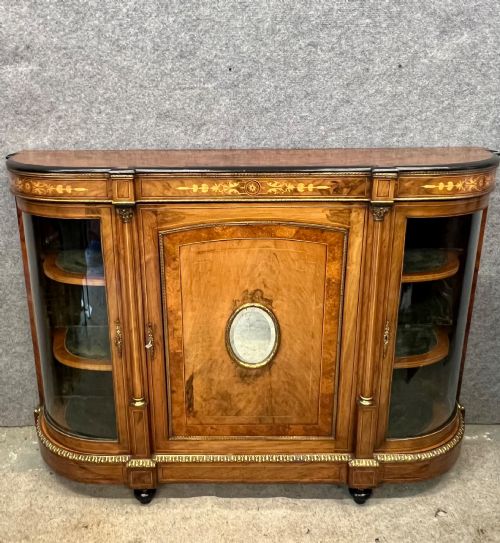
Cabinetmakers utilised burr walnut veneers over solid secondary timbers to create swirling grain patterns on flat surfaces. Ormolu mounts, brass details, and boxwood inlay frequently accent the walnut framework.
Selected pieces incorporate ebonised wood elements and marquetry panels alongside glass mirrors and glazed doors. Joinery relied on traditional methods to stabilise the figured veneers across large vertical surfaces.
Burr Walnut Pier Glass Retail Price Guide 2026
Typical asking prices for burr walnut pier glass among the pieces listed under this phrase on Sellingantiques today, from the lower quarter to the upper quarter. They describe what is for sale here now, not the wider market.
Victorian music cabinets managed to look stately while hiding enthusiastic sheet music collections behind glazed walnut doors.
What varies in quality
The intensity and placement of the burr walnut figure dictate visual impact, with tighter, more complex grain patterns marking out finer examples. Marquetry precision and the crispness of inlaid boxwood separate standard production from superior cabinet work.
Quality also shows in the integration of cast ormolu mounts and the retention of original glass plates. Secondary wood selection and the alignment of cross-banding reveal the diligence of the original workshop.
Druce And Co
The Burr Walnut Pier Glass Glossary
- Pier glass
- A tall mirror designed to hang on the narrow wall space between windows, often placed above a matching pier table or cabinet. This form maximised light reflection in Victorian interiors.
- Burr walnut
- Timber taken from the growth excrescences of walnut trees, yielding highly decorative, swirling grain patterns. Cabinetmakers sliced this wood into thin veneers for furniture facades.
- Ormolu
- Gilded bronze used for decorative mounts and framing on nineteenth-century furniture. It provides metallic contrast against dark walnut timber.
- Marquetry
- The art of applying decorative veneer pieces to form intricate pictorial patterns. This technique appears across many Victorian cabinets and mirror frames.
- Cross-banding
- A border veneer technique where strips of wood run perpendicular to the main grain direction. It frames panels of burr walnut to create a finished edge.
Burr Walnut Pier Glass: Frequently Asked Questions
Where were pier glasses placed?
These mirrors hung on the narrow strip of wall between two windows, known as the pier. This positioning bounced natural light back into the centre of the room.
Pairs of matching pier cabinets or consoles frequently sat directly beneath them to complete the decorative scheme.
What is burr walnut?
Burr walnut comes from a tree growth that produces erratic, highly figured grain patterns rather than straight lines. Craftsmen sliced this wood into thin sheets to veneer prominent surfaces.
Its complex swirls make each mirror frame or cabinet unique.
How do I style a pier glass?
Hang the mirror at eye level on a narrow wall or above a slim console table. Keeping surrounding decor simple allows the figured wood grain to remain the focal point.
Pairing it with walnut furniture creates continuity within a room.
How do I date these pieces?
Dating relies on stylistic clues such as ebonised accents, Aesthetic Movement geometry, or Victorian marquetry motifs. Construction techniques and secondary timbers also point toward specific decades in the nineteenth century.
Comparing the framing details with dated examples clarifies the period.