


Burr Maple Cabinet
A burr maple cabinet brings distinctive figured grain and pale warmth to a room, offering both practical storage and striking natural decoration.
Burr Maple Cabinet
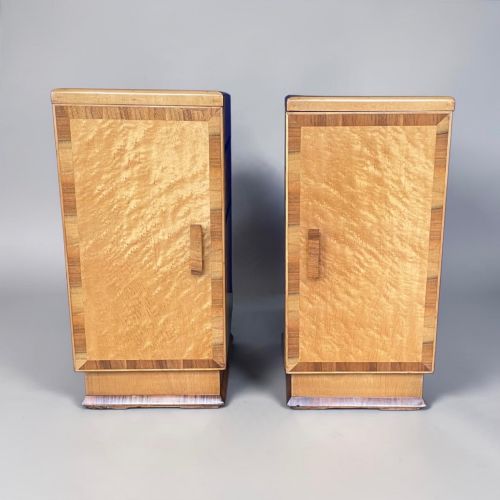
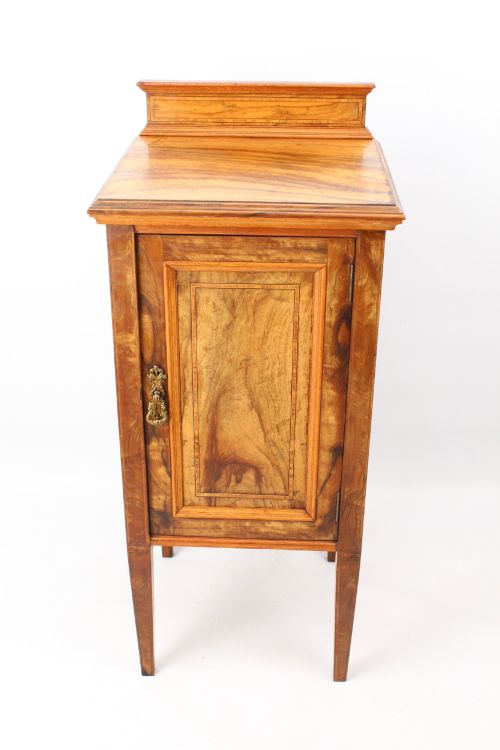
A burr maple cabinet typically appears alongside related bedroom and display furniture from the nineteenth and twentieth centuries, including bedside pieces, wardrobes, and secretaire desks.
Makers utilised the highly figured growth knots of the tree to create mesmerising patterns across doors and drawer fronts, frequently pairing the pale timber with darker contrasting woods or gilt mounts.
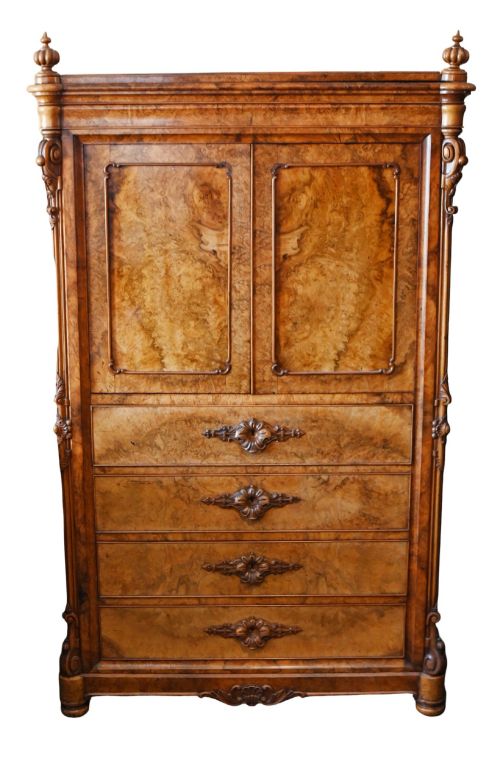
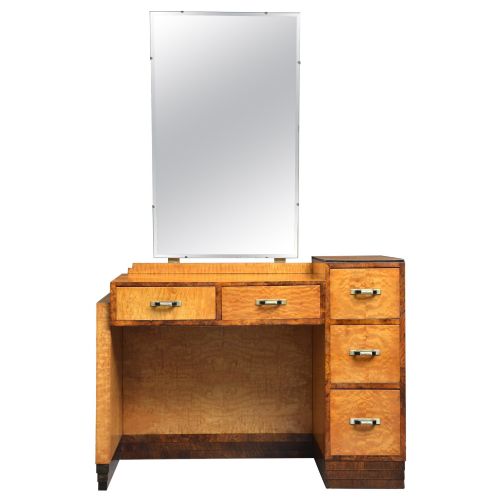
The selections available range from compact Edwardian bedside cupboards to French Louis Philippe secretaire desks and streamlined Art Deco dressing tables.
Materials and construction methods
Cabinet makers applied fine burr maple veneer over stable secondary timbers to showcase the intricate swirling patterns of the wood without risking the structural movement inherent in solid burr sections.
Workshops incorporated brass handles, mirror glass, and ormolu mounts to complement the pale blonde tones of the maple and walnut carcases.
Listings feature items from the eighteenth, nineteenth, and early twentieth centuries, spanning Edwardian, Victorian, and Art Deco styles.
Judging the standard of execution
Quality rests upon the symmetry and book-matching of the veneer panels across the front of the cabinet, ensuring the natural grain flows harmoniously across doors and drawers.
The distinction between standard commercial output and superior craftsmanship shows in the crispness of the applied brass or ormolu mounts and the careful selection of secondary woods used inside the drawers.
Maple and Co·Harry and Lou Epstein·Wiggers
The Burr Maple Cabinet Glossary
- Burr maple
- A wood derived from the deformed growth or burl of a maple tree, yielding highly decorative circular patterns and swirling grain. This highly prized veneer forms the primary decorative surface on fine cabinets.
- Veneer
- A thin slice of ornamental wood applied over a sturdier base timber to create patterned surfaces. Skilled cabinet makers match these thin sheets symmetrically.
- Ormolu
- Gilded bronze ornamentation applied to furniture, popular in French pieces. It provides a bright metallic contrast to pale wood surfaces.
- Secretaire
- A desk featuring a fold-down writing flap that conceals small drawers and pigeonholes. These versatile items combine cabinet storage with a compact writing surface.
Burr Maple Cabinet: Frequently Asked Questions
What periods do these cabinets come from?
The pieces span from the eighteenth century through the nineteenth century, including Edwardian examples and later 1930s Art Deco designs.
Craftsmanship and decorative motifs shifted across these eras, moving from ornate French regional styles to sleek mid-century geometric forms.
How do I care for burr maple?
Keep the timber away from direct sunlight and excessive heat sources to prevent the fine veneer from drying out or splitting over time.
Dust gently with a soft dry cloth and avoid harsh chemical polishes that can damage the polished finish.
Are these pieces purely decorative?
While the figured grain is visually striking, these items served practical domestic functions as bedside storage, wardrobes, or compact writing desks.
Their internal compartments and drawers provide useful everyday organisation alongside their aesthetic presence.
How do I identify French pieces?
French examples often display distinct regional traits such as Charles X or Louis Philippe styling, frequently incorporating ormolu mounts and gilt highlights.
The choice of hardware and structural proportions generally reflects continental cabinet-making traditions of the nineteenth century.