



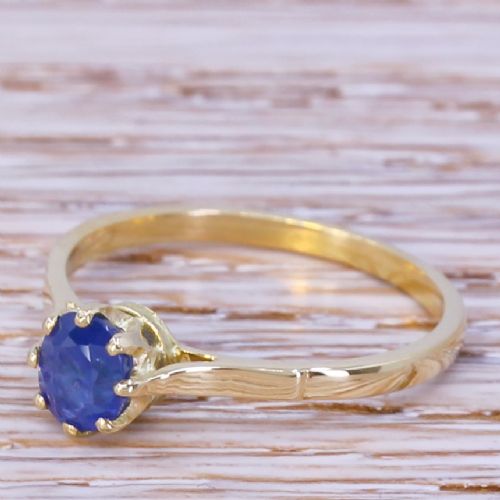


Burmese Sapphire Engagement Ring
A burmese sapphire engagement ring combines a deeply saturated natural stone with period precious metals, offering a lasting piece of history for daily wear.
Burmese Sapphire Engagement Ring
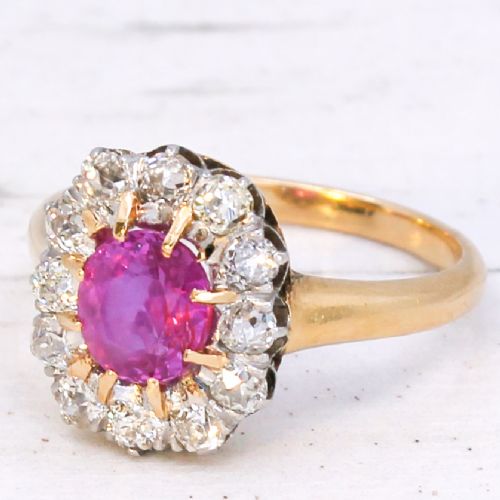
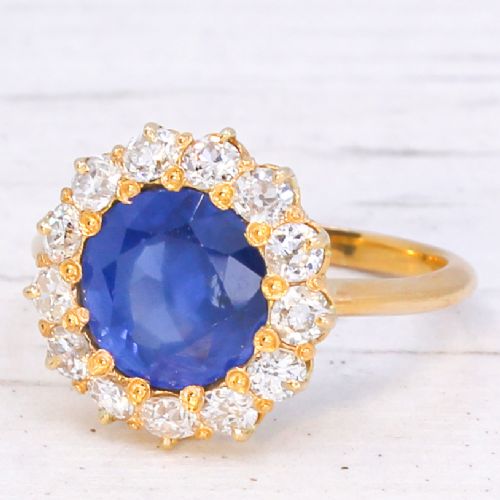
A burmese sapphire engagement ring brings together natural corundum and antique precious settings from the early to mid-twentieth century. Collectors searching this phrase encounter examples from the Victorian, Edwardian, Art Deco and Mid-Century periods.
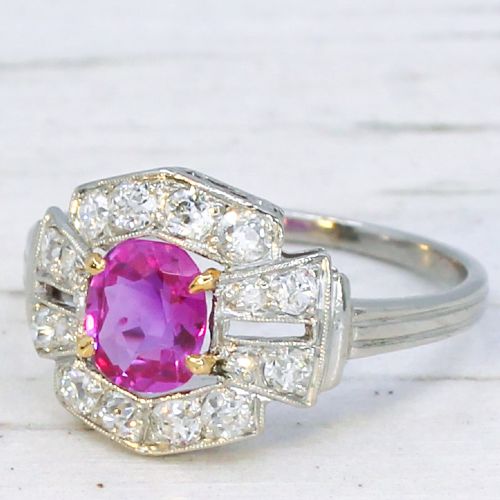
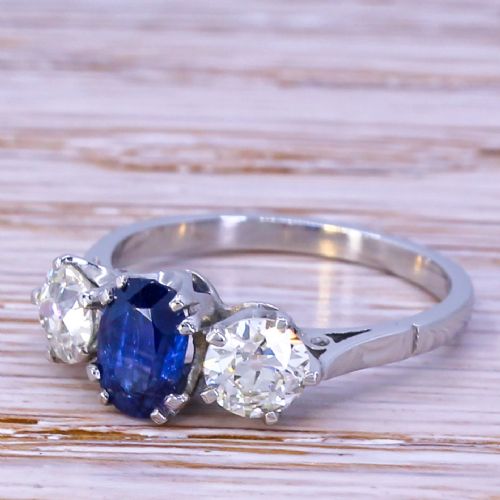
The most common forms on this page pair the central blue or pink sapphire with old cut diamonds in platinum or gold mounts. Solitaires, trilogies and clustered geometric designs represent the primary configurations preserved from these eras.
These rings originate from decades where platinum and yellow gold served as the dominant metals for fine jewel production. Each piece reflects the aesthetic priorities of its specific decade, spanning from ornate turn-of-the-century work to streamlined modernist lines.
How they were made
Goldsmiths and platinum smiths fashioned these settings by hand, utilising heavy platinum for durability and distinct gold alloys for warmer tones. Metalwork from the Edwardian and Art Deco periods frequently incorporates delicate millegrain edging and openwork gallery structures.
Gemstones are secured with traditional claw settings or flush mountings designed to showcase the unheated sapphire. Old cut diamonds are meticulously proportioned to flank the central stone in trilogy and cluster arrangements.
Burmese Sapphire Engagement Ring Retail Price Guide 2026
Typical asking prices for burmese sapphire engagement ring among the pieces listed under this phrase on Sellingantiques today, from the lower quarter to the upper quarter. They describe what is for sale here now, not the wider market.
Every old cut diamond carries the thumbprint of a Victorian hand that polished it by candlelight.
What varies in quality
Quality depends upon the natural saturation and unheated state of the Burmese sapphire, alongside the weight and clarity of accompanying diamonds. Stones exhibiting vibrant colour without thermal enhancement command greater attention from discerning collectors.
The integrity of the metalwork and the preservation of original hand-cut facets dictate the overall standard of the ring. Superior craftsmanship is visible in the precision of the stone setting and the balanced proportions of the mounting.
The Burmese Sapphire Engagement Ring Glossary
- Unheated sapphire
- A natural gemstone that has undergone no thermal enhancement to improve its colour or clarity. This attribute is particularly sought after in stones originating from the Mogok region of Burma.
- Old cut diamond
- A diamond cut by hand before modern machinery standardised proportions, characterised by a high crown, small table and deep culet. These stones produce a distinctive softer light compared to modern brilliant cuts.
- Millegrain
- A decorative technique featuring a row of tiny raised metal beads along the edge of a setting. This detail defines much of the fine platinum work found in Edwardian and Art Deco jewellery.
- Tr trilogy ring
- A ring set with three stones of related size, traditionally symbolising the past, present and future. In this selection, they pair a central Burmese sapphire with flanking diamonds.
- Cluster ring
- A design where a central gemstone is surrounded by a border of smaller stones, typically diamonds. This arrangement maximises visual impact and light reflection on the hand.
Burmese Sapphire Engagement Ring: Frequently Asked Questions
How do I care for a platinum ring?
Platinum settings require minimal maintenance beyond regular cleaning with warm soapy water and a soft brush. The metal develops a natural surface patina over time which many collectors prefer to retain.
Avoid exposing the sapphire and diamond cluster to harsh household chemicals or abrasive surfaces during daily wear. Periodic inspection by a specialist ensures the claws holding the centre stone remain secure.
What periods do these rings date from?
The pieces span from the late Victorian and Edwardian eras through the Art Deco period and into the mid-twentieth century. Each era brings distinct metallurgical techniques and design aesthetics to the finished jewel.
Art Deco examples are particularly prevalent, showcasing geometric layouts and platinum mountings. Earlier pieces from 1900 to 1910 tend to feature lighter filigree work and yellow gold elements.
Are the sapphires certified as Burmese?
The listings identify these stones as originating from Burma, specifically noting natural or unheated characteristics recorded in the titles. Gemological reports typically accompany such stones to verify their geographic origin.
Buyers should examine the specific details provided in each individual listing for documentation regarding the sapphire's treatment status and source.
Can these rings be resized?
Most platinum and gold rings from these periods can be adjusted by a skilled jeweller experienced in antique pieces. The feasibility depends on the specific gallery work and the presence of intricate side engravings.
Consulting a specialist who understands antique settings prevents damage to millegrain edges and ensures the structural integrity of the band remains intact.