

Bureau Tallboy Cabinet
A bureau tallboy cabinet combines towering vertical storage with a drop-front writing surface, offering a stately and practical solution for domestic paperwork.
Bureau Tallboy Cabinet
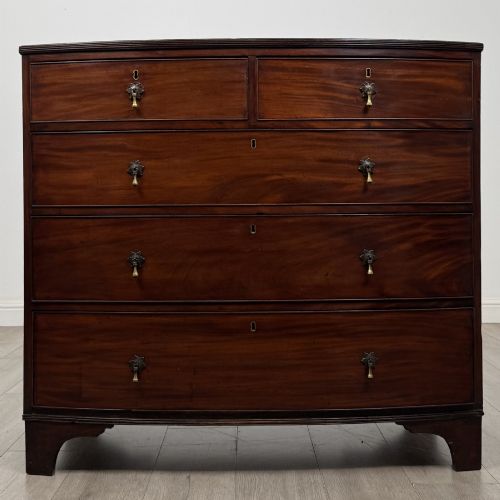
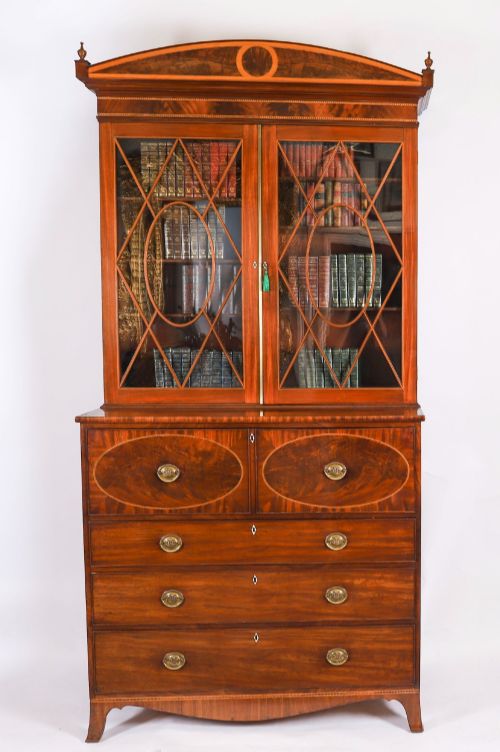
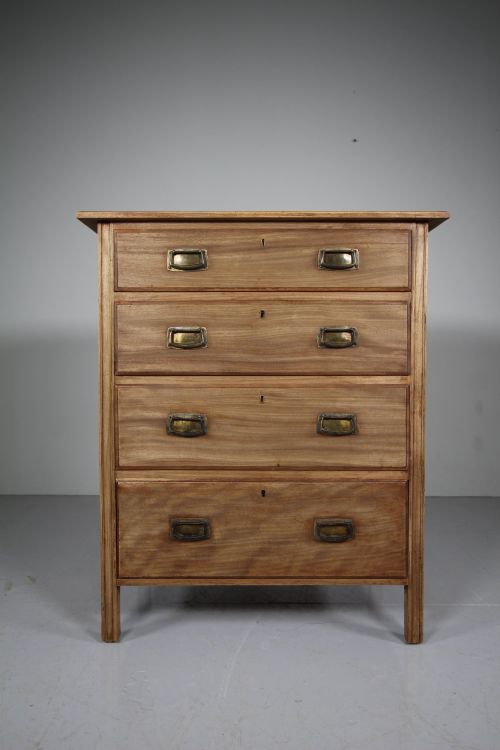
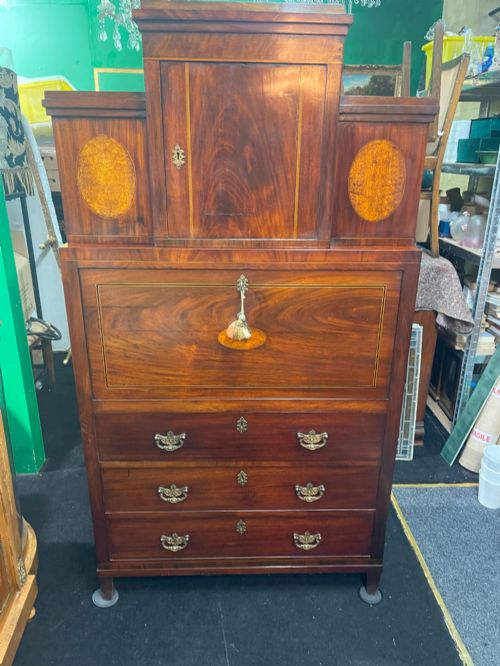
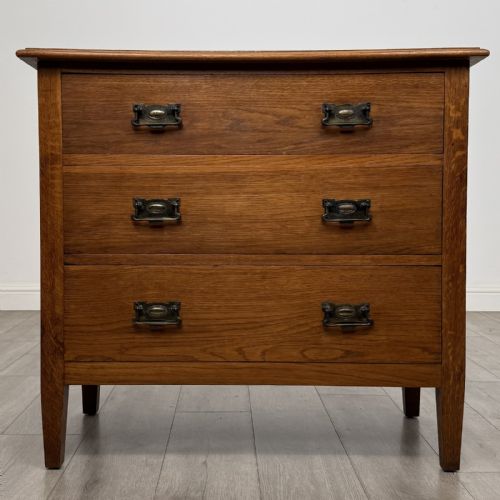
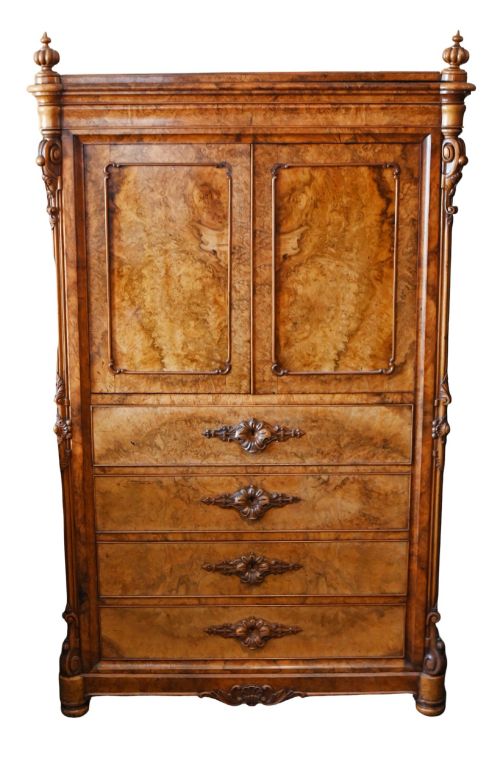
When you search for bureau tallboy cabinet, you encounter pieces that merge chest-on-chest storage with a dedicated writing compartment. The selections span the 18th century, Georgian, Regency and Victorian eras, alongside Edwardian and 1920 examples.
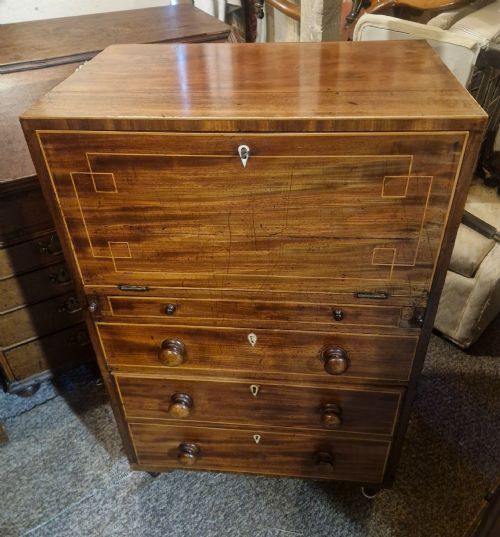
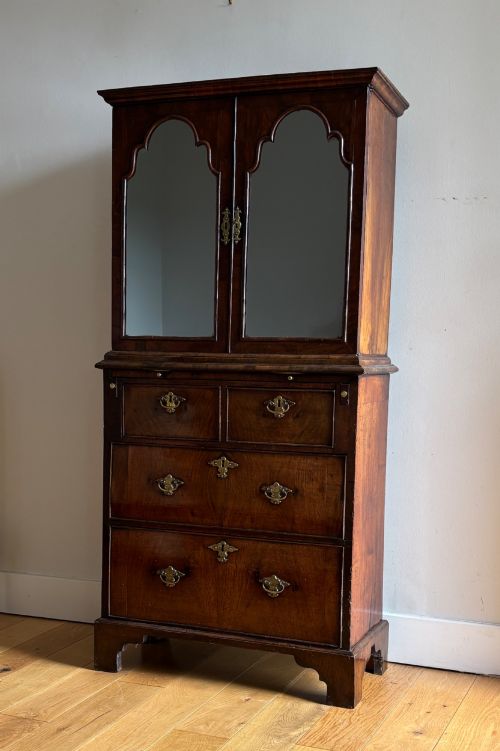
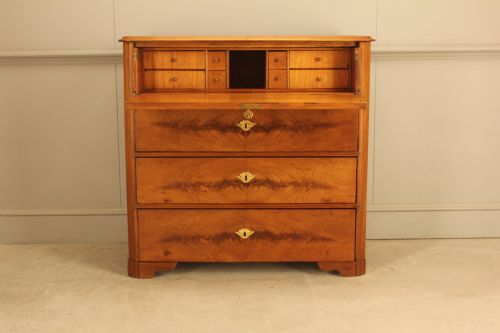
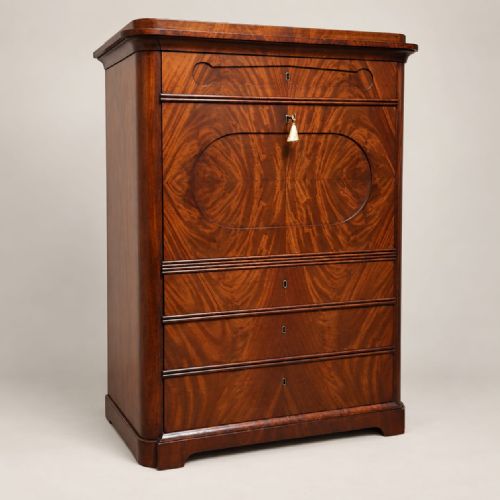
The dominant forms on this page include secretaire chests, secretaire bookcases, and chest on chest designs. These tall formats maximise vertical space while providing a hidden desk surface behind a drop-front flap.
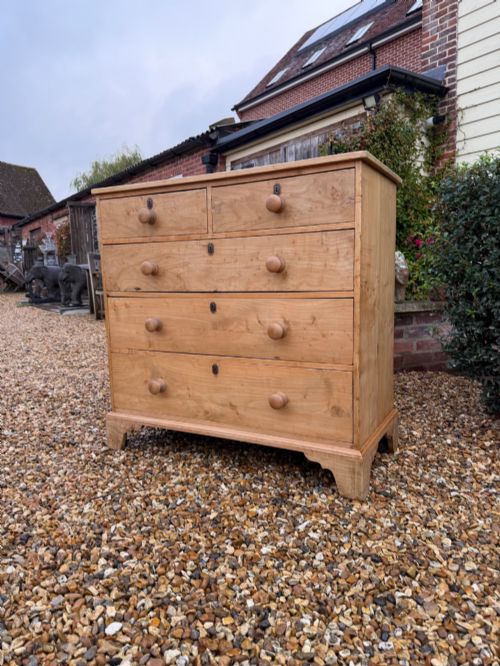
Origins range from English workshops to Continental makers working in French, Swedish and Biedermeier styles. Pieces appear in woods like mahogany, oak, walnut and pine, reflecting the diverse domestic needs of past centuries.
Materials and Construction
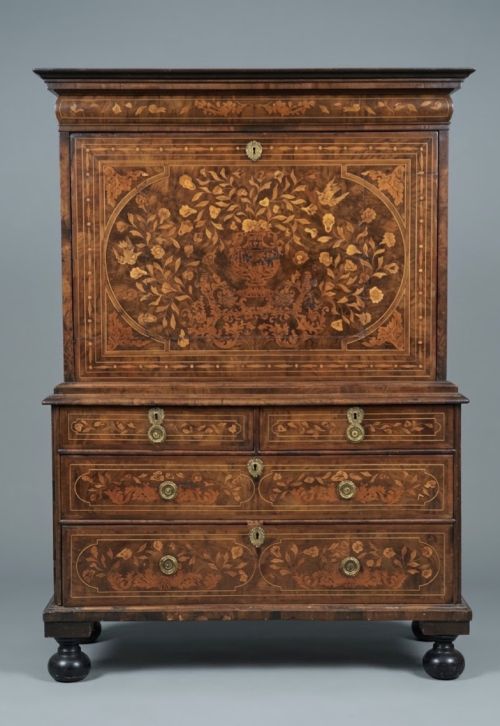
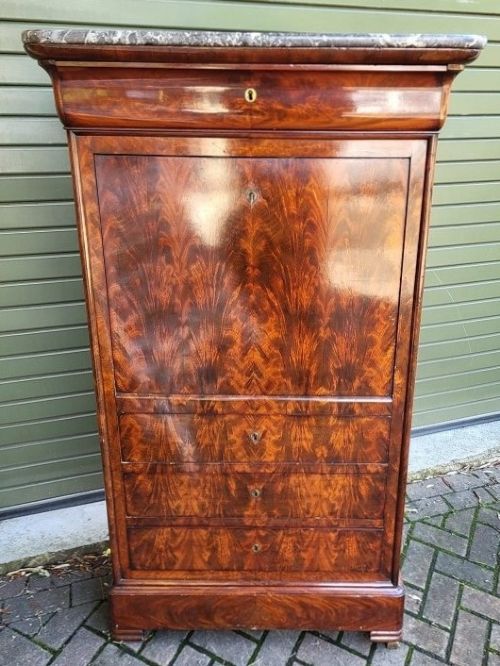
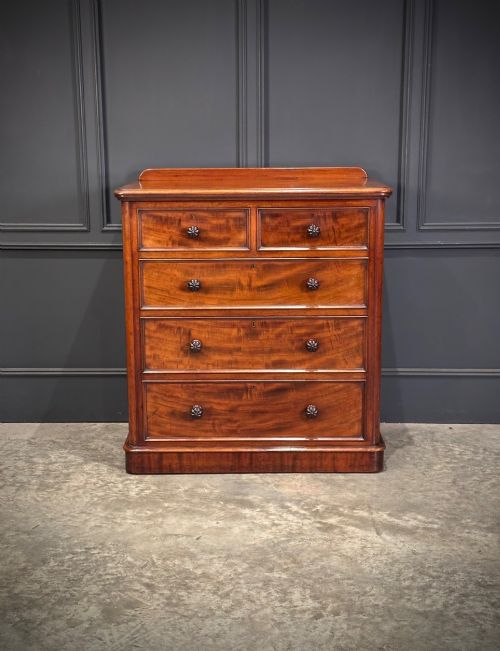
Cabinetmakers built these tall forms using solid hardwoods and softwoods like mahogany, oak, walnut and pine, often applying decorative veneers such as flame mahogany, amboyna, birch and satinwood. Crossbanding and string inlay frequently accent drawer fronts and writing surfaces.
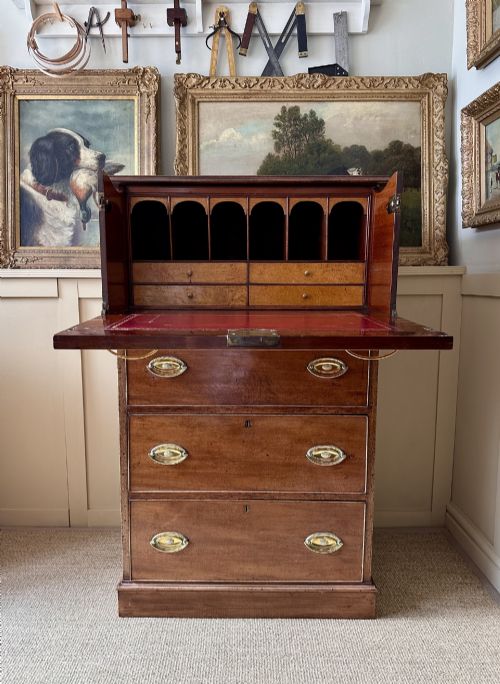
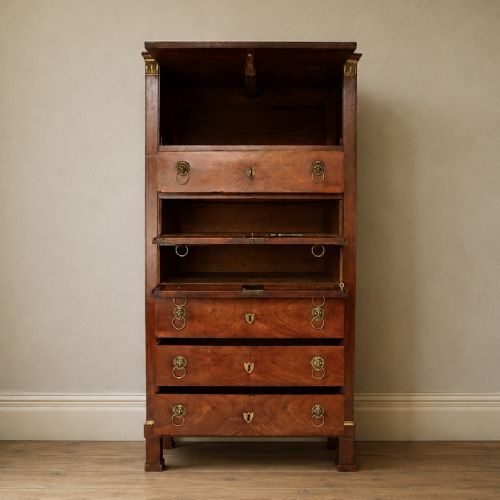
Structural integrity relies on traditional joinery, with internal writing compartments housing small drawers and pigeonholes behind a fall-front desk. Brass hardware, including drop handles and escutcheons, secures the drawers and doors.
Bureau Tallboy Cabinet Retail Price Guide 2026
Typical asking prices for bureau tallboy cabinet among the pieces listed under this phrase on Sellingantiques today, from the lower quarter to the upper quarter. They describe what is for sale here now, not the wider market.
Many writing compartments contain tiny secret drawers hidden behind pigeonholes for keeping confidential notes.
Distinctions in Execution
The standard of a bureau tallboy cabinet rests on the selection of timber veneers and the crispness of any inlay work. Finer examples display symmetrical grain matching, particularly in flame mahogany or amboyna, and precise dovetailing on internal drawers.
Proportion and the integration of the writing flap dictate the visual balance of the piece. Superior execution ensures that the fall-front mechanism operates smoothly and aligns precisely with the surrounding case when closed.
Mawer & Stephenson
The Bureau Tallboy Cabinet Glossary
- Secretaire
- A desk or chest containing a concealed writing drawer or a drop-front compartment. This mechanism folds down to reveal pigeonholes and small drawers.
- Tallboy
- A tall chest of drawers, often constructed as one chest stacked upon another. These pieces provide substantial vertical storage capacity.
- Veneer
- A thin layer of decorative wood applied to a secondary timber base. Figures like flame mahogany or amboyna create patterned surfaces.
- Bracket Feet
- Support feet shaped like a bracket, commonly found on Georgian and Edwardian case furniture. They elevate the cabinet off the floor with clean angles.
- Crossbanding
- A border strip of veneer laid around the edges of a panel or drawer front. The grain runs perpendicular to the main surface to create a contrasting frame.
Bureau Tallboy Cabinet: Frequently Asked Questions
What is a bureau tallboy cabinet?
A bureau tallboy cabinet is a tall storage unit that incorporates a writing surface, typically housed within a drop-front drawer or compartment. These pieces combine the vertical capacity of a chest on chest with the utility of a desk.
They serve as functional workspace and storage furniture, appearing in various historical styles from Georgian to Victorian periods.
How do I identify the period?
Dating relies on timber choices, construction methods, and stylistic details such as brass hardware and foot design. Georgian pieces often feature solid mahogany and bracket feet, while Victorian examples show heavier proportions and varied veneers.
Examining internal secondary woods and drawer joinery helps confirm the era of manufacture.
Where should I place one?
These tall cabinets require adequate wall space and vertical clearance due to their height. They suit studies, living rooms, or bedrooms where both display or storage and a writing surface are desired.
Ensure placement avoids direct sunlight and dramatic temperature fluctuations to protect the wood and veneer.
How do I use the writing flap?
The drop-front writing flap, or fall-front, lowers to a horizontal position supported by internal desk arms or the drawer front itself. This reveals pigeonholes and small stationary drawers.
Close the flap securely when the writing space is not in use to maintain the clean profile of the cabinet.