




Brown Wooden Wheel
A brown wooden wheel brings warmth and utility into a room, spanning rustic spinning implements, practical trolleys, and traditional seating.
Brown Wooden Wheel
When you search for a brown wooden wheel, you encounter a varied selection of antique objects ranging from functional furniture on castors to historic spinning wheels and domestic instruments.
The pieces emerge from periods such as the Georgian era, the Victorian period, and the early twentieth century, reflecting both English country traditions and industrial utility.
How they were made
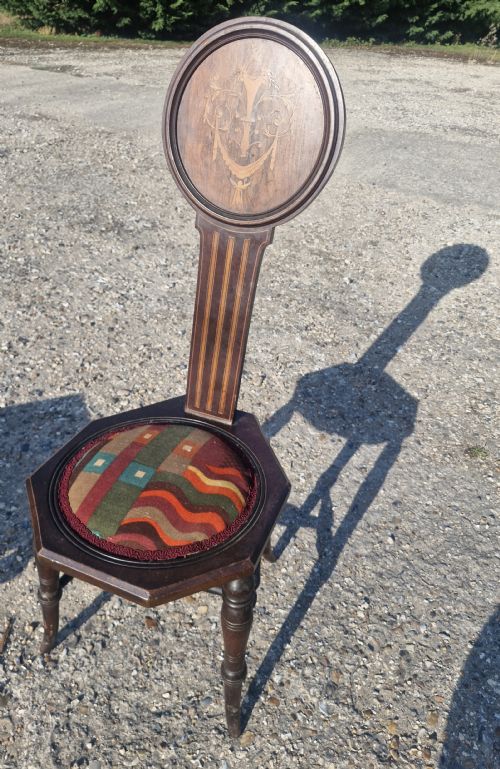
Craftsmen utilised timbers such as mahogany, oak, elm, beech, and yew, often combining different woods within a single item like a harlequin set of kitchen chairs.
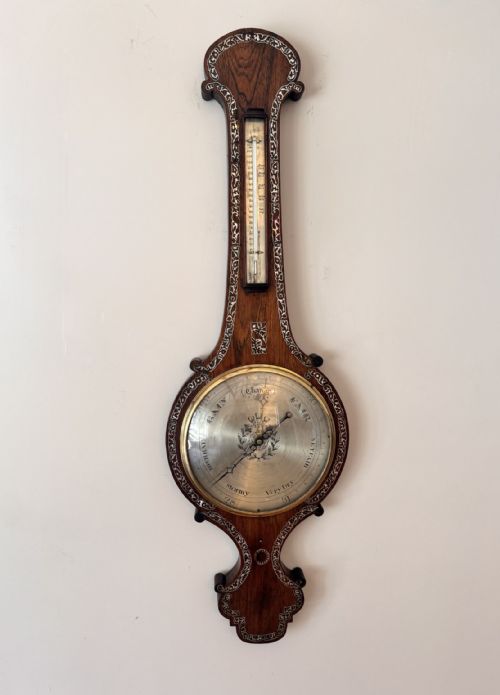
Metal components in brass and iron frequently appear as operational hardware, castors, or barometer fittings, paired with glass dials and occasionally inlaid mother of pearl.
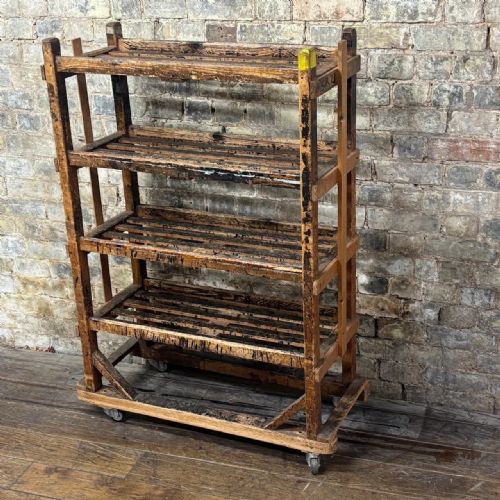
A child's pull-along horse shares the wheel category with grand scientific barometers and industrial shoe trolleys.
What varies in quality
The standard of a brown wooden wheel depends on the crispness of its turned spindles, the selection of figured timber, and the integrity of the original construction.
Folk art carving and named maker signatures on barometers elevate certain examples, whereas utilitarian pieces rely entirely on robust joinery and honest wear.
B Besozzi of Weymouth·James Mein of Kelso·Molton of Norwich·Jenkins Of Old Swindon·W E Pain of Cambridge·L Casatelli of Liverpool
The Brown Wooden Wheel Glossary
- Wheel-back
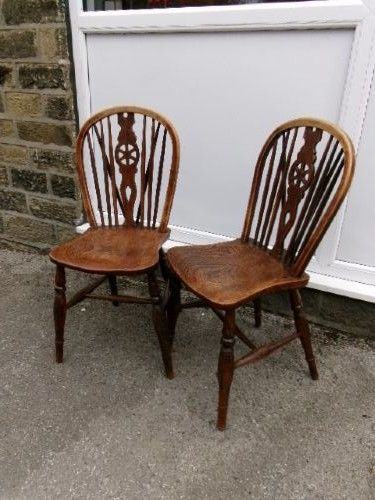
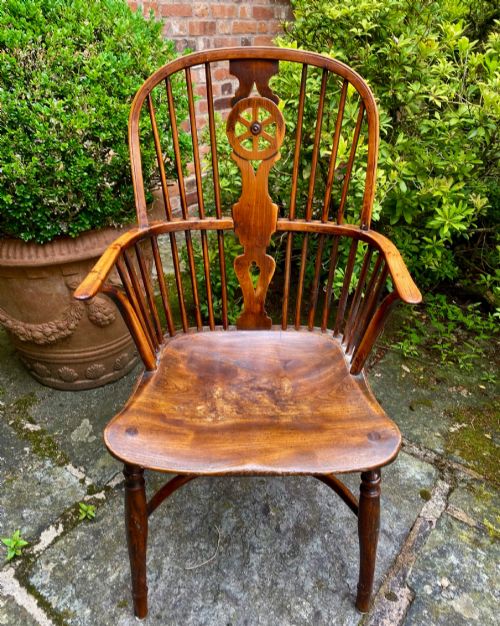
- A Windsor chair design featuring a pierced wooden splat carved in the shape of a carriage wheel.
- Barometer
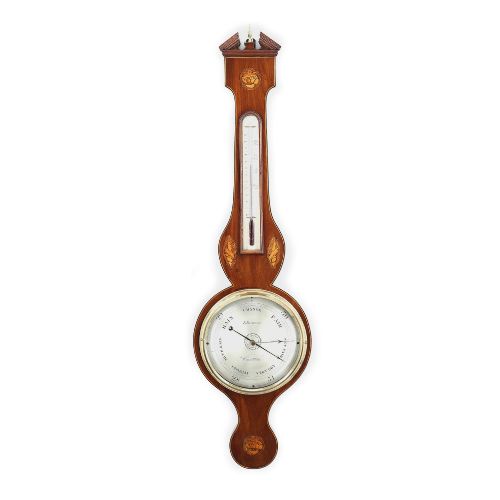
- An instrument housed in a wooden case, often banjo-shaped, designed to measure atmospheric pressure.
- Castor
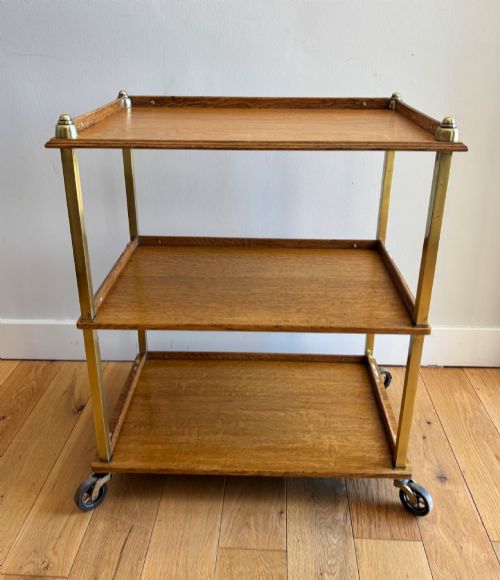
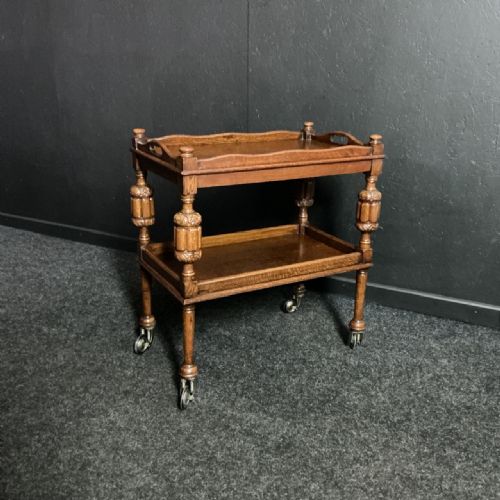
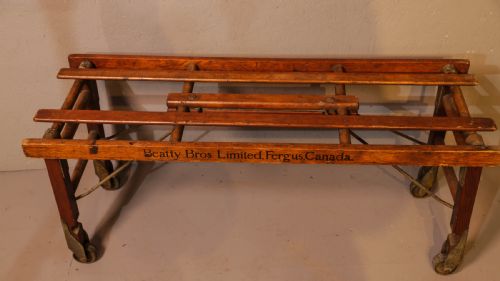
- A small wheel mounted on a swivel assembly attached to the legs of trolleys and chairs for mobility.
- Distaff
- A tool used in spinning to hold wool or flax before the fibres are drawn out into yarn.
Brown Wooden Wheel: Frequently Asked Questions
What is a wheel back chair?
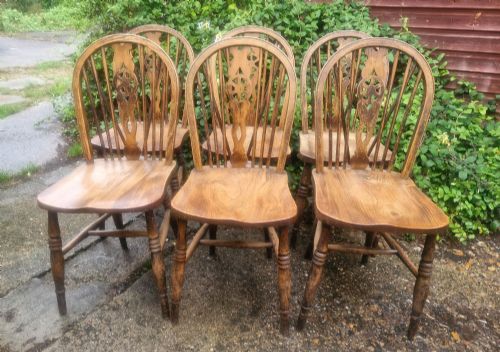
A wheel back chair is a traditional wooden seating form featuring a central splat shaped like a cartwheel. These pieces typically combine elm seats with beech or ash spindles.
They originated as sturdy kitchen and farmhouse furniture, prized today for their comfort and regional English craftsmanship.
How do I identify a wheel barometer?
A wheel barometer is housed in a shaped wooden case, often veneered in mahogany, featuring a round dial with a visible pointer. Many examples include a spirit level at the base.
Maker signatures frequently appear on the brass or porcelain dial face, dating the instrument to the Georgian or Victorian eras.
Where were spinning wheels used?
Traditional spinning wheels served a domestic function in rural homes for processing raw wool, flax, or silk into yarn. Some examples originate from domestic British workshops, while others hail from India.
They display turned wooden construction and function through a foot treadle or hand-turned wheel.
How do I care for antique wooden trolleys?
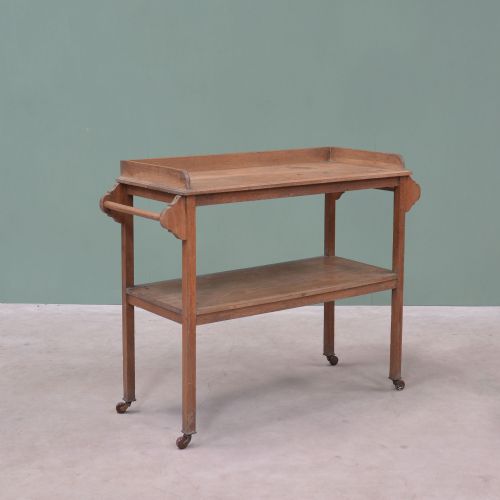
Antique wooden trolleys require regular dusting with a dry cloth and occasional application of appropriate beeswax to nourish the timber. Avoid placing them in direct sunlight or near heat sources.
The metal castors and wheels should be checked gently to ensure smooth movement without forcing rusted mechanisms.