



Brown Wooden Vases
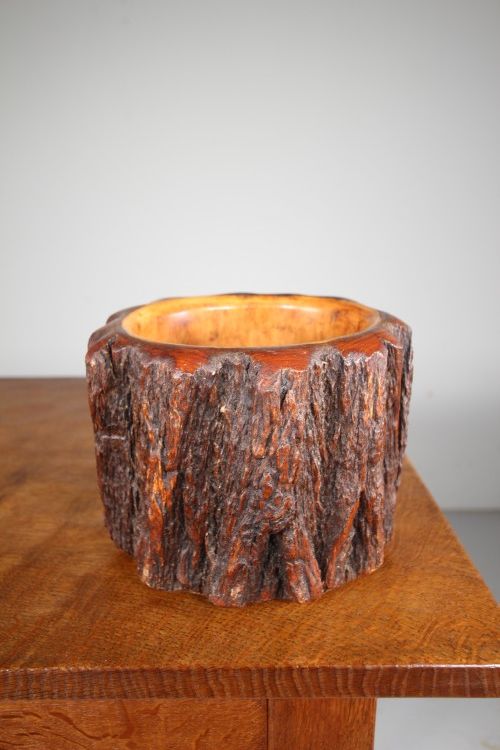
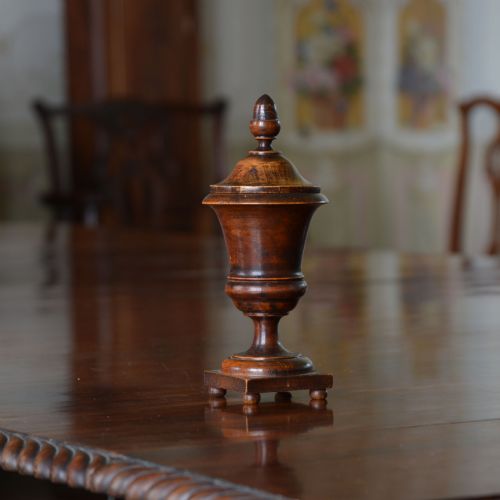
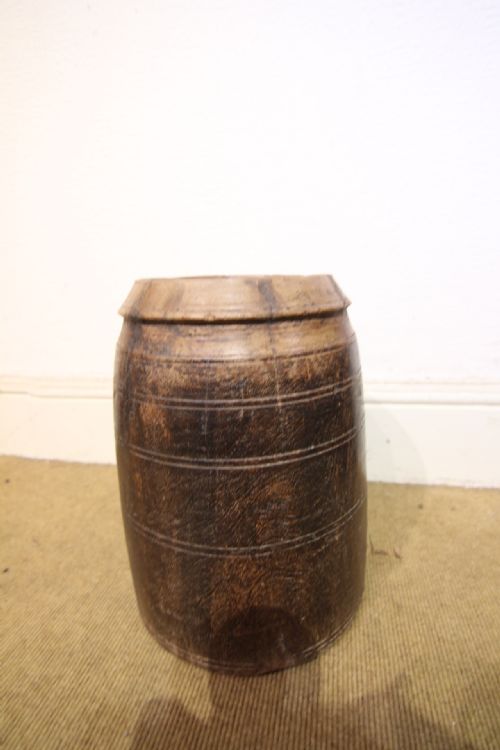
Brown wooden vases bring warmth and natural texture to a room, offering sculptural form through turned timber and traditional treen.
Brown Wooden Vases
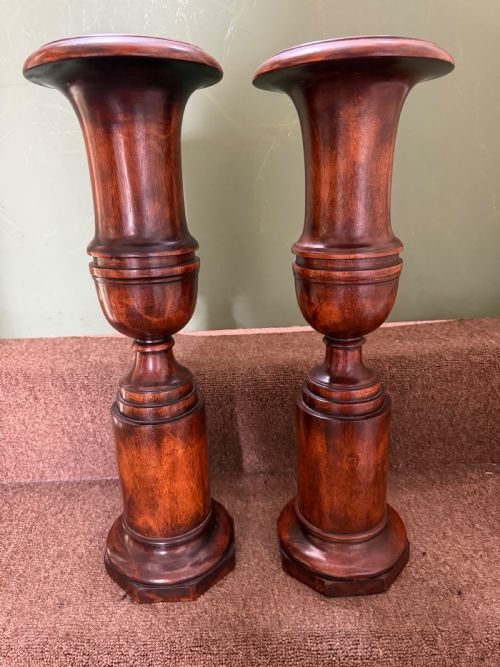
When searching for brown wooden vases, you encounter turned decorative vessels, spill vases, and treen items originating from the eighteenth and nineteenth centuries. These pieces encompass various forms, from neoclassical paired urns to campana shapes and lidded vessels created from timber.
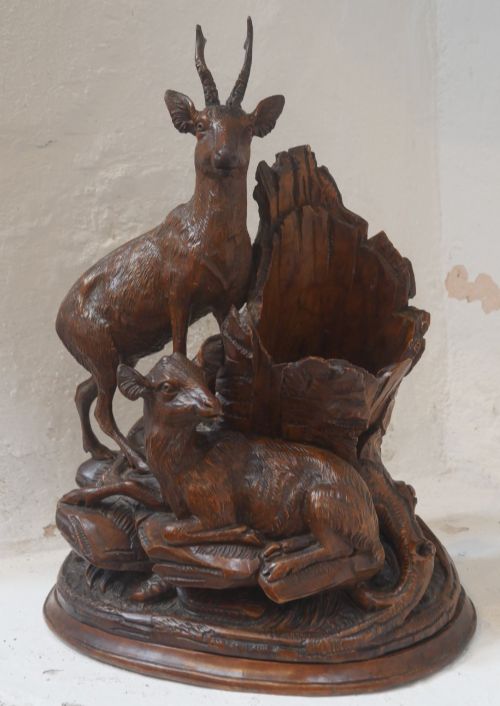
The selections span different periods including Georgian, Victorian, and Edwardian eras, alongside Black Forest and treen examples. Turned walnut, mahogany, fruitwood, and yew wood appear frequently among the listings on this page.
How they were made
Craftsmen utilised traditional woodturning techniques on a lathe to shape dense timbers such as walnut, mahogany, fruitwood, and yew wood into symmetrical vessels. Hand carving and turning produced the fine decorative details seen on neoclassical urns and spill vases.
Makers selected seasoned hardwoods to ensure stability and rich natural grain patterns. Surface finishes relied on natural oils and polishes to highlight the figure of the wood over centuries.
What varies in quality
The distinction between ordinary turned items and superior pieces rests on the precision of the turning and the choice of timber figure. Richly grained walnut, yew wood, and figured fruitwood display superior material selection.
Proportion and execution of neoclassical details set finer specimens apart. Crisp turning lines and balanced forms demonstrate the skill of the original maker.
The Brown Wooden Vases Glossary
- Treen
- Small handmade wooden objects for domestic use. This term covers items like turned bowls, spill vases, and chalices shaped from various timbers.
- Campana
- A bell-shaped vessel form inspired by classical antiquity. These urns feature a flared rim tapering down to a narrow base.
- Spill vase
- A small container designed to hold wooden spills used for lighting fires. They are frequently turned from oak, yew, or fruitwood.
- Neoclassical
- A style drawing inspiration from classical Greek and Roman art. Pieces show symmetrical turned elements and balanced architectural proportions.
Brown Wooden Vases: Frequently Asked Questions
What are brown wooden vases used for?
These turned wooden vessels serve primarily as decorative objects or mantel ornaments. Historically, specific forms such as spill vases held tapers for lighting candles and hearth fires.
Today they function as sculptural display pieces that bring natural timber textures into domestic interiors.
How old are these wooden vases?
The examples on this page span the eighteenth and nineteenth centuries, including Georgian, Victorian, and Edwardian periods. Earlier pieces often utilise fruitwood or yew, while later nineteenth-century items include walnut and treen.
Each piece reflects the turning techniques and aesthetic preferences of its specific decade of origin.
How do I care for antique wooden vases?
Maintain antique treen and turned wooden vessels by keeping them away from direct sunlight and sudden temperature changes. These environmental controls prevent the timber from drying out or splitting.
Apply a minimal amount of appropriate furniture wax occasionally to nourish the grain without building up heavy residue.
What woods were used for these vases?
Makers utilised a variety of dense hardwoods chosen for their grain and stability. Walnut, mahogany, oak, fruitwood, and yew wood appear across the historical examples.
Each timber species imparts a distinct colour palette and natural figuring to the turned vessel.