



Brown Wooden Tableware
Brown wooden tableware brings practical warmth to the dining table through turned treen, carved serving vessels, and practical dining implements.
Brown Wooden Tableware
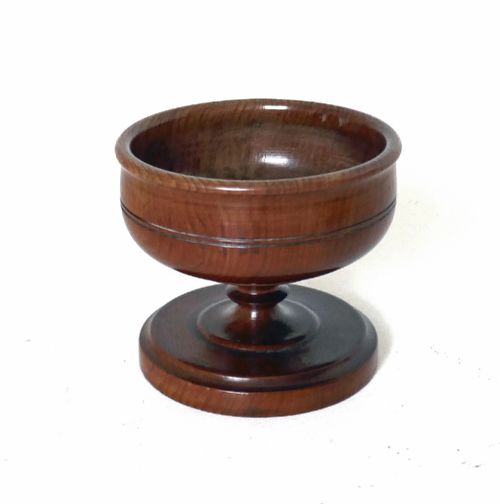
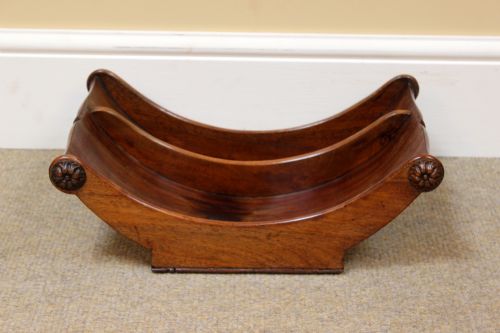
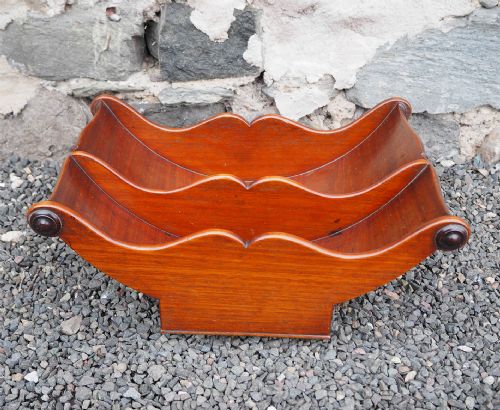
When buyers search for brown wooden tableware, they encounter practical dining accessories and serving pieces shaped from various timbers across multiple historic periods. These items range from small condiment vessels like salt cellars and egg cup stands to larger table accessories such as cheese coasters and salad bowls.
The selections on this page lean heavily towards turned treen and dining implements dating from the Georgian, Regency, and Victorian eras, alongside early twentieth-century examples. Forms vary from simple utilitarian spoons and strainers to mounted bowls featuring silver plate and metal additions.
Makers fashioned these utilitarian objects from domestic and exotic hardwoods chosen for their durability and grain pattern. Buyers find both British provincial pieces and continental examples, such as Swiss folk art spoons, reflecting domestic dining habits of past centuries.
Materials and construction methods
Craftsmen shaped these pieces predominantly on lathes or through careful hand carving using timbers like mahogany, fruitwood, oak, yew wood, and pollard oak. These woods provided the necessary density and rich natural colour required for items subject to daily dining use.
Turned items display concentric growth rings and smooth cylindrical profiles achieved by mounting timber on a pole lathe or foot-powered machine. Joinery and turning were supplemented in later Victorian and Edwardian periods by metal mounts and silver plate rims that reinforced vulnerable edges.
Brown Wooden Tableware Retail Price Guide 2026
Typical asking prices for brown wooden tableware among the pieces listed under this phrase on Sellingantiques today, from the lower quarter to the upper quarter. They describe what is for sale here now, not the wider market.
Listings feature items spanning the eighteenth, nineteenth, and early twentieth centuries, constructed from mahogany, oak, fruitwood, yew, and pollard oak.
Assessing quality in wooden items
Quality rests primarily in the crispness of the turning, the harmonious figure of the timber grain, and the preservation of original surface patination. Superior examples display balanced proportions, clean architectural profiles on raised bases, and minimal historical timber shrinkage.
Later additions or replacements of metal mounts and silver plating diminish historical integrity, whereas untouched surfaces with deep, natural polish elevate a piece. The skill of the original turner dictates whether structural details like raised bases and capstan profiles remain sharp and defined.
The Brown Wooden Tableware Glossary
- Treen
- Small handmade wooden objects for domestic use. This category encompasses items ranging from spoons and salt cellars to bowls and coasters.
- Cheese Coaster
- A wheeled or stationary shallow tray designed to hold a wedge of cheese on the dining table. They frequently feature mahogany frames with turned bases.
- Pollard Oak
- Timber taken from trees that were pollarded, resulting in a gnarled grain pattern with dense clusters of knots. Cabinet makers prized this wood for its decorative surface figure.
- Searce
- A fine sieve or strainer used in food preparation and dining. Early examples were constructed entirely from turned wood and internal mesh.
- Capstan Salt
- A small open salt cellar shaped like a ship's capstan with a wide waist and flaring top and base. They were commonly turned from dense hardwoods during the nineteenth century.
Brown Wooden Tableware: Frequently Asked Questions
What is brown wooden tableware used for?
These pieces served practical dining functions, holding condiments, salt, eggs, cheese, and salads during meals in past centuries. Today, collectors use them both as decorative dining accessories and as functional additions to modern tables.
Items like cheese coasters and salad bowls transition easily into contemporary settings, offering a tactile alternative to ceramic and glass tableware.
How do I care for antique wooden tableware?
Antique treen and dining wood require gentle treatment, avoiding soaking in water or exposure to extreme heat and dry central heating. Regular application of suitable wax or oil helps prevent the timber from drying out and maintains the natural lustre.
Hand washing with mild soap and immediate drying is essential for pieces retaining metal mounts or silver plate to prevent corrosion.
How do I date antique wooden tableware?
Dating relies on identifying the turning style, timber species, tool marks, and overall wear patterns characteristic of specific periods like the Georgian or Victorian eras. Examining construction methods, such as the type of lathe work or the presence of hand-cut joints, provides chronological clues.
Comparing piece forms with dated examples in historical records helps narrow down the decade of manufacture.
Are these wooden items safe for modern food use?
While many historical pieces were designed for food service, antique wooden tableware often accumulated wear, micro-cracks, and historical residues over centuries of use. Buyers frequently choose to display them or use them exclusively for dry foods rather than wet or oily dishes.
Assessing the condition of the surface finish helps determine whether a piece remains suitable for practical culinary application.