

Brown Wooden Shield
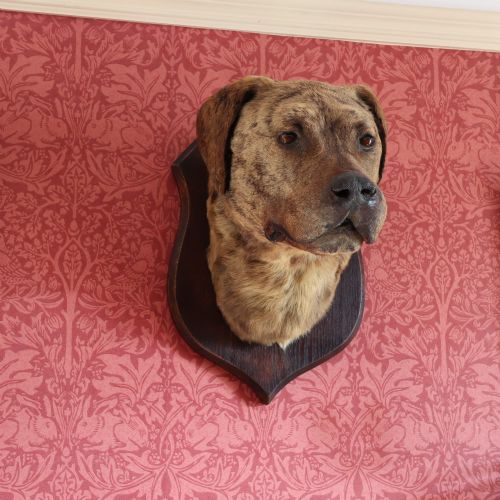
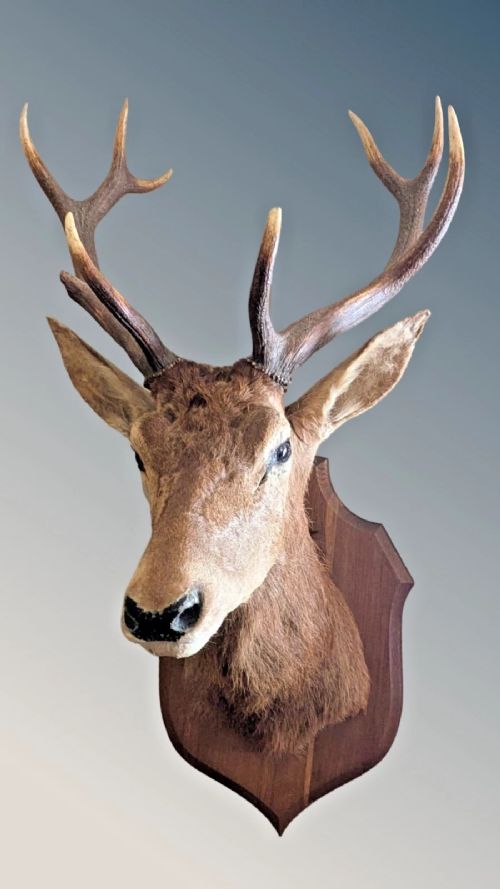
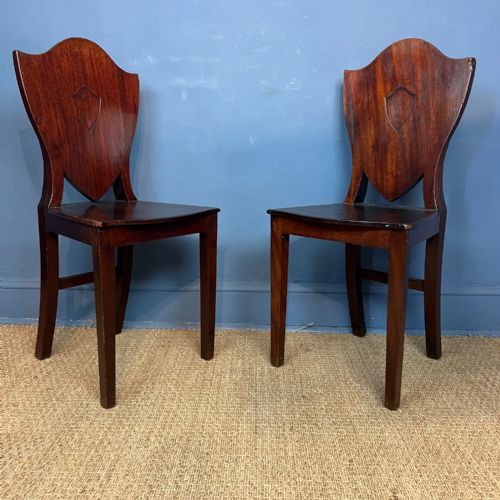
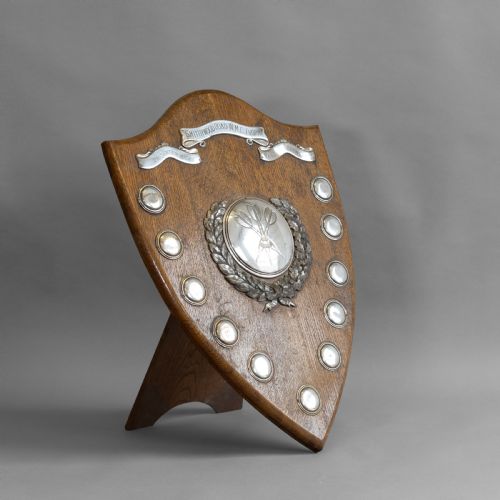
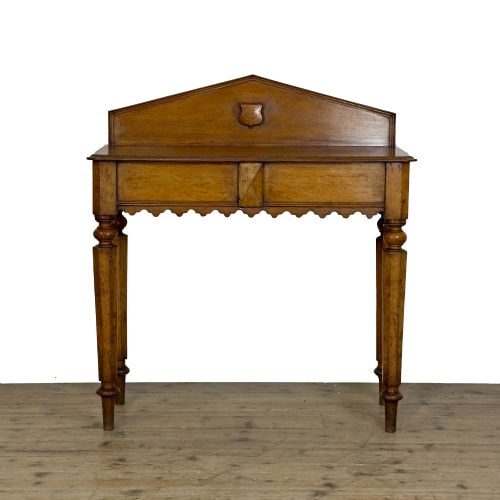
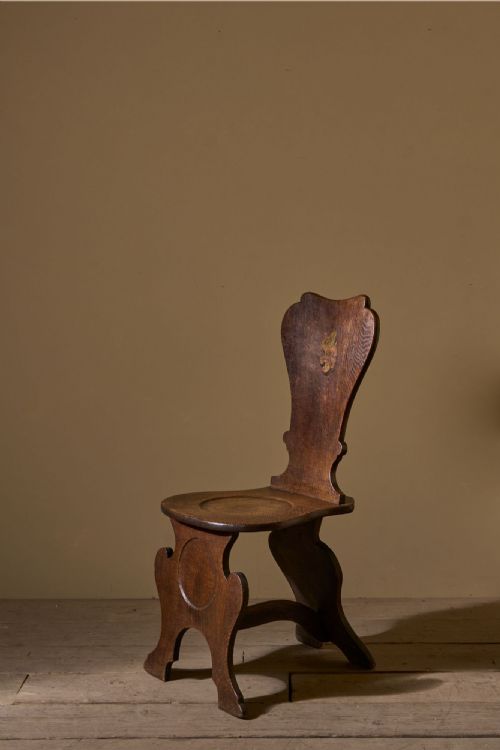
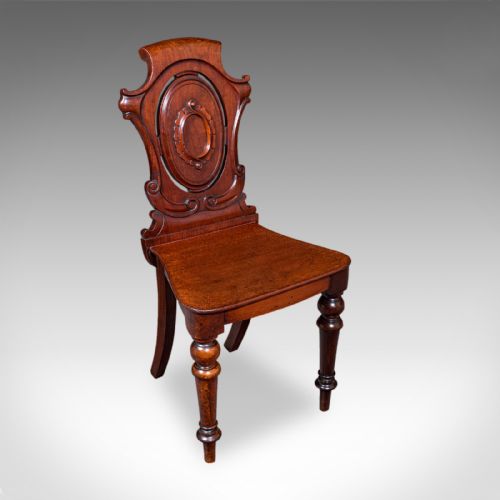
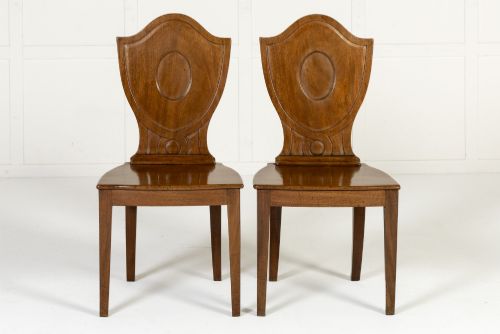
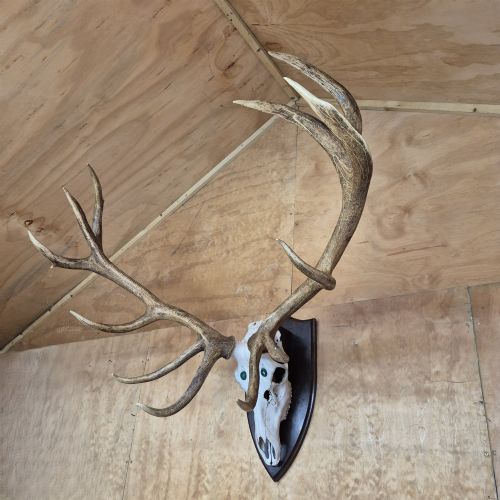
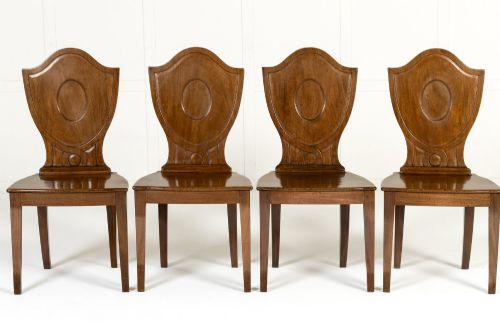
A brown wooden shield most frequently appears on this page as the carved splat of a hall chair or as a mounted wall plaque.
Brown Wooden Shield
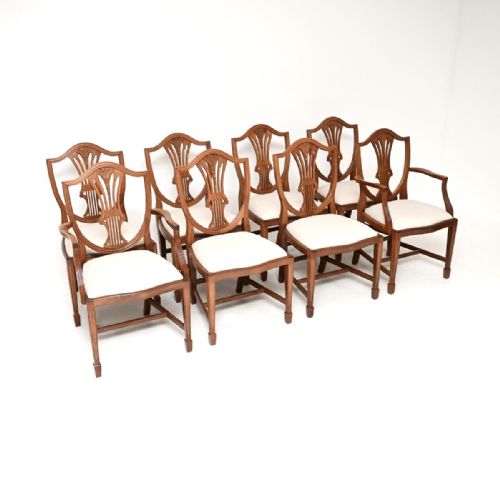
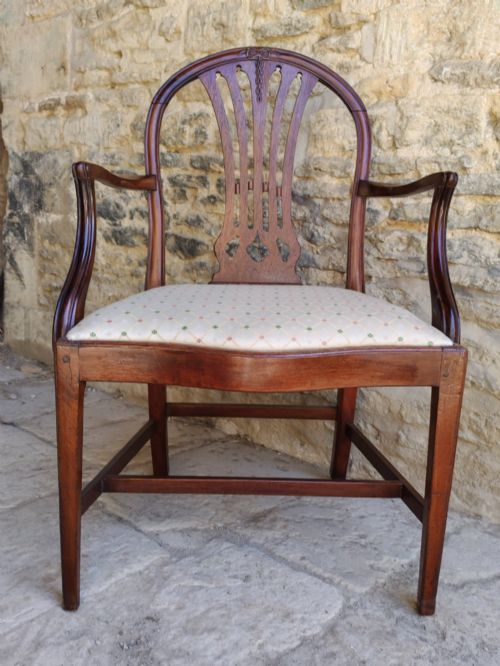
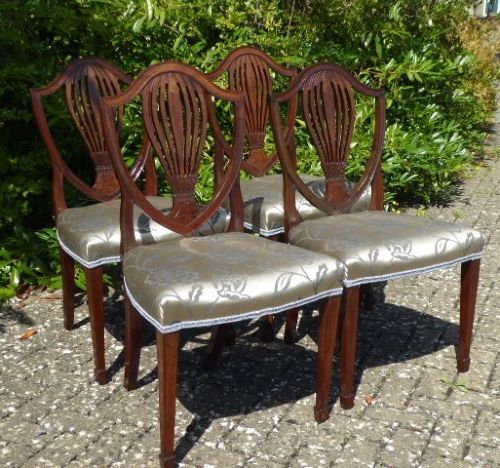
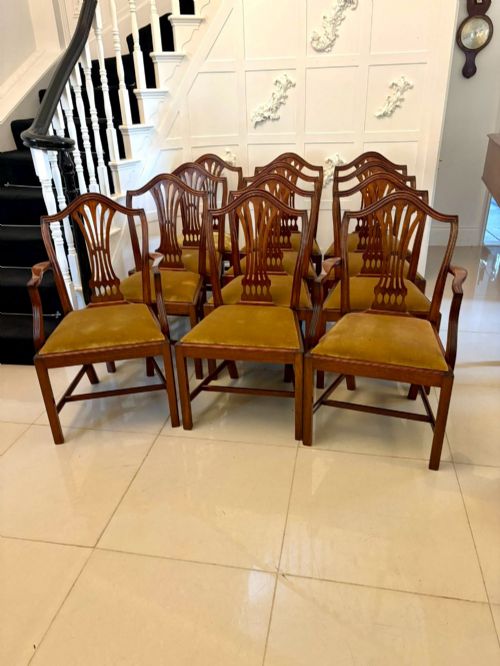
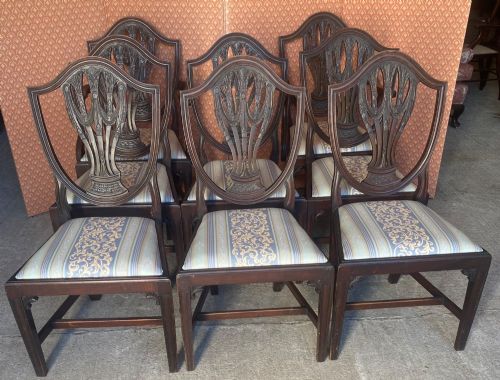
When you search for a brown wooden shield, you encounter a distinct group of antique seating and wall fixtures that draw on classical heraldic forms. The pieces span from the 18th century through the Georgian, Victorian, and Edwardian eras, reflecting enduring cabinet-making traditions. The most common manifestation on this page is the shield back hall chair, where the upper backrest takes a tapering, curved outline.
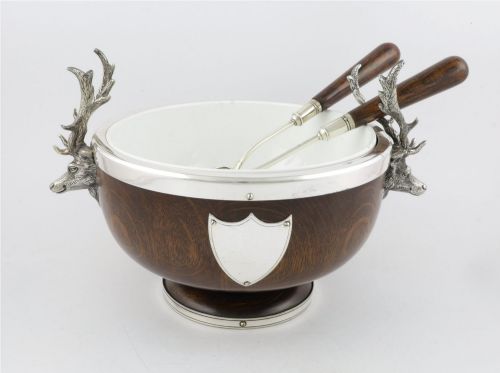
Beyond seating, the phrase applies to functional wooden items shaped directly into heraldic plaques or key boards. These objects utilise dense timbers like mahogany and oak, often shaped with hand carving or inset panels. They served utility in reception areas, hallways, and grand dining rooms, carrying an architectural presence that distinguishes them from ordinary domestic furniture.
How they were made
The construction of these items relies predominantly on solid mahogany and oak, selected for their structural integrity and deep grain patterns. Craftsmen utilised traditional joinery techniques such as mortise and tenon to anchor the shaped backrests and frames securely. Carving was executed by hand, defining the contours of the shield backrest and any applied crests or foliage.
Surface finishing involved polishing the timber to bring out the natural warmth of the wood. Where glass, brass, or silver elements appear, they are fitted flush into the wooden body. The reliance on dense hardwoods ensures that the shaped profiles retain their sharp lines across centuries of handling.
Brown Wooden Shield Retail Price Guide 2026
Typical asking prices for brown wooden shield among the pieces listed under this phrase on Sellingantiques today, from the lower quarter to the upper quarter. They describe what is for sale here now, not the wider market.
Listings span the 18th, 19th, and early 20th centuries, featuring mahogany, oak, and walnut in traditional hall and dining forms.
What varies in quality
The standard of a brown wooden shield rests on the crispness of the timber carving and the architectural proportion of the frame. Finer examples display deeply undercut mouldings and symmetrical grain matching across the shield backrest. Lesser pieces rely on simpler, shallower incisions and softer secondary timbers.
Weight and structural rigidity further separate the work of skilled cabinet makers from standard production pieces. A superior hall chair or wall plaque demonstrates seamless joints and substantial timber thickness that resists warping. The integration of carved details without the use of excessive filler marks the distinction in tier.
Edward Gerrard and Sons·P Spicer and Sons
The Brown Wooden Shield Glossary
- Shield back
- A chair backrest shaped in the outline of a heraldic shield, tapering towards the seat. This form became prominent in late 18th-century dining and hall seating.
- Hall chair
- An upright wooden seat designed for an entrance hallway, frequently featuring a solid carved back and timber seat rather than upholstery. These chairs often bear crests or shield motifs.
- Carver armchair
- An armchair designed to match a set of dining chairs, typically featuring open arms and a wider seat. They often incorporate shield backrest designs in Hepplewhite styles.
- Serpentine
- A furniture front or edge line curving outward in the centre and inward at the sides. This contour appears on dressing mirrors and table frames associated with these periods.
- Splinter shield
- A descriptive term for the central wooden board forming the back support of specific hall seating and wall plaques.
Brown Wooden Shield: Frequently Asked Questions
Where were hall chairs placed?
Hall chairs stood in entrance halls and reception rooms of large houses, primarily intended for guests waiting briefly rather than long seating. Their solid wooden construction made them durable against heavy traffic.
Because they lived in halls, their designs often featured bold heraldic shields or family crests to announce the household's identity upon entry.
How do I date a wooden shield?
Dating relies on timber selection, tool marks, and stylistic shifts between the Georgian, Victorian, and Edwardian eras. Earlier pieces from the 18th century tend to feature dense, heavy mahogany and hand-cut joinery.
Later Victorian and Edwardian interpretations often revive these historical outlines while exhibiting machine-assisted precision in their carving and assembly.
Are shield pieces comfortable?
Most pieces featuring a wooden shield design possess solid wood seats without upholstery, prioritising upright posture and ease of cleaning. They were built for formal presentation in hallways rather than lounging.
Placing a cushion on the wooden base alters the intended historic aesthetic, though many owners use them primarily as decorative architectural statements.