

Brown Wooden Plaque
A brown wooden plaque brings warmth and history to an interior through centuries of skilled carving and timber selection.
Brown Wooden Plaque
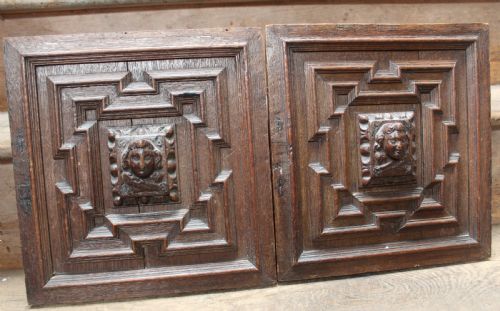
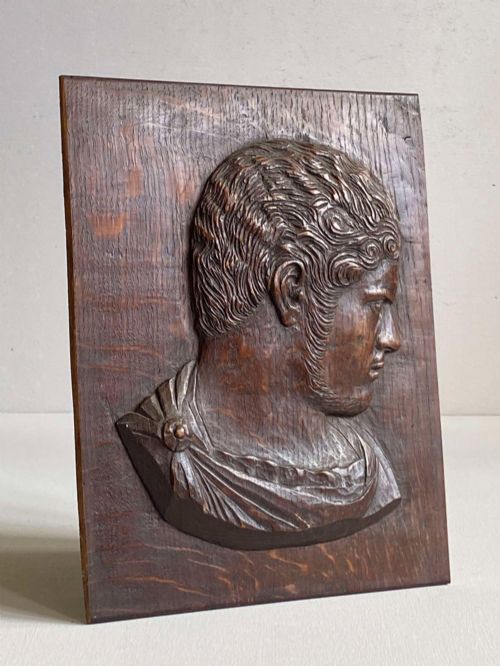
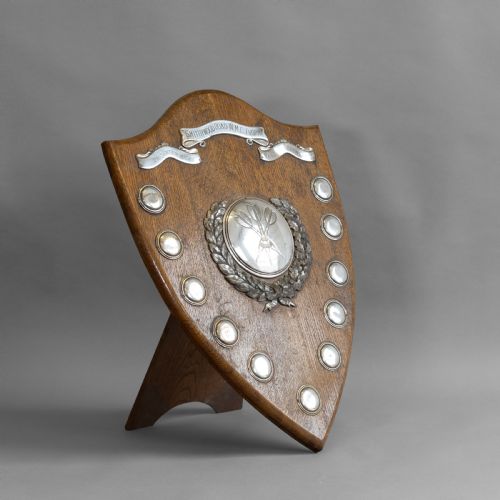
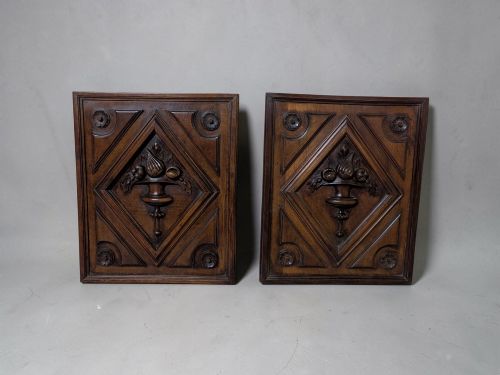
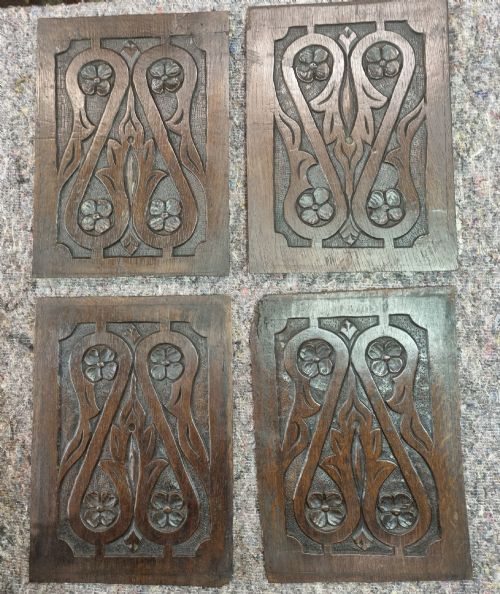
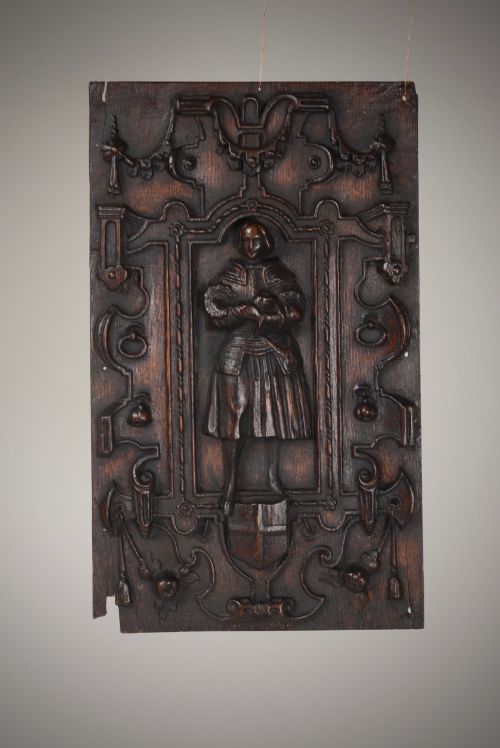
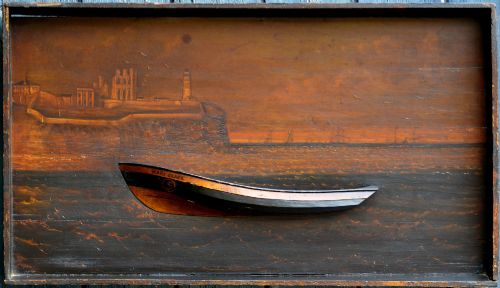
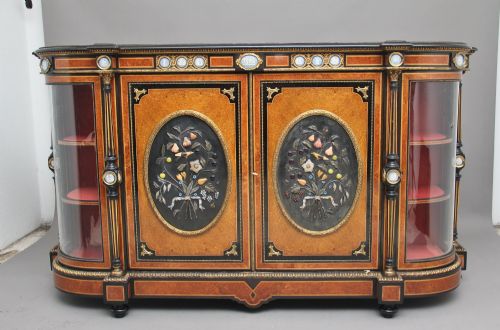
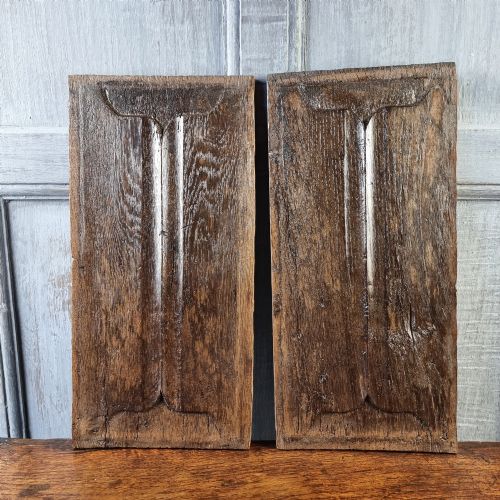
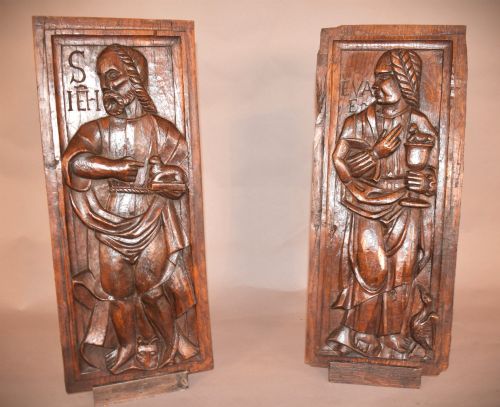
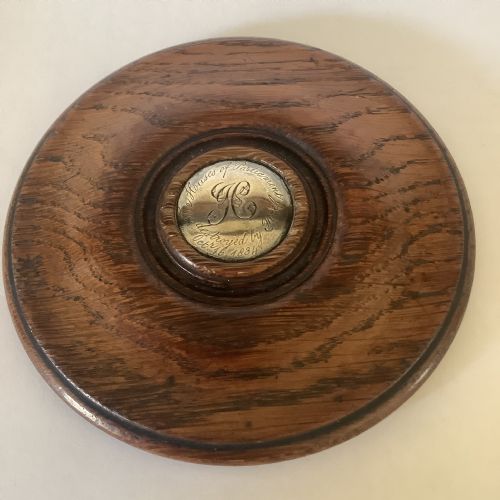
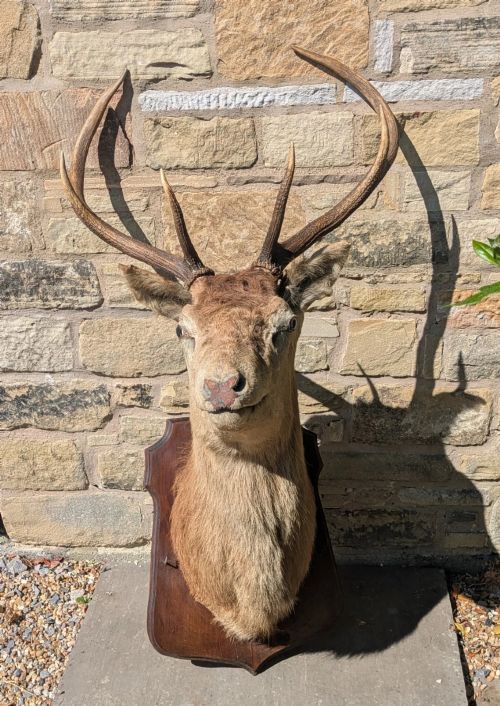
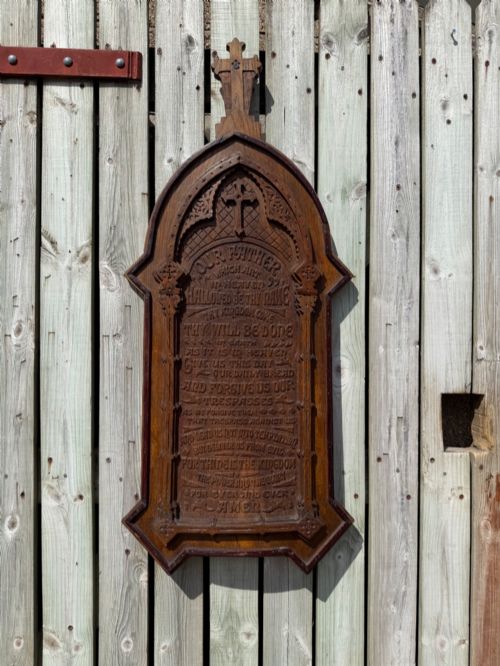
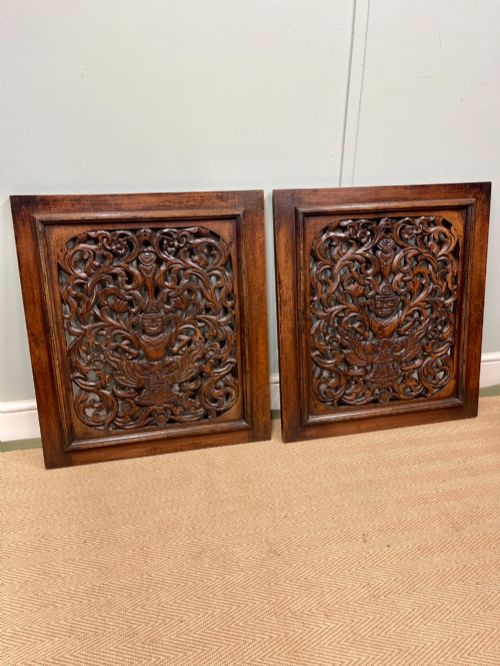
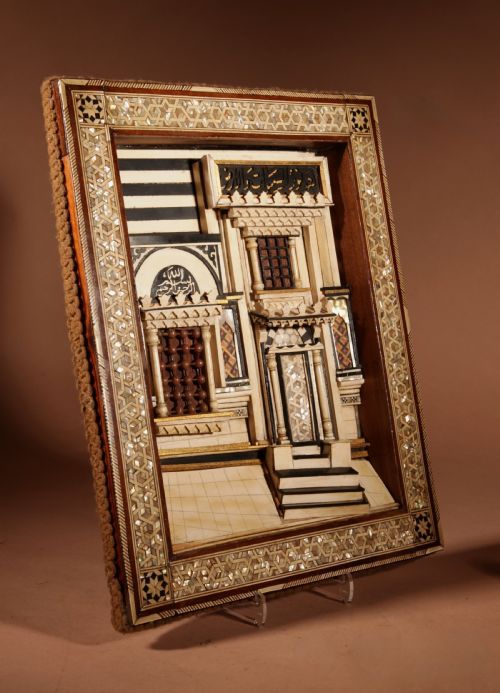
A brown wooden plaque functions as a decorative wall hanging, panel, or architectural fragment, often shaped by traditional craftsmanship. When searching for a brown wooden plaque, a buyer encounters items ranging from intricately carved oak panels dating to the seventeenth century to Black Forest hunting trophies and folk art pieces from the Victorian era. These objects take the form of wall plaques, architectural salvage, and relief carvings reflecting diverse global styles.
The pieces originating from the nineteenth century predominate on this page, alongside earlier seventeenth-century works and later twentieth-century examples. Common formats include rectangular wall panels, figural portraits, armorial crests, and animal carvings meant for display on interior walls. Each object demonstrates how artisans utilised local timbers to record history, religion, and regional aesthetics.
How they were made
Carpenters and carvers shaped these pieces primarily from dense hardwoods like oak, walnut, teak, and mahogany, selecting timber for grain pattern and durability. Artisans utilised hand chisels, gouges, and saws to achieve varying depths of relief, from shallow linenfold patterns to deep, theatrical baroque foliage and figural scenes. Some panels incorporated applied paint or ebonising to highlight specific details of the design.
Workshop methods varied by region and period, with European makers favouring quarter-sawn oak and fruitwood, while makers in other regions utilised teak and hardwood. Panels often relied on traditional joinery techniques, such as tongue and groove or mortise and tenon, to accommodate the natural expansion and contraction of solid timber over time.
Brown Wooden Plaque Retail Price Guide 2026
Typical asking prices for brown wooden plaque among the pieces listed under this phrase on Sellingantiques today, from the lower quarter to the upper quarter. They describe what is for sale here now, not the wider market.
Design influences on this page span Gothic Revival, Baroque, Renaissance Revival, Folk Art, and Black Forest styles.
What varies in quality
The distinction between standard and superior pieces rests on the depth, ambition, and precision of the hand carving. Finer works display crisp undercut details, anatomical accuracy in figural or animal subjects, and harmonious composition across the surface of the timber. Lesser examples show mechanical rigidity, shallower relief, and less expressive handling of the subject matter.
The integrity of the wood itself influences overall quality, particularly the choice of seasoned timber that resists severe splitting and warping. Patina also plays a role, as natural ageing through handling and wax polishing develops a richer surface texture on high-grade pieces compared to stripped or heavily refinished surfaces.
The Brown Wooden Plaque Glossary
- Linenfold
- A style of wood carving that imitates folded linen, popular on sixteenth and seventeenth-century panels. This technique creates a textured surface resembling vertical drapery.
- Relief
- A sculptural technique where figures or patterns project from a flat background. High relief elements stand out boldly from the timber base, whereas low relief variations remain shallow.
- Acanthus
- A decorative motif based on the leaves of the Mediterranean acanthus plant, frequently seen in Baroque and Gothic Revival carvings. Artisans carved these scrolling leaf forms to frame central subjects.
- Folk art
- Objects created by self-taught or traditional artisans working outside formal academic traditions. These pieces often exhibit regional character and direct, unpretentious handling of materials.
- Black Forest
- A style of ornate wood carving originating from the mountainous region of Germany and Switzerland during the nineteenth century. These items typically depict animals, hunting trophies, and foliage in deep relief.
Brown Wooden Plaque: Frequently Asked Questions
How are wall plaques mounted?
Most antique wooden plaques feature original hanging loops, recessed brackets, or solid timber margins designed to accept traditional wall fasteners safely.
Heavier panels often require professional wall anchors to support the substantial weight of dense hardwoods like oak or teak securely.
How should I clean my wooden plaque?
Dust the surface regularly with a soft, dry cloth to prevent the accumulation of grit within the carved recesses.
Avoid liquid cleaners, chemical sprays, and excessive moisture, applying only occasional traditional beeswax to nourish the dry timber.
Are these panels from old buildings?
Many examples originate as architectural salvage, having been removed from historic domestic interiors, public halls, or ecclesiastical settings during renovations.
Others were created specifically as standalone decorative wall art, presentation pieces, or commemorative plaques from their inception.
How can I date an old carving?
Dating relies on examining tool marks left by hand chisels, the species of timber used, and stylistic indicators such as Gothic revival or Baroque motifs.
Comparing the construction methods and the natural patina of the wood against established historical periods helps confirm the likely era of manufacture.