




Brown Wooden Piano Stool
These brown wooden piano stool examples offer sturdy seats for musicians, combining period craft with practical daily utility.
Brown Wooden Piano Stool
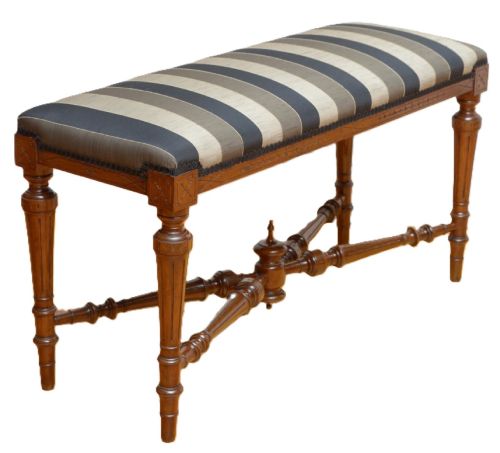
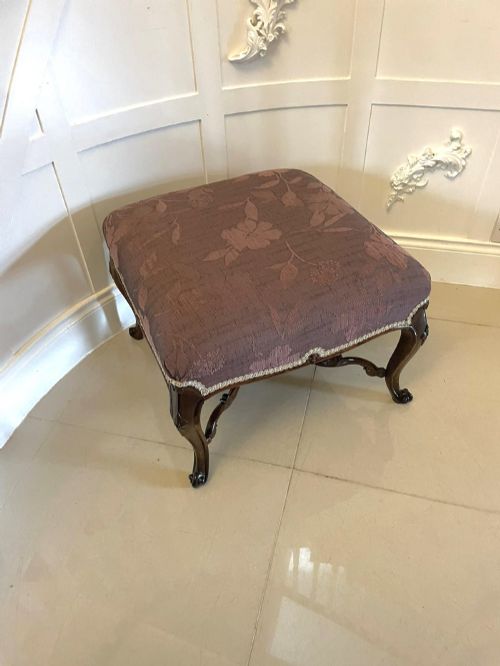
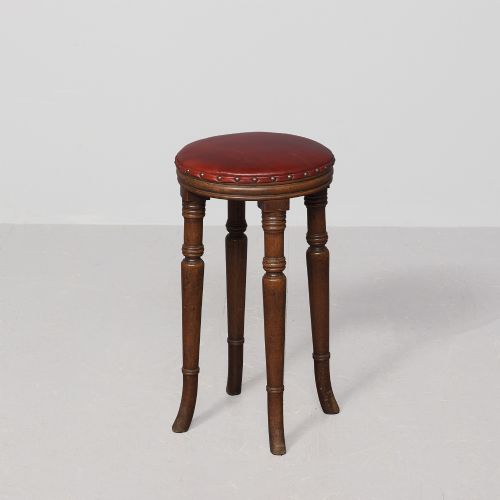
When you search for a brown wooden piano stool, you encounter diverse seating forms ranging from nineteenth century adjustable examples to Edwardian mahogany window seats. These pieces originate from periods such as the Regency, Victorian, and Edwardian eras, reflecting the domestic music-making habits of past households.
You are most likely to meet mahogany or rosewood stools featuring upholstered tops, alongside occasional oak and hardwood variants. Forms vary from single revolving seats to duet benches and chairs designed specifically for musicians at the keyboard.
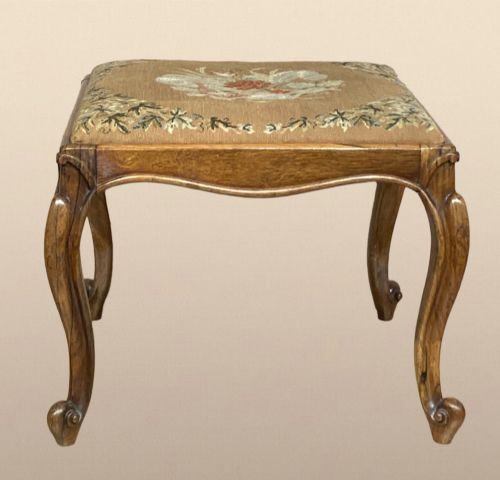
The historical scope spans from George III designs up to the early twentieth century, showing how cabinet makers adapted seating heights and swivel mechanisms for comfort. Many incorporate fabric or leather upholstery, resting on cabriole or straight legs.
How they were made
Cabinet makers utilised dense hardwoods such as mahogany, rosewood, and oak to construct the frames, often employing hand carving on legs and rails. Iron and brass components frequently appear within the mechanical height adjustment systems of these rotating or screw-adjusted seats.
Upholstery techniques involved durable fabrics and leather fastened over padding to provide support during long practice sessions. Inlaid details in Edwardian examples show decorative veneering applied to the primary wooden structures.
Brown Wooden Piano Stool Retail Price Guide 2026
Typical asking prices for brown wooden piano stool among the pieces listed under this phrase on Sellingantiques today, from the lower quarter to the upper quarter. They describe what is for sale here now, not the wider market.
Some nineteenth century musicians clearly insisted on extra leverage, resulting in heavy iron screws hidden beneath polite mahogany seats.
What varies in quality
The refinement of the timber carving and the complexity of the adjustable mechanism separate standard examples from finer works. Rosewood and mahogany pieces with sophisticated turnings or inlaid decoration generally demonstrate superior cabinet making.
Original upholstery materials and sound mechanical operation without excessive play in the screw thread indicate higher preservation standards. The harmony between the timber frame and the chosen fabric dictates the overall aesthetic merit.
The Brown Wooden Piano Stool Glossary
- Cabriole leg
- A furniture leg that curves outward and then tapers inward, common on Victorian seating. This form imitates animal legs and adds visual lightness to heavy timbers.
- Duet stool
- An extended seat designed for two people to play a keyboard instrument side by side. These often feature hinged storage compartments beneath the upholstery.
- Adjustable height
- A mechanism allowing the seat to rise or lower through a central screw or swivel action. This ensured correct posture for different players.
- Inlay
- A technique where contrasting woods or materials are inserted into recessed portions of the base wood. Edwardian pieces frequently display this decorative method.
- Upholstery
- The padded and covered top portion of the stool, finished in fabric or leather. It provides comfort during extended periods of sitting.
Brown Wooden Piano Stool: Frequently Asked Questions
Where should I place a piano stool in my home?
While originally intended for keyboard instruments, these compact seats function well as dressing table chairs or occasional seating in a living room. Their modest footprint allows them to tuck neatly beneath windows or beside larger pieces of furniture.
Placing them away from direct heat sources helps protect the polished mahogany or rosewood surfaces and prevents the timber from drying out.
How do I care for the wooden frame?
Dust the mahogany, oak or rosewood regularly with a soft, dry cloth to prevent dirt accumulation. Avoid modern silicone sprays, choosing instead a traditional beeswax applied sparingly to nourish the grain.
Keep the leather or fabric upholstery clean by gentle vacuuming with a soft brush attachment. Protect the fabric from direct sunlight to prevent fading over time.
How can I tell a Victorian stool from an Edwardian one?
Victorian pieces often feature darker rosewood or mahogany timbers with heavy carving, cabriole legs, and deep buttoned upholstery. The lines tend to be more robust and ornate. The Edwardian era introduced lighter inlaid mahogany designs with simpler geometric forms and satinwood stringing. These later pieces frequently show cleaner profiles and brighter wood tones.